Landscaping · 9 min read
Book Your Spring Garden Project Now: Why Winter Is the Best Time to Plan Landscaping
By House of Horticulturists · 9 November 2026
Most people start thinking about their garden when the sun comes out in April, which is exactly when everyone else does too. But a good landscaping project doesn't start with digging. It starts with a brief, a design, a budget, a site visit, materials and sometimes permissions, and all of that takes time. Planning in winter means those stages are done at a relaxed pace, groundwork can begin in suitable spells, and the garden is ready to enjoy when spring arrives instead of being a building site through the best months of the year. This guide explains why winter is a smart time to plan, what needs to happen before work starts, and how to work backwards from the date you want your garden finished.
Why winter planning makes sense
A landscaping project has more stages before building than most people expect. You'll need to decide what you want, have the space surveyed, receive a design, agree materials, check permissions and schedule the work. Rushing those stages leads to compromises, while giving them time leads to a better result.
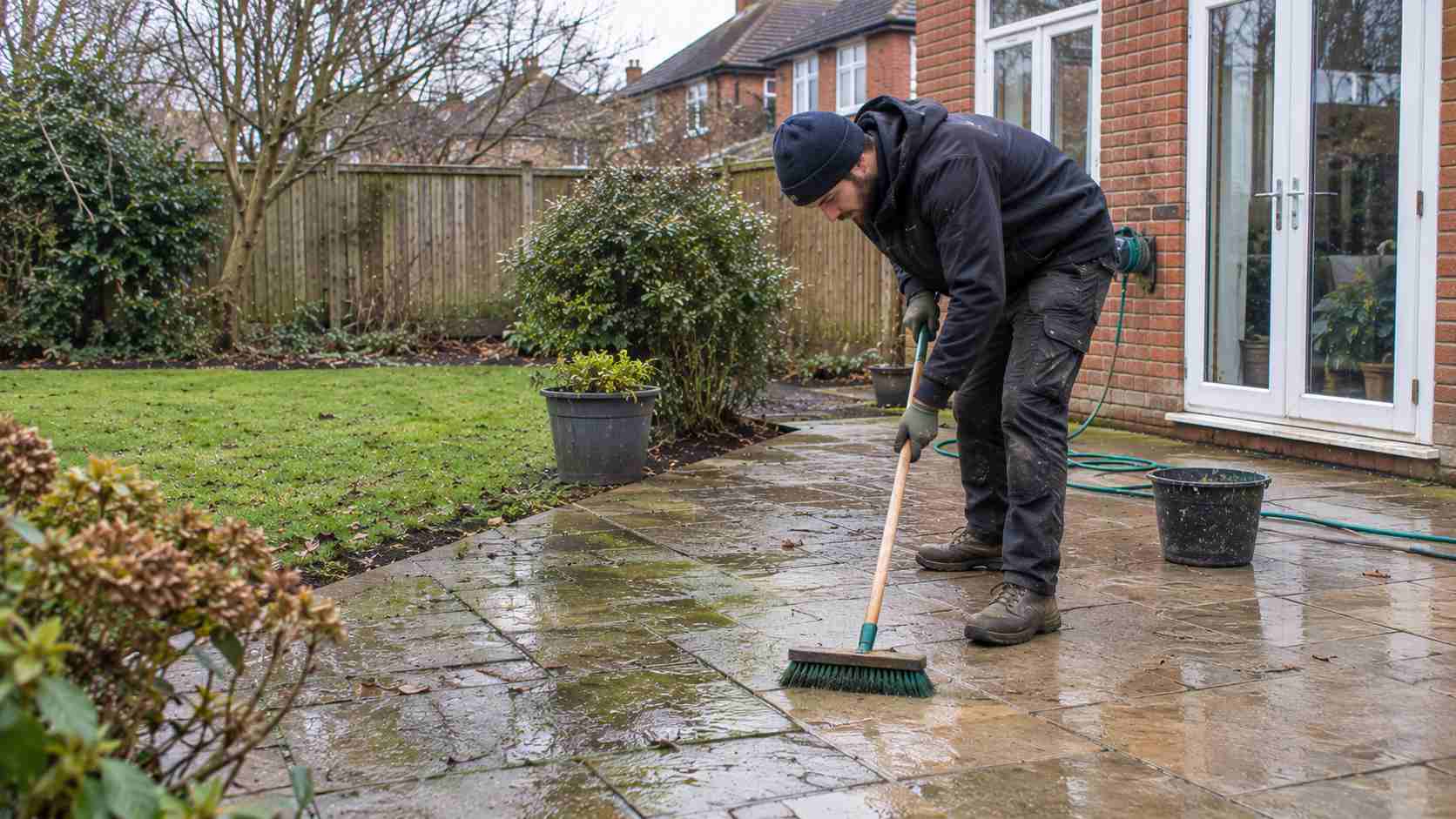
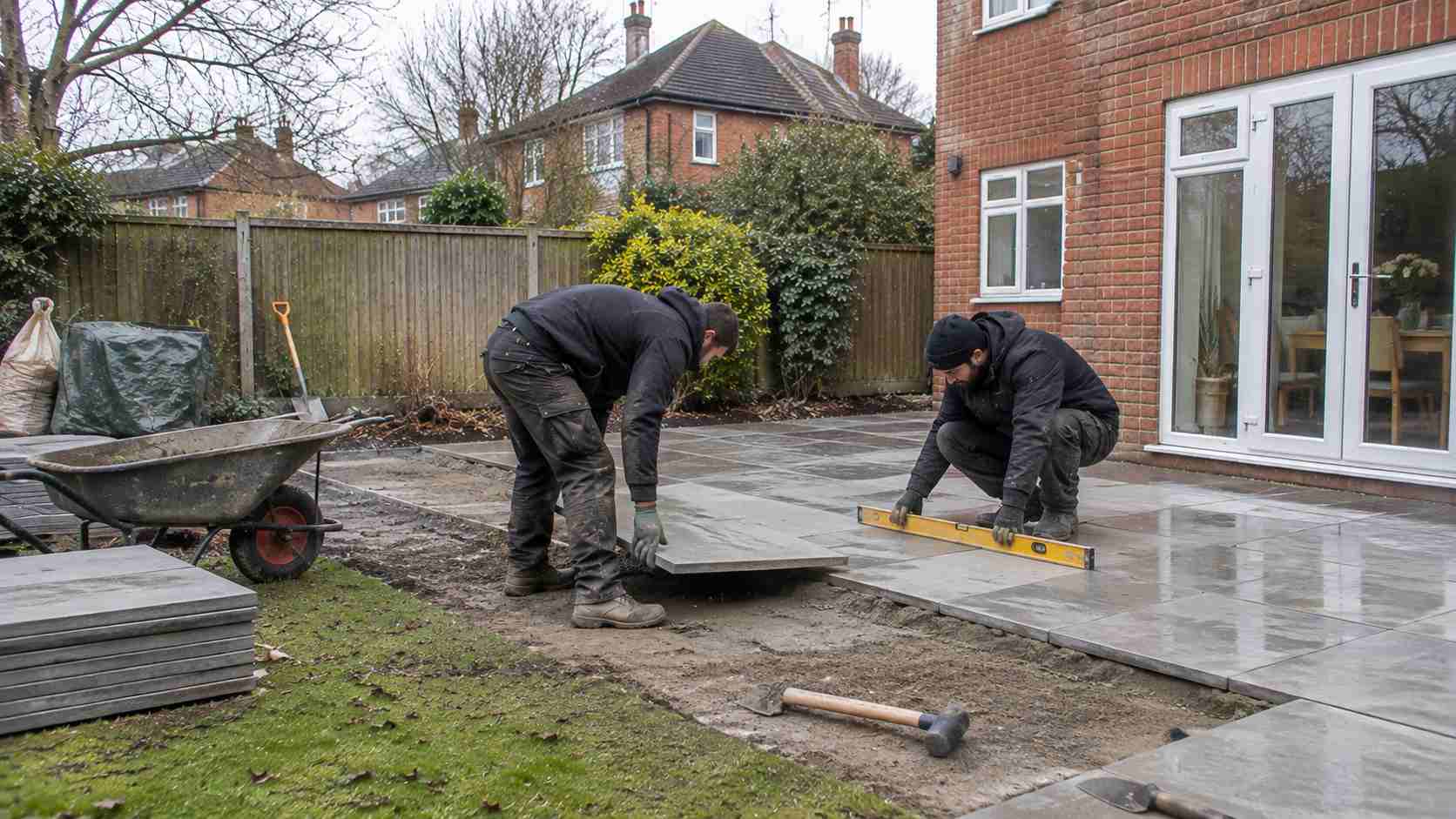
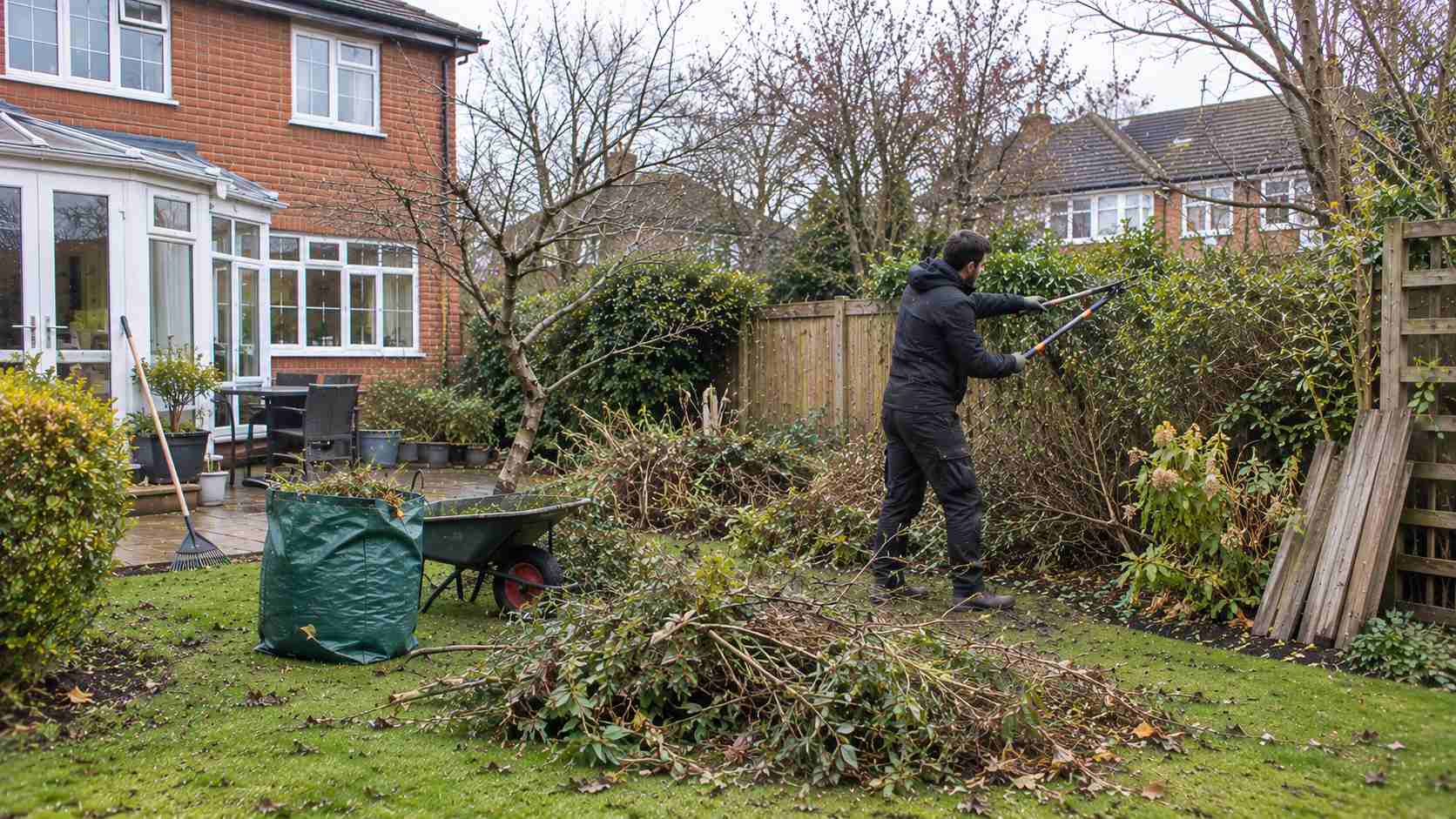
Starting in winter also means the heavier jobs, such as clearance, groundwork, fencing and structures, can begin in suitable weather, with weather-sensitive finishing and planting following in spring. Our guide to landscaping in winter explains which jobs suit the colder months and which are better left until later.
What happens before any work starts
- ›A conversation about what you want from the garden and how you'll use it.
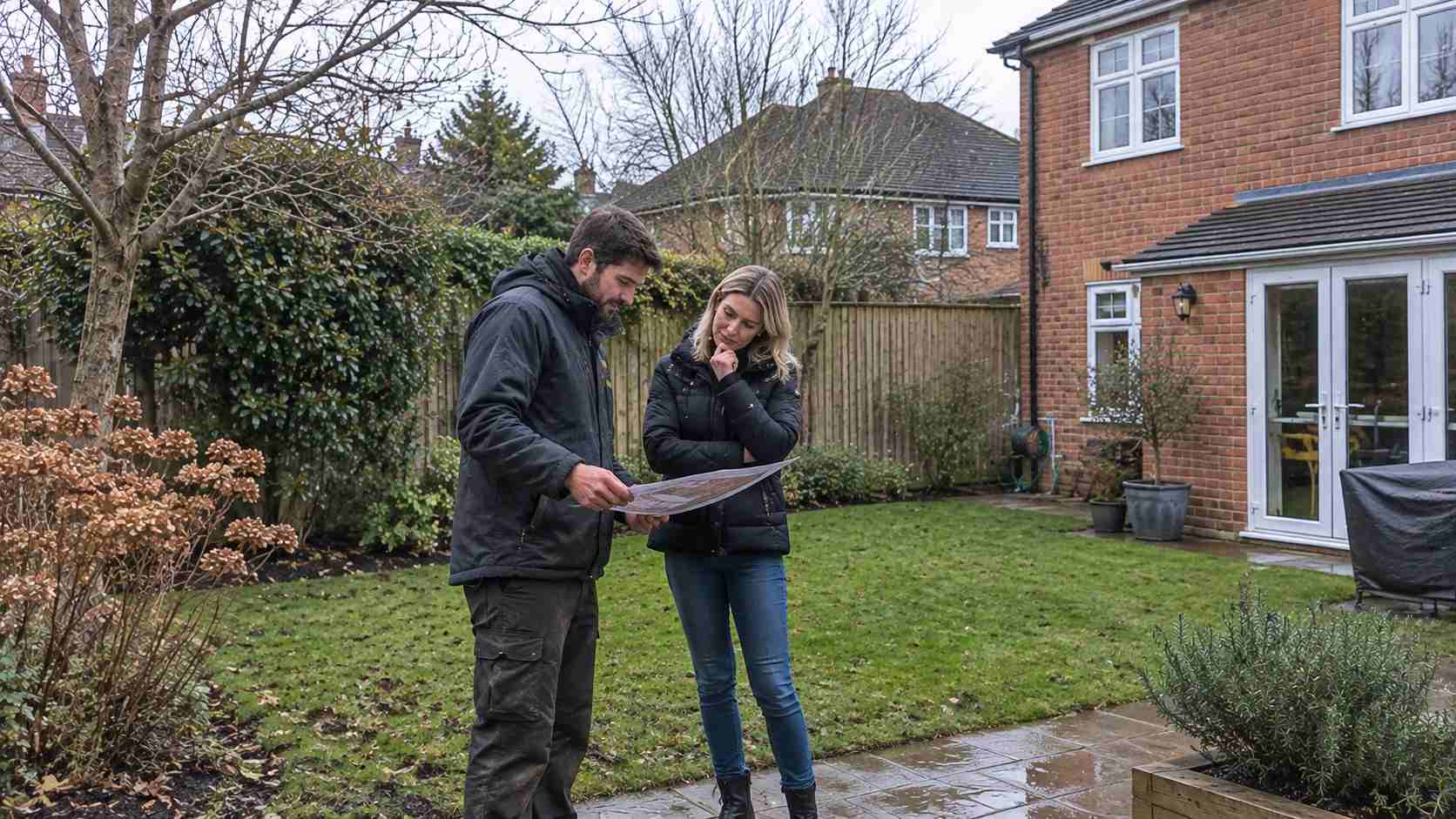
- ›A site visit to assess levels, ground, drainage, access, light and existing planting.
- ›A design, with layout, materials and planting agreed.
- ›A detailed written quote and programme.
- ›Checks on planning, building regulations and boundaries where relevant.
- ›Ordering of materials, which can involve lead times.
- ›A start date agreed, taking weather and sequencing into account.
Permissions and checks take time
Some projects need extra checks before anything is built. Whether a garden room, decking or new boundary is permitted development depends on size, height and your property, and our guides to permitted development rights for gardens and building regulations for garden rooms explain the general framework. If work involves deep excavation close to a neighbour's building, our guide to the Party Wall Act and garden work explains why notice periods may apply. Starting these checks early stops them delaying a spring start.
Materials and lead times
Some materials take weeks to arrive, particularly specific porcelain or stone ranges, bespoke joinery, glazing for garden rooms and larger plants. Ordering in winter means everything is ready when work begins. Our guides to how long a new patio takes to install and how long a garden room takes to build explain how lead times and stages affect the overall timeline.
Winter lets you see the real garden
With plants dormant, the bones of the garden are visible, including levels, boundaries, drainage problems, shade patterns and which structures need replacing. Winter also shows you how the garden behaves in wet weather, such as where water collects, which is exactly the information a designer needs. Our guide to improving garden drainage explains why this matters before you build.
Work backwards from the date you want it finished
If you'd like your garden ready for early summer, work backwards. Allow time for the build, for materials, for the design and quote, and for the enquiry and site visit at the start. Larger projects with groundwork, structures and planting need longer than a single patio, and building in some flexibility for weather is wise.
The earlier you start the conversation, the more options you have for timing and sequencing, and the less pressure there is to compromise on design or materials.
A simple winter planning timeline
- ›November: decide what you want, gather ideas, measure up and enquire.
- ›December: site visit and design, with options and materials discussed.
- ›January: finalise the design and quote, and start any permission checks.
- ›February: confirm the programme, order materials and plan the start date.
- ›March: groundwork and structures progress, with finishing and planting following as conditions allow.
- ›April onward: finishing touches, planting and aftercare.
How to prepare for a first conversation
- ›Write down how you want to use the garden, and what isn't working now.
- ›Take photos of the garden from different angles and note problem areas.
- ›Gather inspiration, such as images of materials, planting and styles you like.
- ›Think about your budget and what you want to prioritise.
- ›Note practical constraints, such as access, pets, children and neighbours.
Budgeting and phasing
A winter start also gives you time to think about budget. Our landscaping cost guide explains what drives the price of garden projects, and you can phase a project, doing groundwork-heavy elements first and adding planting and extras later, which can spread the cost without compromising the design.
Different priorities suit different gardens, and our guides to small garden design ideas, family-friendly garden design and low-maintenance garden design can help you decide what matters most. Our guide to whether landscaping adds value covers the wider benefits.
Choosing who to work with
Starting early gives you time to compare options properly rather than choosing in a hurry. Our guides to questions to ask before hiring a landscaper, choosing a landscaper in Surrey and how to find a reliable gardener explain what to check, including insurance, written quotes and previous work.
Planning your spring project with us
Our Garden Design & Landscaping service handles the whole process, from the first conversation and site visit through to design, build and planting, and our Patio & Paving, Decking, Fencing & Screens, Garden Rooms & Sheds and Hedges, Pruning & Planting teams deliver the individual elements. Our Lawn Installation & Turfing service can prepare ground ready for spring laying, and our Garden Maintenance plans look after the finished garden.
We work across south west London and Surrey, including Wandsworth, Surbiton, Weybridge and Bracknell. If you'd like your garden finished for spring, the best step is to get in touch now for a site visit and a plan, while there's still time to do it properly.
Frequently asked questions
Design, permissions, ordering and groundwork all take time, and starting in winter means the garden can be finished and ready for spring.