Paving · 9 min read
How Long Does a New Patio Take to Install?
By House of Horticulturists · 22 October 2026
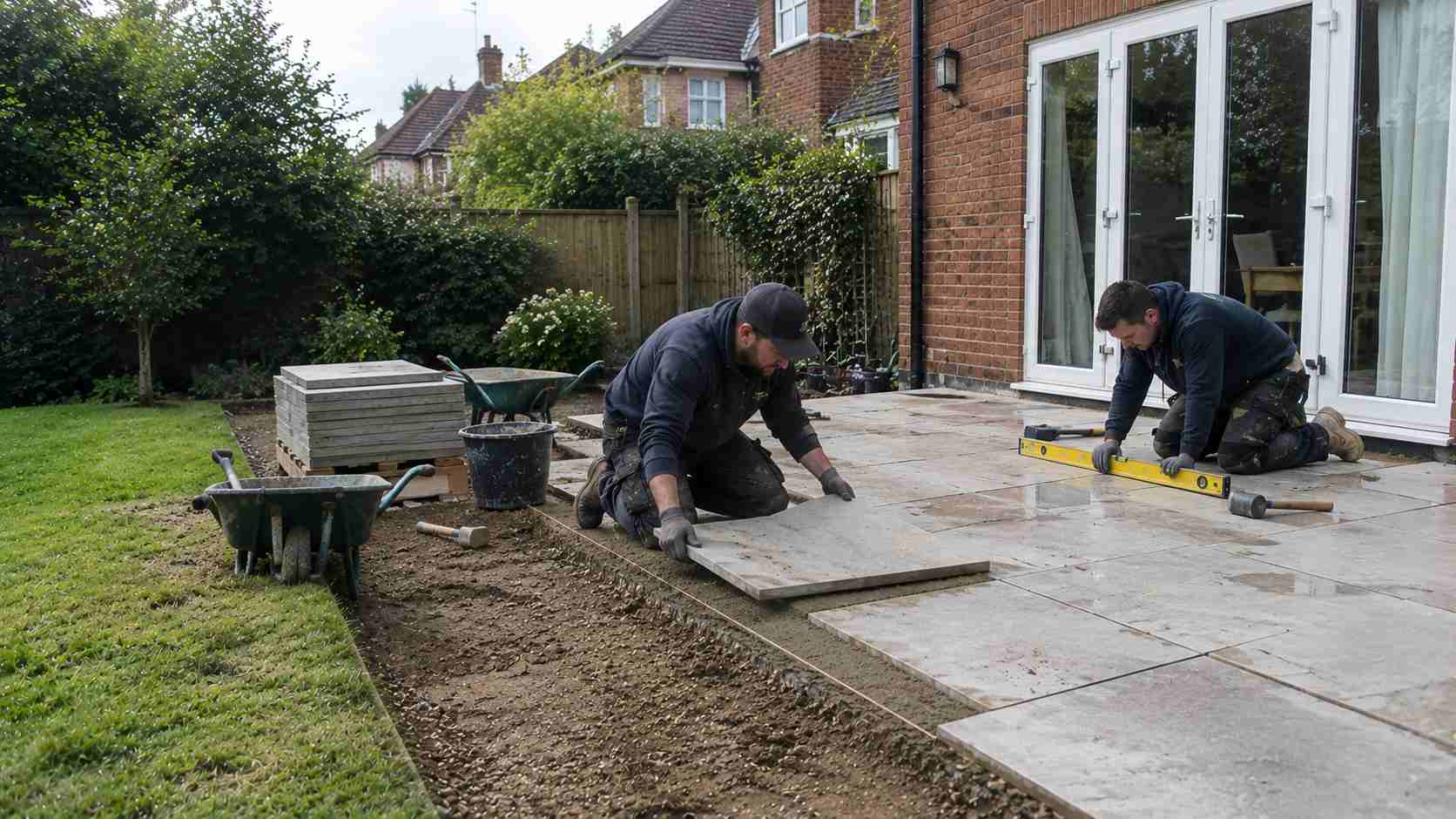
It's one of the first questions homeowners ask when planning a new patio, and the honest answer is that it depends. A small, straightforward patio on easy ground can often be completed in a few days, while a larger terrace with drainage work, level changes or demanding materials can take a week or more. What matters more than a single headline number is understanding what drives the timeline, so you can plan around it and judge whether a quoted programme is realistic. This guide explains each stage of a patio installation, what affects how long it takes, and how to keep the project on track.
A realistic overview of timescales
There's no single figure that fits every patio, but as a broad guide, a modest patio on level, accessible ground is often a matter of days, and larger or more complex projects can extend to a week or longer. Those are general indications only, since the real timeline depends on size, ground conditions, the material, access and the weather. A reliable contractor should give you a programme specific to your garden after a site visit, not a generic estimate.
It's also worth separating the time on site from the time before and after. Design, quoting, material lead times and curing periods all sit either side of the build itself, and they can add noticeably to the overall timeline from decision to first use.
The stages of a patio installation
- ›Site visit, design and quote, including agreeing size, layout, levels and materials.
- ›Ordering materials, which may involve lead times, particularly for porcelain, natural stone or specific colours.
- ›Clearing the site and removing any old patio, planting or structures in the way.
- ›Excavation to the required depth, setting levels and falls so water drains away from the house.
- ›Laying and compacting the sub-base, which gives the patio its strength and stability.
- ›Laying the bedding layer and the paving itself, with careful cutting and alignment.
- ›Pointing or grouting the joints, and allowing time for them to cure.
- ›Final clean, reinstating edges, lawn or borders, and a handover with aftercare guidance.
What affects how long it takes
Several factors shape the programme. Size is the obvious one, but groundwork often matters more than surface area. A patio that needs deeper excavation, extensive drainage work, retaining walls or multiple levels will take longer than a simple flat surface of the same size. Ground conditions play a part too, since heavy clay can slow excavation and may need more careful drainage, a point covered in our guide to improving garden drainage.
Access is another major factor. If materials and spoil can be moved directly by vehicle, work flows quickly, but if everything has to be carried through the house or along a narrow passage, it takes longer. This is common in compact urban gardens, and a good contractor will assess it before quoting.
Material choice and laying time
Different materials take different amounts of time to lay well. Porcelain is dense and hard, so it needs careful cutting and precise laying, which can slow progress compared with simpler concrete paving. Natural stone varies in thickness and shape, so slabs often need more fitting and layout planning, and larger-format slabs require more care and equipment to handle safely.
Our comparison of porcelain vs natural stone paving explains the practical differences, and the choice affects not just appearance and upkeep but the time and skill involved in installation.
Weather and curing
British weather is a real factor. Heavy rain can halt groundwork and bedding, while frost can prevent mortar and concrete from curing properly. Good contractors build a little flexibility into the programme and choose their moment carefully, which is one reason spring through autumn is the busiest period. Autumn can be a particularly good time for groundwork, when the ground is workable, as we explain in our guide to why autumn is the best time to plant and related seasonal work.
Curing time also matters after the paving is laid. Mortar, jointing compounds and bedding need time to set before the patio takes full use, so ask your installer when it's safe to walk on and put furniture on the surface.
Planning permission, drainage and other checks
Most patios behind the house are straightforward, but raised patios and surfacing near boundaries can need extra checks, and front garden hard surfaces are subject to drainage rules. Our guide to permitted development rights for gardens explains the general position, and if work involves deep excavation close to a neighbour's building, it's worth reading our guide to the Party Wall Act and garden work. Sorting these points out before the build avoids delays.
Things that add time, and how to avoid delays
- ›Unexpected ground issues such as old foundations, buried debris or tree roots uncovered during excavation.
- ›Changes to the design after work has started, which affect materials and levels.
- ›Delayed or backordered materials, so confirm lead times before agreeing a start date.
- ›Poor access or restricted working hours.
- ›Wet weather, particularly on heavy ground.
- ›Services such as drains or cables that need working around.
Planning ahead for lighting, planting and the rest of the garden
A patio rarely stands alone. If you want lighting, outdoor sockets or heating, cabling should go in before the paving, and our garden lighting guide explains why it's cheaper and neater to plan it in at the start. Planting and lawn reinstatement happen around the patio, and for small spaces our guide to small garden design ideas helps you get the layout right.
If the patio is part of a wider project, it's worth phasing the work so groundwork is done first and planting last, which keeps the build efficient and protects new planting.
Cost and quotes
Timeline and cost are closely linked, since more complex groundwork takes longer and costs more. Our landscaping cost guide explains what drives the price of a project, and our guide to questions to ask before hiring a landscaper will help you compare quotes and programmes fairly. Be wary of unusually fast promises for substantial work, since rushed groundwork is a common cause of patios that settle or hold water.
Getting a realistic programme for your patio
The most reliable way to know how long your patio will take is a site visit and a written programme. Our Patio & Paving service provides both, building patios on properly excavated, compacted sub-bases with drainage designed in, and our Garden Design & Landscaping service can plan the wider garden around it. If you have an old patio to remove or a tired one to clean first, our Pressure Washing & Waste service can help, and our Lawn Installation & Turfing service can reinstate the surrounding lawn afterward. Afterward, a Garden Maintenance plan keeps the whole space looking its best.
We install patios across south west London and Surrey, from compact courtyards in Fulham to larger plots around Cobham and Wallington. Heavier ground and awkward access can add time, which is exactly what we assess on the first visit.
Frequently asked questions
A small patio on easy ground can take a few days, while larger or more complex projects can take a week or longer. A site visit is the best way to get a realistic programme for your garden.