Garden Design · 10 min read
How to Create a Low-Maintenance Garden That Still Looks Great
By House of Horticulturists · 30 September 2026
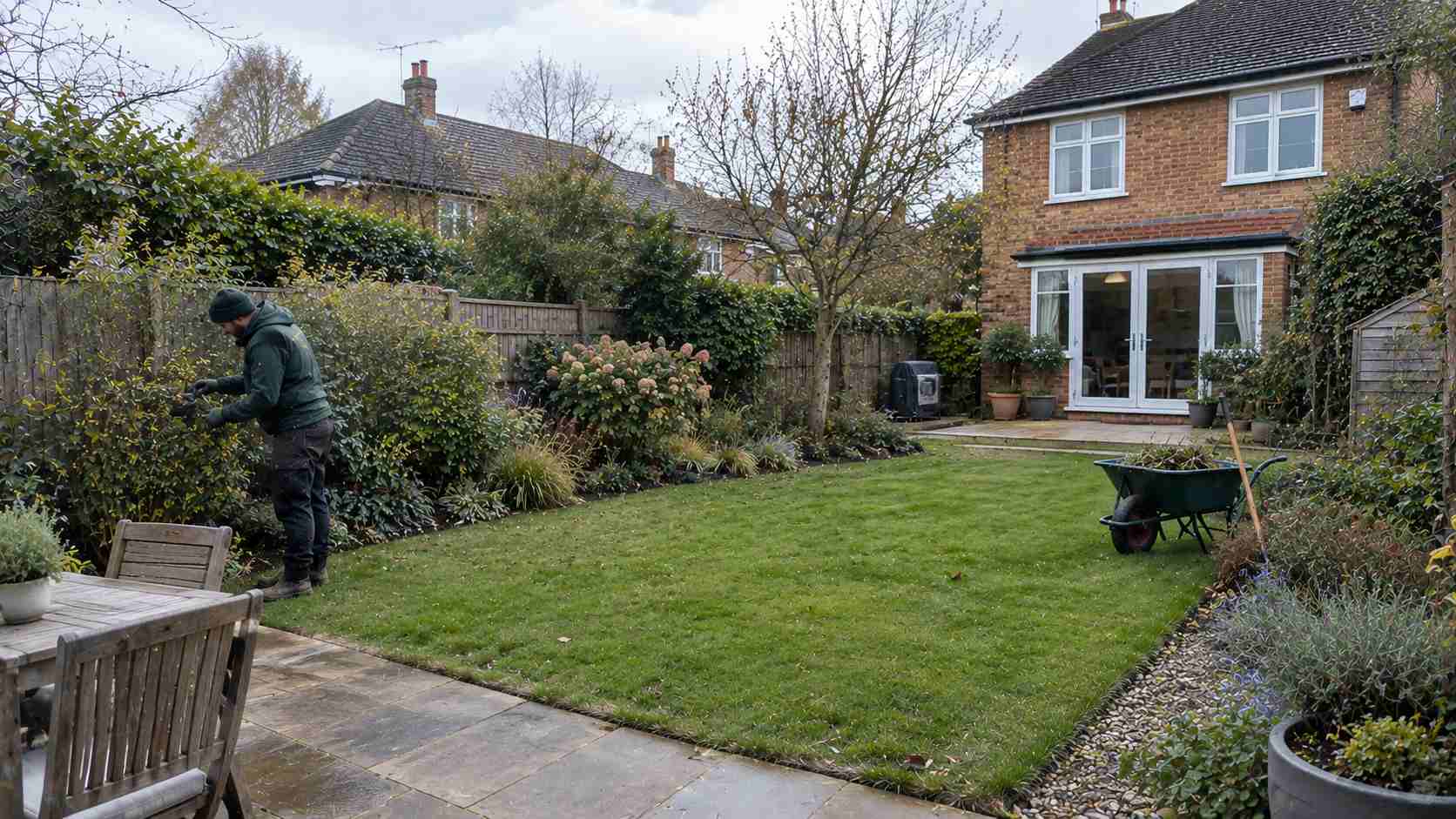
Most people want a garden that looks good without demanding every weekend of their spare time, and it's an entirely reasonable ambition, not a compromise. A genuinely low-maintenance garden isn't one stripped of personality or planting, it's one where every design decision, materials, layout, plant choice, has been made with upkeep in mind from the start. Get that right and the result can look every bit as impressive as a high-maintenance garden, just without the constant weekend commitment.
Low-maintenance doesn't mean low-interest
It's worth dismissing the idea early that low maintenance means gravel and a couple of shrubs. A well-planned low-maintenance garden can have structure, colour, seasonal change and genuine character, the difference lies in choosing plants and materials that deliver that without constant intervention, rather than avoiding planting altogether.
The real skill in low-maintenance design is front-loading the effort, getting the layout, soil preparation and plant choices right at the outset, so the garden looks after itself rather than needing rescuing every few weeks. A garden designed this way from the start needs far less work than one retrofitted for lower maintenance later.
Choosing hard landscaping that reduces ongoing work
Material choice makes a genuine difference to long-term effort. Porcelain paving needs very little upkeep compared with natural stone, resisting staining and algae with just an occasional clean, as covered in our comparison of porcelain vs natural stone paving. Composite decking similarly avoids the annual treatment timber needs, detailed in our guide to composite vs timber decking.
For driveways and larger hard surfaces, resin-bound and block paving both need less ongoing attention than gravel, which requires periodic topping up and raking, something we cover in our driveway surface comparison. None of these are the only right choice, but knowing the maintenance trade-off of each material lets you make an informed decision rather than discovering it later.
Reducing or removing lawn
Lawn is one of the highest-maintenance elements in most gardens, needing regular mowing, edging, feeding and seasonal renovation to stay looking good. Reducing lawn area, or replacing it with hard landscaping, gravel or dense ground cover planting in parts of the garden, is one of the single biggest levers available for cutting overall maintenance.
Where some lawn is still wanted, keeping the shape simple, straight edges and gentle curves rather than intricate borders, makes mowing considerably faster and easier. A smaller, well-shaped lawn that's quick to maintain is usually a better outcome than a larger, awkwardly shaped one that becomes a chore.
Planting choices that ask less of you
- ›Choose perennials and shrubs over annual bedding, which needs replanting every year rather than establishing once and returning reliably.
- ›Prioritise evergreen structure, giving year-round presence without needing seasonal replacement or heavy pruning.
- ›Pick plants suited to your actual soil and light conditions, rather than fighting unsuitable ground with constant intervention.
- ›Use ground cover planting to suppress weeds naturally, reducing weeding considerably compared with bare soil between plants.
- ›Group plants with similar water needs together, making irrigation more efficient and reducing the risk of over or under-watering individual plants.
Mulching: one job that saves many others
A generous layer of mulch, bark chip, gravel or compost depending on the look you want, does more for reducing maintenance than almost any other single measure. It suppresses weed germination, retains soil moisture so plants need less watering, and gradually improves soil structure as organic mulches break down, all from one job done once or twice a year rather than constant, ongoing effort.
Applied properly in spring and topped up in autumn, mulch pays for itself many times over in reduced weeding and watering through the growing season, making it one of the best-value low-maintenance investments available for any border.
Irrigation and watering systems
Automated drip irrigation or a simple soaker hose on a timer removes one of the most time-consuming and easily forgotten jobs in a garden, watering, particularly valuable for anyone who travels regularly or simply doesn't want daily watering as part of their routine. Positioned properly and combined with mulch, an irrigation system can keep borders and containers healthy with minimal ongoing attention.
This is particularly worth considering for containers and hanging baskets, which dry out faster than ground-planted beds and are one of the most common casualties of a busy week without watering.
Designing out unnecessary complexity
- ›Avoid intricate topiary or formal hedging that needs frequent, precise trimming to look right.
- ›Choose fewer, larger plant groupings rather than many individual specimens needing separate care.
- ›Keep borders a manageable width, an overly deep border is harder to reach and weed than a well-proportioned one.
- ›Minimise features with high ongoing upkeep, elaborate water features or extensive annual bedding schemes in particular.
- ›Design access into the garden properly, so every area is easy to reach for the occasional maintenance it does need.
Winter interest without winter work
A common misconception is that winter interest planting, discussed in our guide to winter interest in the garden, adds maintenance. In practice, many of the best winter performers, evergreen structure, ornamental grasses left standing, hardy shrubs with berries or bark colour, need very little attention and simply do their job quietly through the colder months without intervention.
This is actually one of the more efficient ways to add year-round value to a low-maintenance garden, structural planting that looks good in January generally needs less seasonal care than a garden relying entirely on summer bedding for its impact.
What still needs some ongoing care
No garden is entirely maintenance-free, even a well-designed low-maintenance scheme benefits from occasional attention, an annual hedge trim, a seasonal tidy, checking irrigation and mulch levels, and general upkeep to stop small issues becoming bigger ones. The goal of low-maintenance design isn't zero effort, it's minimal, manageable effort rather than a constant weekend commitment.
Our guide to how often a garden actually needs maintaining is worth reading alongside this, since even a genuinely low-maintenance garden benefits from a light, occasional schedule rather than being left entirely unattended.
Designing a low-maintenance garden that suits your plot
The right low-maintenance approach depends on your specific garden, its soil, aspect, size and how you actually want to use it, which is why a proper design consultation beats a generic checklist. This matters particularly in areas like Walton-on-Thames, where ground shifts from chalky and free-draining near the Downs to heavier clay in the valley, since plant and material choices that reduce maintenance on one type of soil can increase it on another.
Our Garden Design & Landscaping service plans low-maintenance schemes properly from the outset, choosing the right Patio & Paving or Decking materials and planting suited to your specific soil and light conditions. And for the light, occasional care every garden still benefits from, our Garden Maintenance plans can keep a low-maintenance garden looking its best with minimal, well-timed visits, useful for gardens across Wallington and everywhere else we work.
Frequently asked questions
Yes, low maintenance doesn't mean sparse or boring. Structural evergreen planting, well-chosen perennials, quality hard landscaping and a considered layout can look genuinely impressive while needing very little ongoing effort, the key is planning for low maintenance from the design stage rather than as an afterthought.