Garden Maintenance · 10 min read
Garden Clearance in Winter: Green Waste, Old Structures and Overgrown Borders
By House of Horticulturists · 3 November 2026
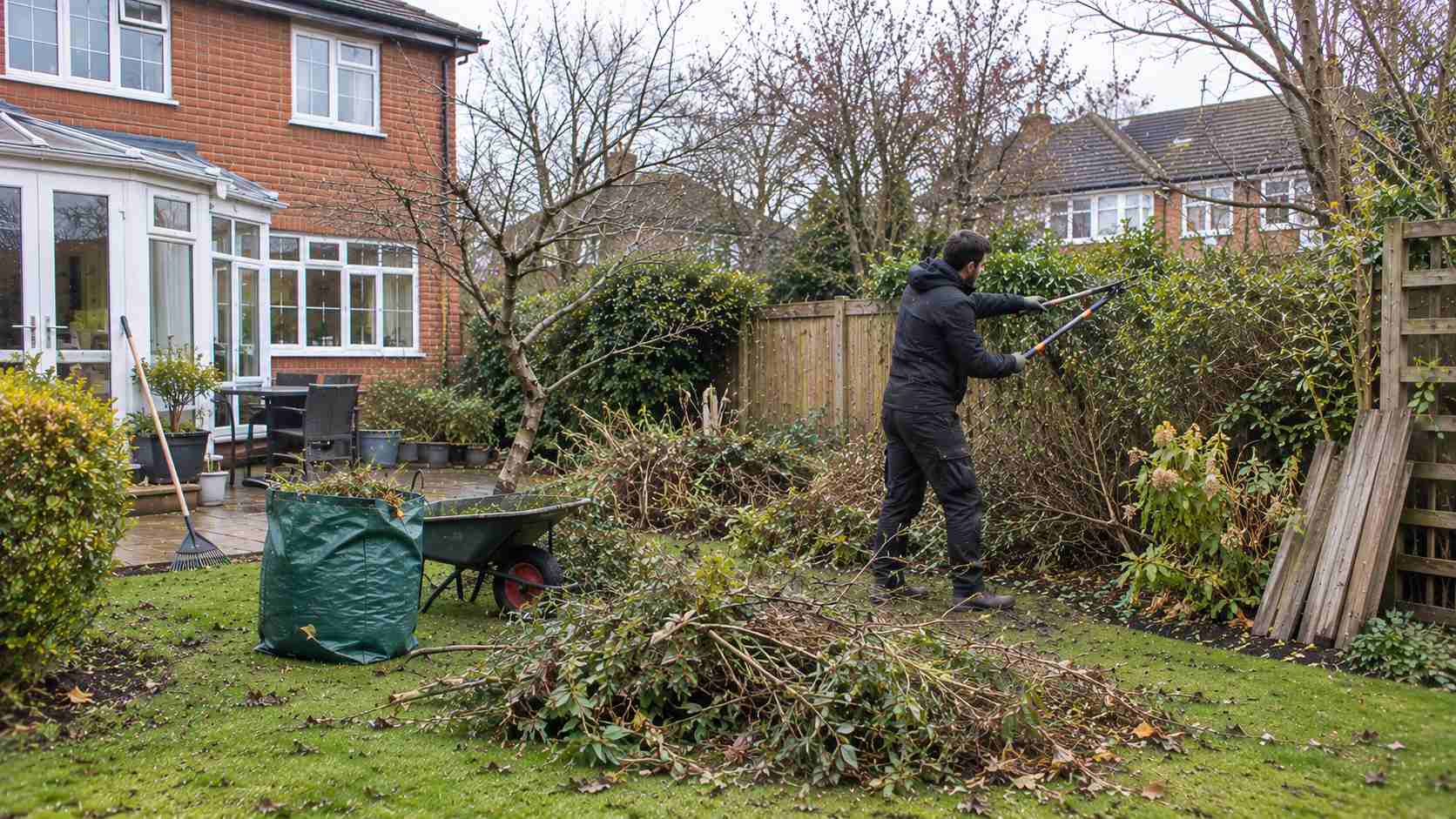
If your garden has got away from you, with overgrown borders, brambles, old fencing, a tired shed or heaps of green waste, winter is a surprisingly good time to deal with it. Plants are dormant, you can see the real shape of the garden, and there's no rush to get things planted. It's also when the quieter schedules of many contractors make booking easier. But clearing a garden is more than cutting things back. There's waste to dispose of properly, wildlife to protect, hazardous materials to watch for, and a plan needed for what the cleared space will become. This guide covers how to approach garden clearance in winter, what to do with green waste, old structures and overgrown borders, and how to stay safe and legal.
Why winter is a good time to clear a garden
Without leaves and growth, you can see exactly what's there, including the paths, boundaries, levels and the shape of existing planting. Dormant plants tolerate cutting back and moving well, and clearing before spring means the garden is ready for new planting, turfing or landscaping when growth restarts.
There's also a practical benefit. Winter is a quieter season for gardening businesses, so it's often easier to arrange clearance and groundwork, and it fits neatly alongside other seasonal jobs from our autumn checklist for preparing your garden for winter.
Start by assessing what needs clearing
- ›Overgrown borders, brambles, ivy, self-seeded trees and weeds.
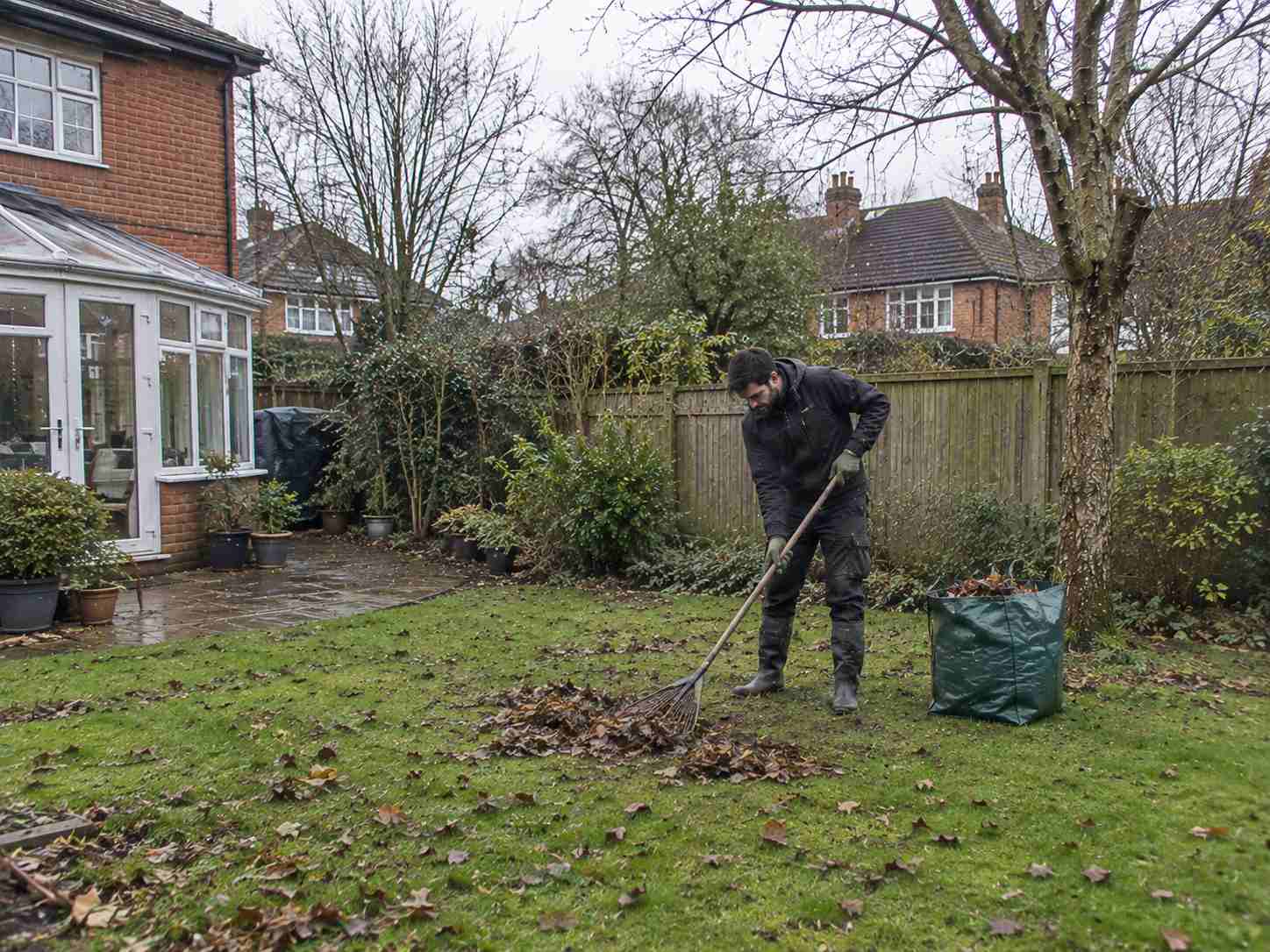
- ›Green waste such as branches, hedge trimmings, leaves and old compost.
- ›Old structures such as sheds, fencing, pergolas, decking and tired paving.
- ›Rubbish, builders' waste and bulky items left behind over the years.
- ›Anything that might be hazardous, such as old chemicals, gas bottles or suspect roofing sheets.
Check for wildlife first
Garden clearance can disturb animals that use dense vegetation, leaf piles, compost heaps and sheds for shelter. Hedgehogs in particular hibernate through winter in piles of leaves, logs and bonfire heaps, so check carefully before moving, cutting or burning anything. Look for birds' nests, bats and other wildlife, and stop work and seek advice if you find a bat roost.
Where possible, keep some habitat, such as a log pile or a tidy quiet corner, and our guide to making your garden more wildlife-friendly explains how clearance and wildlife can go together.
Clearing overgrown borders, brambles and ivy
Work in stages. Start by cutting back the worst of the overgrowth so you can see and reach the rest, then remove brambles and weeds by the root where you can, since cutting them back alone just invites regrowth. Decide what's worth keeping, and lift and divide perennials that are crowded. Dormant winter is also an ideal time to move shrubs.
Ivy on walls and fences can damage structures, but it also supports wildlife, so remove it selectively. If a garden has been neglected for years, our guides to the signs a garden has been neglected and reclaiming an overgrown garden explain a sensible order of recovery.
Trees, hedges and larger woody growth
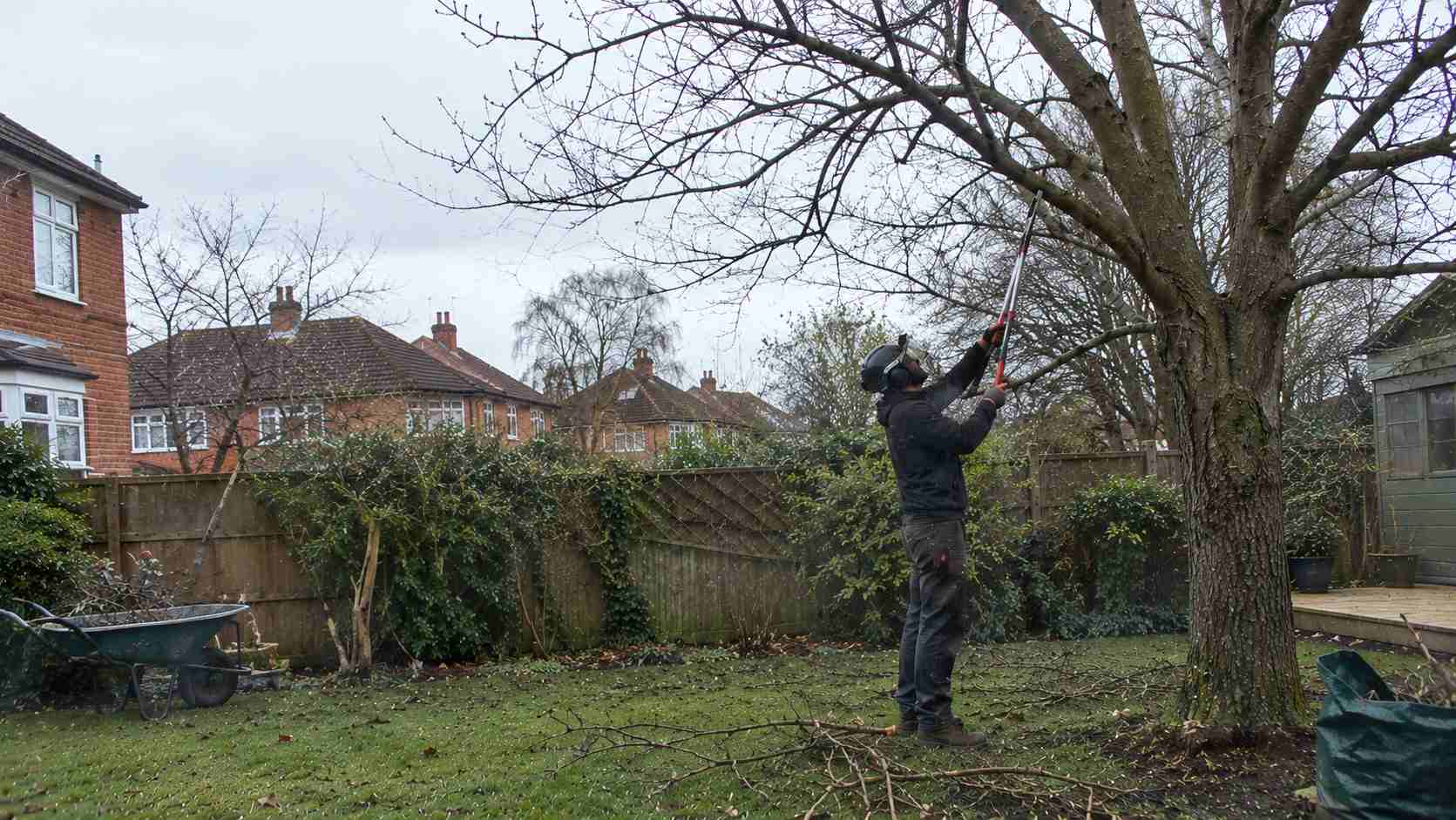
Before cutting any tree or large shrub, check whether it's protected by a Tree Preservation Order or stands in a conservation area, since consent or notice may be needed. Our guide to winter tree pruning in London explains the general rules and which jobs are suitable for DIY. Large trees, work at height and chainsaw work are best left to qualified professionals, and our Hedges, Pruning & Planting service can restore overgrown hedges and shrubs.
Dealing with green waste
Green waste can often be reduced and recycled. Small amounts can be composted, as explained in our beginner's guide to composting, though woody material should be chipped or shredded first. Many councils offer green waste collections or garden waste bins, and household waste recycling centres accept garden waste, though rules and availability vary by borough.
Leaves can be made into leaf mould, covered in our guide to leaf clearance. For larger volumes, a professional clearance service can remove it all in one visit, and our Pressure Washing & Waste service handles green waste and rubbish removal.
Bonfires: think twice
Burning garden waste is often discouraged. Smoke can affect neighbours, there are rules about nuisance and smoke control areas, and bonfire heaps are a serious risk to hibernating wildlife. Check local rules before burning anything, and consider composting, shredding or taking waste to a recycling centre instead.
Removing old structures
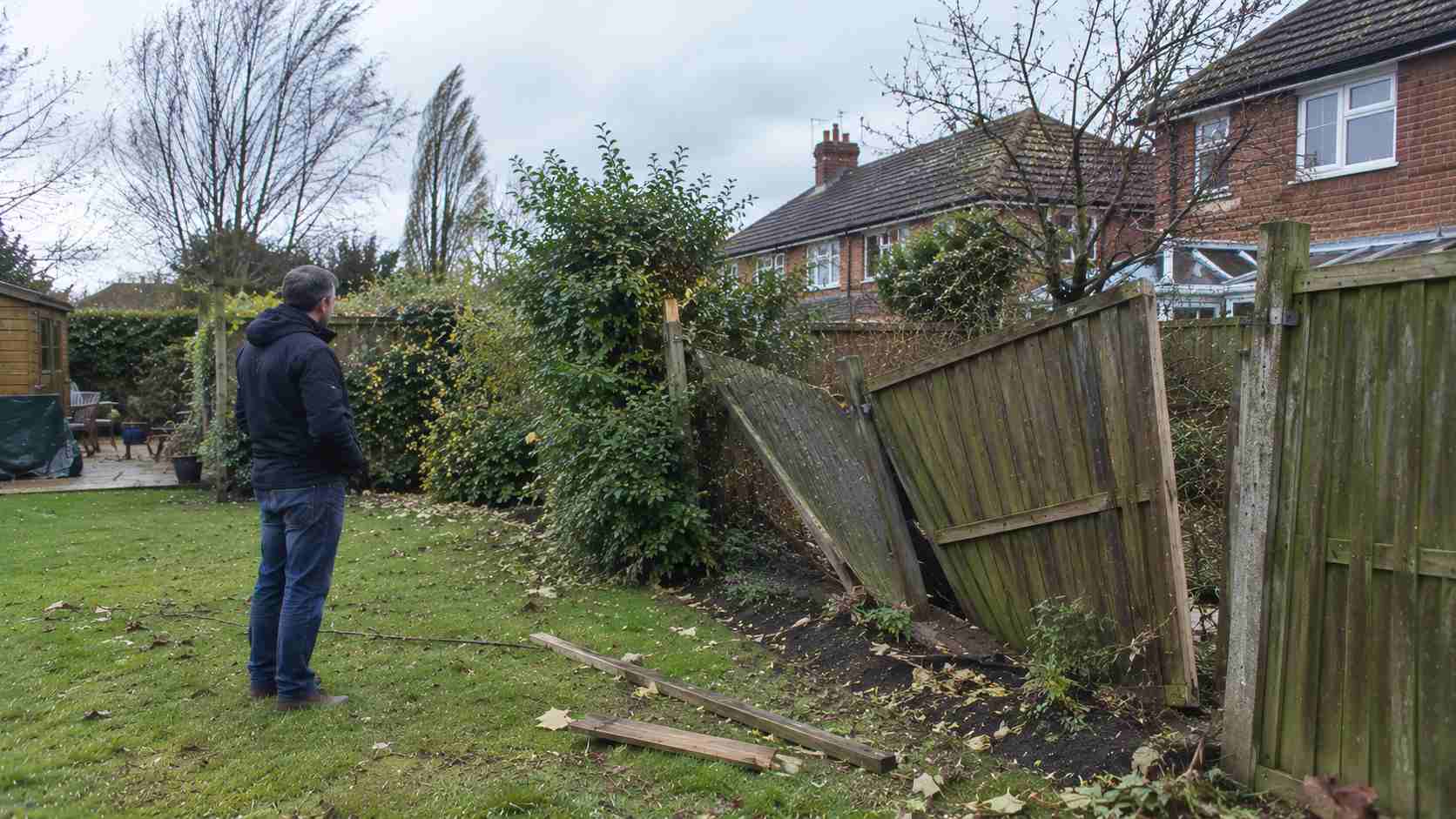
Old sheds, fences, decking and paving can often be removed and replaced during winter. Take care with older buildings, since some roofs and cladding made of fibre-cement sheeting may contain asbestos, which shouldn't be broken, drilled or scrubbed, so seek specialist advice before touching it. Dismantle structures methodically, wear suitable protection and be careful with nails, glass and unstable timber.
If a structure has been damaged, our guide to storm-damaged fences and garden structures explains what to do. For replacements, our Fencing & Screens, Garden Rooms & Sheds and Patio & Paving services can remove and rebuild.
Rubbish, bulky waste and hazardous items
- ›Use your council's bulky waste collection or recycling centre for larger items.
- ›Take care with old chemicals, paint, gas bottles and batteries, which need specialist disposal.
- ›Do not dispose of suspected asbestos yourself, and get specialist advice.
- ›Be cautious with any plant you suspect to be an invasive species, such as Japanese knotweed, since it's controlled waste and cutting or spreading it can cause problems, so seek specialist advice.
- ›Keep records or receipts for any waste removal.
Using a clearance contractor legally
If you hire someone to remove waste, you have a duty of care to make sure it's disposed of properly, and you could be held responsible if it's fly-tipped. In England, businesses carrying waste generally need to be registered, so ask to see proof, check the carrier against the public register and keep a record. Be wary of unsolicited offers and very cheap quotes with no paperwork. Our guides to how to find a reliable gardener and questions to ask before hiring a landscaper cover what to check.
Plan what comes next
Clearance is only the first step, and a cleared garden needs a plan. This might be a new lawn, borders, a patio or a full redesign, and our Garden Design & Landscaping service can turn a blank space into a finished garden. Our Lawn Installation & Turfing service can prepare ground for a new lawn, and our Garden Maintenance plans stop the garden slipping again. For budgets, see our landscaping cost guide.
Clearance across London and Surrey
Clearance needs vary by setting. Compact urban gardens in areas such as Lambeth, Southwark and Wandsworth often involve restricted access, so waste has to be carried out through the house, while larger plots in places like Esher may involve substantial green waste and mature planting. Wherever you are, an initial site visit will help plan the work and the disposal.
Frequently asked questions
Yes. Plants are dormant, the structure of the garden is visible and there's no rush to plant, so winter is a good time to clear and prepare for spring.