Garden Rooms & Sheds · 9 min read
How Long Does a Garden Room Take to Build?
By House of Horticulturists · 26 October 2026
If you're planning a garden office, studio or gym, one of your first questions is likely to be how long it will all take. The answer has two parts. The build on site can be surprisingly quick for a well-planned project, but the journey from first conversation to finished room includes design, checks, ordering and finishing, which together can take considerably longer. This guide breaks down the timeline stage by stage, explains what makes a project quicker or slower, and shows how to plan so the room is ready when you need it.
Two timelines: the build and the whole project
It helps to separate the time on site from the overall project. On-site work, the base, frame, weatherproofing, electrics and internal finishing, may take days for a simple room and several weeks for a larger, fully fitted one. The overall project also includes the design stage, any planning or regulation checks, and the lead time for manufacturing or ordering the building and its components.
Those early stages are often where timelines stretch, which is why it's wise to start planning well before you need the room. Starting in autumn or winter can mean the room is ready for spring, and our guide to garden room installation in Surrey explains the wider process.
The stages and where the time goes
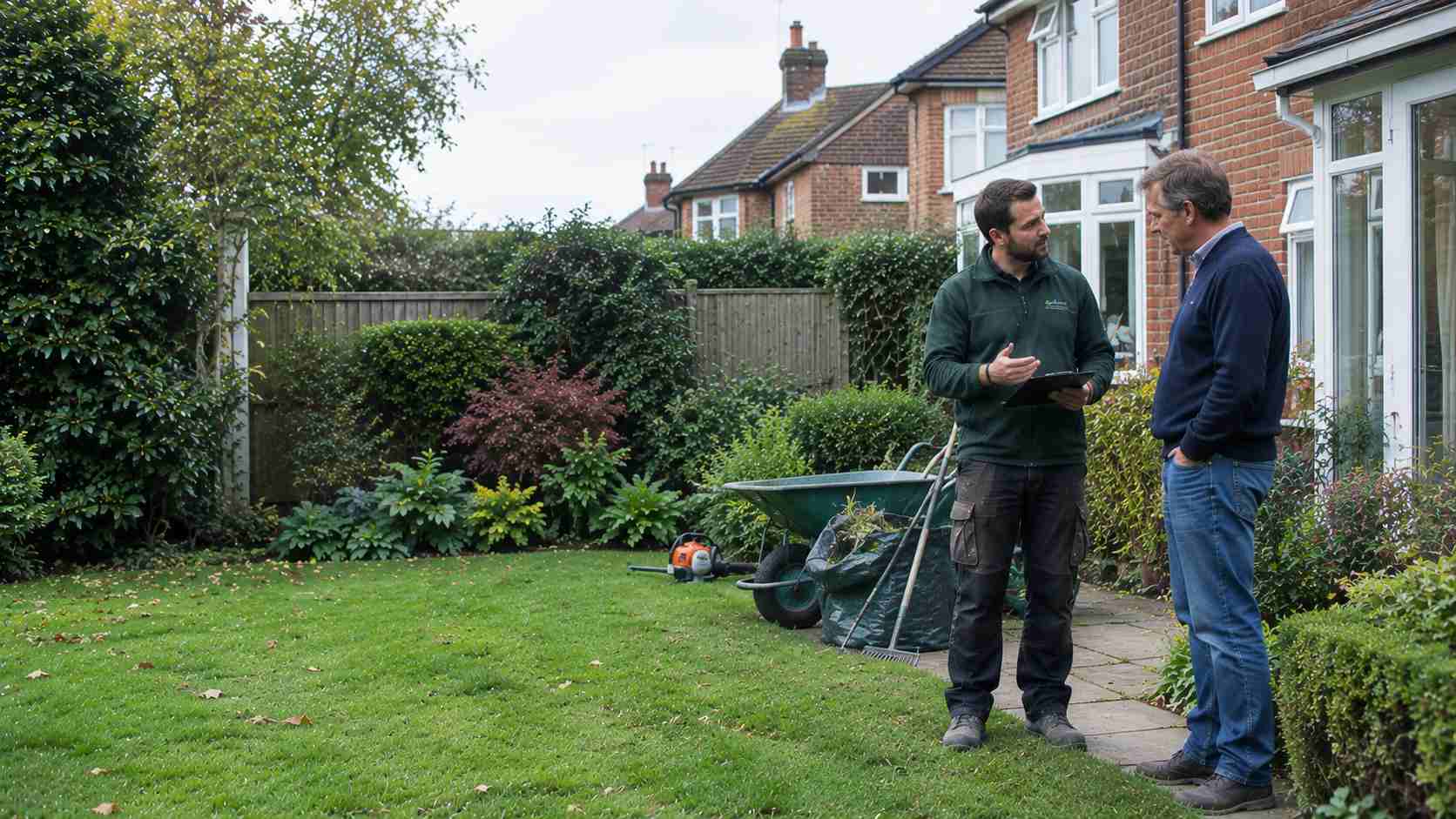
- ›Initial consultation and site visit, to assess ground, access, levels, trees and how you'll use the room.
- ›Design and specification, including size, layout, glazing, insulation and electrics, with changes at this stage costing far less time than later.
- ›Planning and regulation checks, where relevant, covered in our guides to permitted development rights for gardens and building regulations for garden rooms.
- ›Ordering and manufacture, which depends on whether the room is modular, prefabricated or fully bespoke, and on glazing and cladding lead times.
- ›Groundworks and base, which can take from a day or two to longer, depending on the type of base and ground conditions.
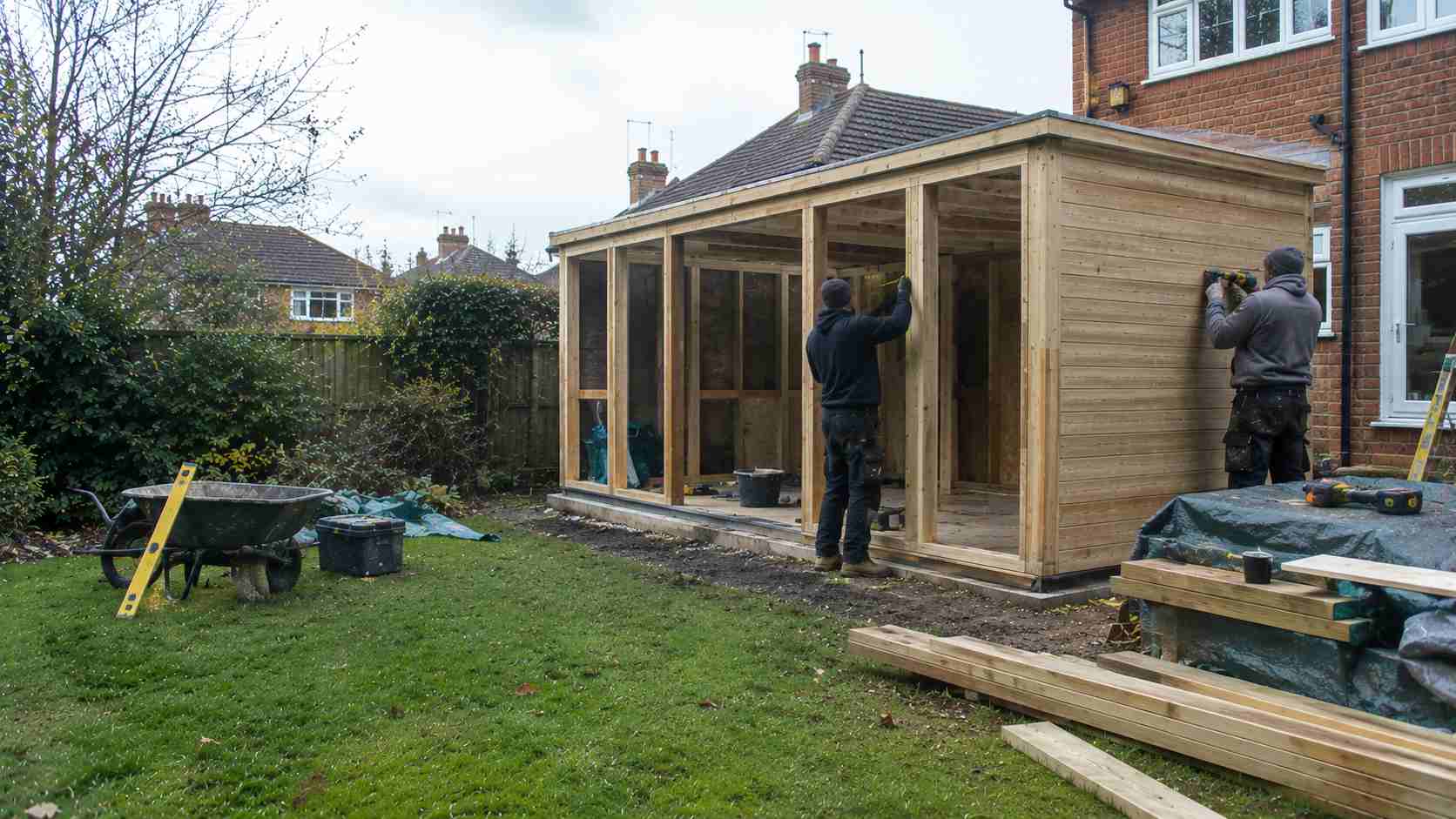
- ›Erecting the frame, roof and cladding, and getting the building weathertight.
- ›Electrical work, insulation and internal finishing, which take time to do properly.
- ›Final checks, certification where required, snagging and handover.
What affects the timeline
Size and specification are the obvious drivers. A compact, simply finished room is quicker than a large, fully insulated and fitted one, and bespoke designs take longer than standard modular ones. Interior finishing often takes more time than people expect, because electrics, insulation, plastering or lining, flooring and decoration happen in sequence.
Ground and access matter just as much. Heavy clay or difficult ground can slow groundworks, and a garden that can't be reached by vehicle may need materials carried through the house, which slows everything. Our guide to improving garden drainage explains why ground conditions affect the base, and a good installer will assess both on the first visit.
Base and groundworks
The base is the foundation of everything and shouldn't be rushed. Options such as ground screws can be quick to install, while concrete slabs need time to cure before the building goes on. Excavation, drainage and levelling add time on uneven or sloping plots, and our guide to landscaping a sloping garden explains how levels complicate the work.
A properly built base is what keeps a garden room stable and dry for years, so it's worth allowing for it in the programme rather than looking for shortcuts.
Planning, regulations and neighbours
Checks sometimes happen alongside design, but they can still affect timing if a design needs adjusting or if formal approval is required. If foundations or excavation are near a neighbouring building, our guide to the Party Wall Act and garden work explains why notice periods may apply. Electrical work should be carried out and certified by a qualified electrician, which also needs to be scheduled into the build. Checking everything early prevents mid-project delays.
Weather and seasons
Weather can interrupt groundworks, concrete curing and external work, so winter builds sometimes need extra flexibility. Once the building is weathertight, internal work can continue regardless of conditions, which is why many installers prioritise getting the shell closed in quickly. Autumn orders often work well, with the room ready for the following spring, while the summer rush can lengthen lead times.
Things that add time, and how to avoid delays
- ›Changing the design or specification after ordering.
- ›Unexpected ground conditions, tree roots or buried services.
- ›Delays to bespoke glazing, cladding or other components.
- ›Restricted access or working hours.
- ›Waiting for planning or regulatory confirmation.
- ›Not planning electrics, heating and data early enough.
Simple sheds versus full garden rooms
A basic shed is far quicker than a fully fitted garden room, because it has no insulation, heating or electrics to install. Our comparison of sheds, summerhouses and garden rooms explains the specification differences, and our guide to how much a garden shed costs covers the cost side. Timeline and specification go hand in hand, so decide how you want to use the room before you ask how long it will take, and our garden room ideas guide can help.
Planning the paths, patio and planting around it
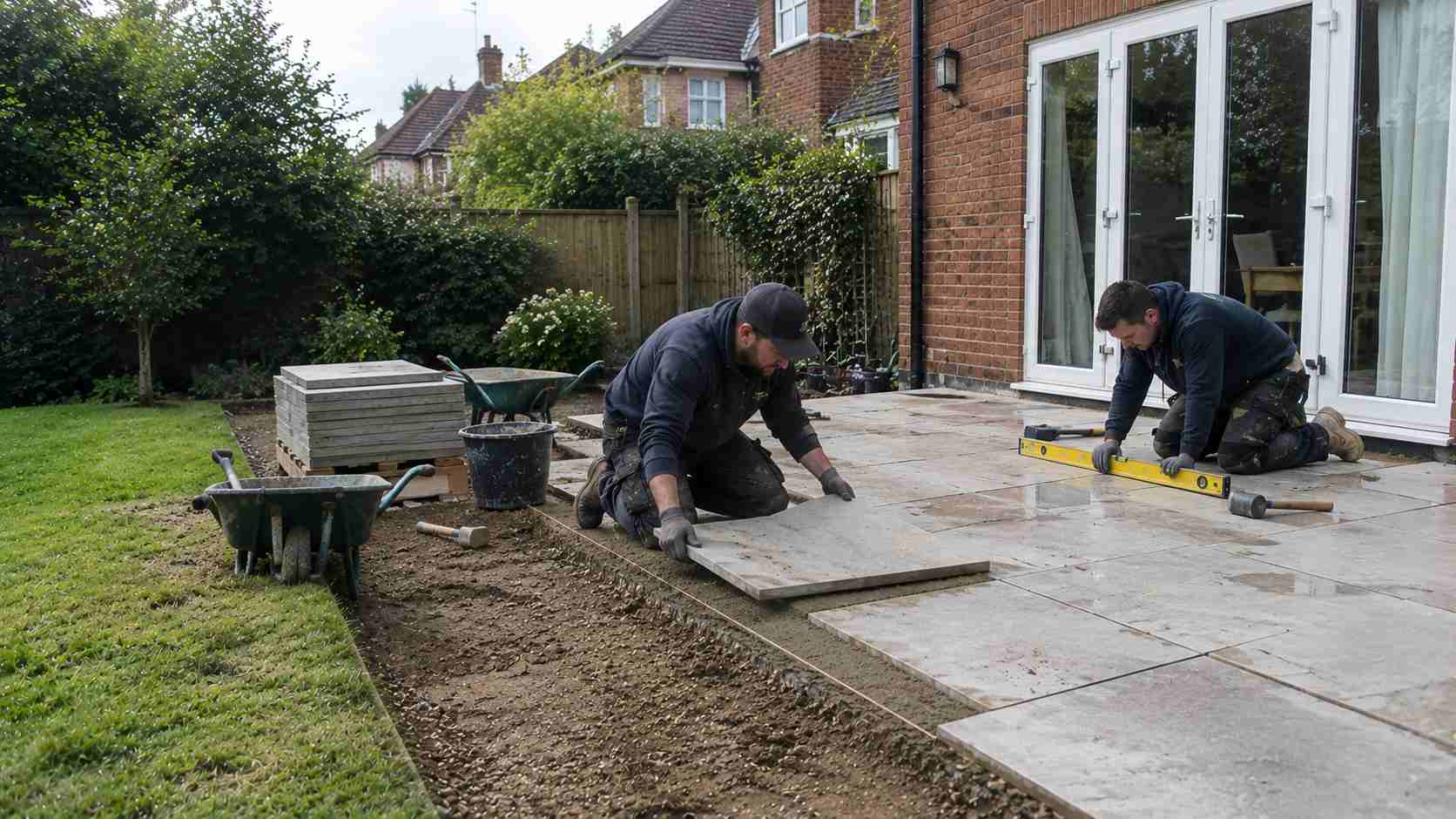
A garden room works best with a sensible path or terrace to the door, lighting and some planting to soften it. These elements can be built alongside or just after the room, and our guide to how long a new patio takes to install will help you plan the sequence. For ongoing care, our guide to maintaining a timber shed covers many principles that apply to timber garden rooms too.
Getting a realistic programme for your garden room
The most reliable way to know how long yours will take is a site visit and a written programme that separates lead time from on-site work. Our Garden Rooms & Sheds service provides both, and our Garden Design & Landscaping team can design the surrounding garden. A Patio & Paving path or terrace connects the room to the house, and our Garden Maintenance plans keep the whole garden in good order afterward.
We build garden rooms across south west London and Surrey, from larger plots in Weybridge to family homes in Wimbledon and Teddington. If you're also weighing up the cost, our landscaping cost guide explains what drives the price of garden projects.
Frequently asked questions
On-site work can take days for a simple room and several weeks for a larger, fully fitted one, with design, checks and lead times adding to the overall project. A written programme after a site visit is the most reliable guide.