Garden Design · 10 min read
Designing a Garden That Works for the Whole Family
By House of Horticulturists · 23 July 2026 · Updated 5 October 2026

A family garden carries more weight than almost any other kind of outdoor space, it needs to be safe enough for small children, durable enough to survive daily use, flexible enough to grow and change as children get older, and still somewhere adults genuinely want to sit and relax rather than just supervise. Getting all of that right in one coherent design, rather than a patchwork of compromises, is entirely possible with the right planning from the outset.
Safety comes first, but doesn't need to dominate the design
Safety considerations shape a family garden more than almost anything else, but they don't need to result in a sterile, overly cautious space. Water features and ponds need particular thought with young children around, either avoided entirely until children are older, or designed with safety grilles, shallow bubble features, or secure boundaries that still look considered rather than bolted on as an afterthought.
Boundary security matters enormously too, secure fencing and gates with child-safe latches give parents genuine peace of mind, particularly for gardens backing onto roads, water, or other hazards. Our Fencing & Screens service can specify boundaries that are both secure and attractive, rather than the two being in tension with each other.
Choosing non-toxic, child-safe planting
Certain common garden plants carry genuine toxicity risks if eaten by young children or pets, and it's worth being aware of this when planning a family garden's planting scheme, though it's rarely necessary to avoid attractive planting altogether. Thorny or spiky plants are also worth positioning thoughtfully, away from play areas and low-level sightlines where a child might run into them at speed.
This doesn't mean a family garden needs to be bland, there's a wide range of genuinely safe, attractive planting that works well around children, and our Garden Design & Landscaping service can advise on a planting palette that's both beautiful and appropriate for a household with young children.
Durable surfaces that survive daily family use
A family garden gets used far more intensively than most, daily foot traffic, bikes, scooters, footballs and general activity put real demands on lawns and hard surfaces that a purely ornamental garden never faces. A hard-wearing lawn, properly established and maintained, copes with this far better than a lawn chosen purely for its fine, ornamental appearance, and our Lawn Installation & Turfing service can specify grass suited to genuine family use rather than show-lawn perfection.
Hard surfaces need similar consideration, textured, slip-resistant paving suits areas where children will be running and playing, and durable materials that handle scooters, bikes and general wear without showing damage quickly make sense in high-traffic zones, even if a more delicate finish suits quieter, adult-focused corners of the same garden.
Zoning a garden for different ages and activities
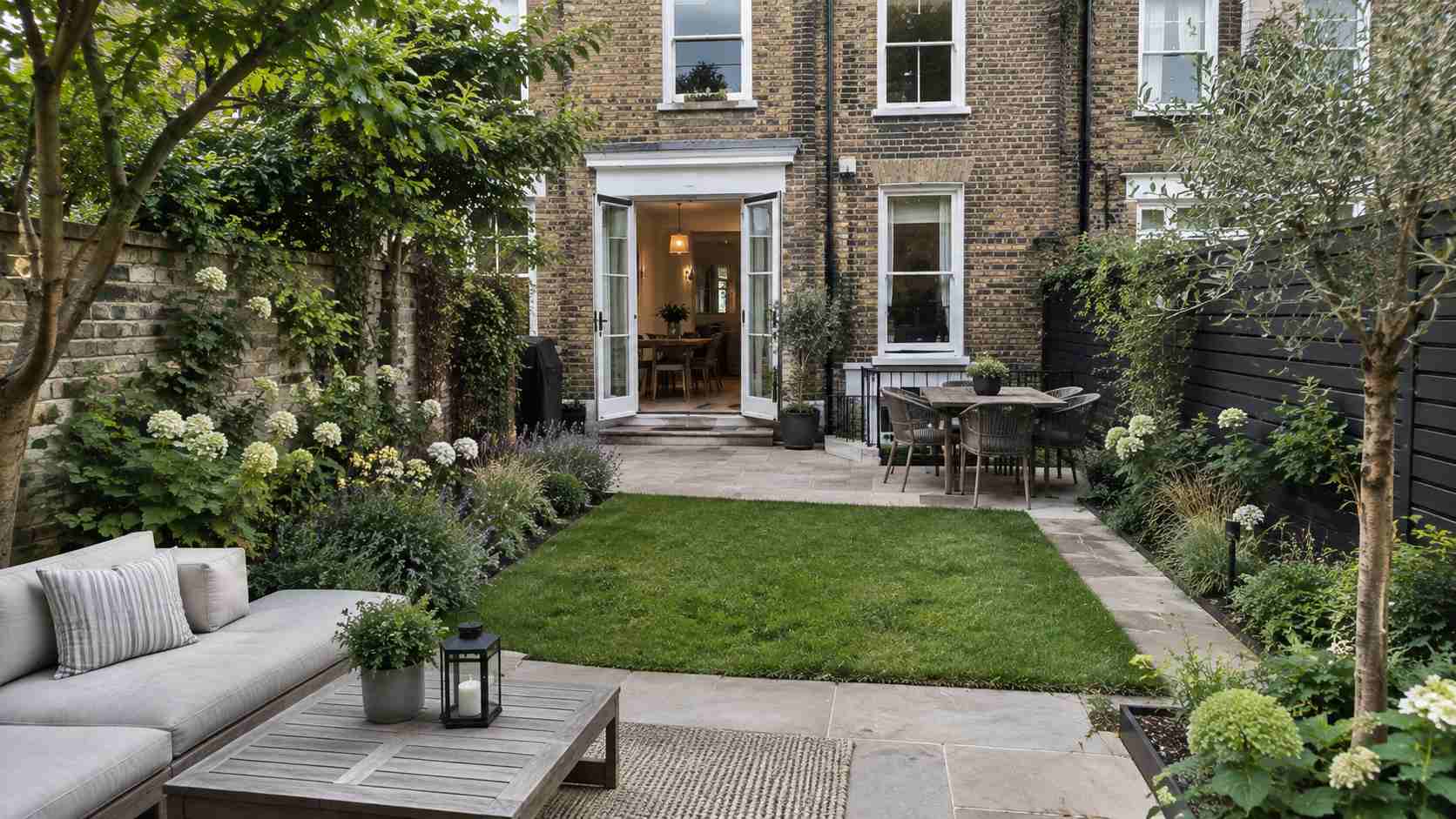
The most successful family gardens tend to divide into loose zones, a more open, durable area for active play, a quieter seating or dining space for adults, and sometimes a dedicated spot for a vegetable patch, sandpit or other specific activity. This zoning doesn't need rigid physical divisions, a change in surface material, a line of planting, or simply a shift in layout can define different areas while keeping the overall garden feeling connected.
This approach also makes a garden easier to supervise, an adult seating area positioned with a clear sightline to a children's play zone lets parents relax properly rather than needing to hover constantly, a detail worth considering carefully at the design stage rather than discovering the layout doesn't quite work once it's built.
Designing for flexibility as children grow
Children's needs change considerably over the years a family typically stays in one home, and a garden designed with some flexibility built in ages far better than one fixed entirely around toddler-specific features that quickly become irrelevant. A lawn used for toddler play can later host a trampoline or football games, a sandpit area can be repurposed into a planting bed or seating nook once children outgrow it, and open, adaptable space generally serves a family better over time than heavily committed single-purpose features.
It's worth thinking a few years ahead at the design stage, rather than designing purely around current ages, a garden that only works for the family's needs today often needs significant, costly reworking within just a few years as children grow.
Giving teenagers their own space
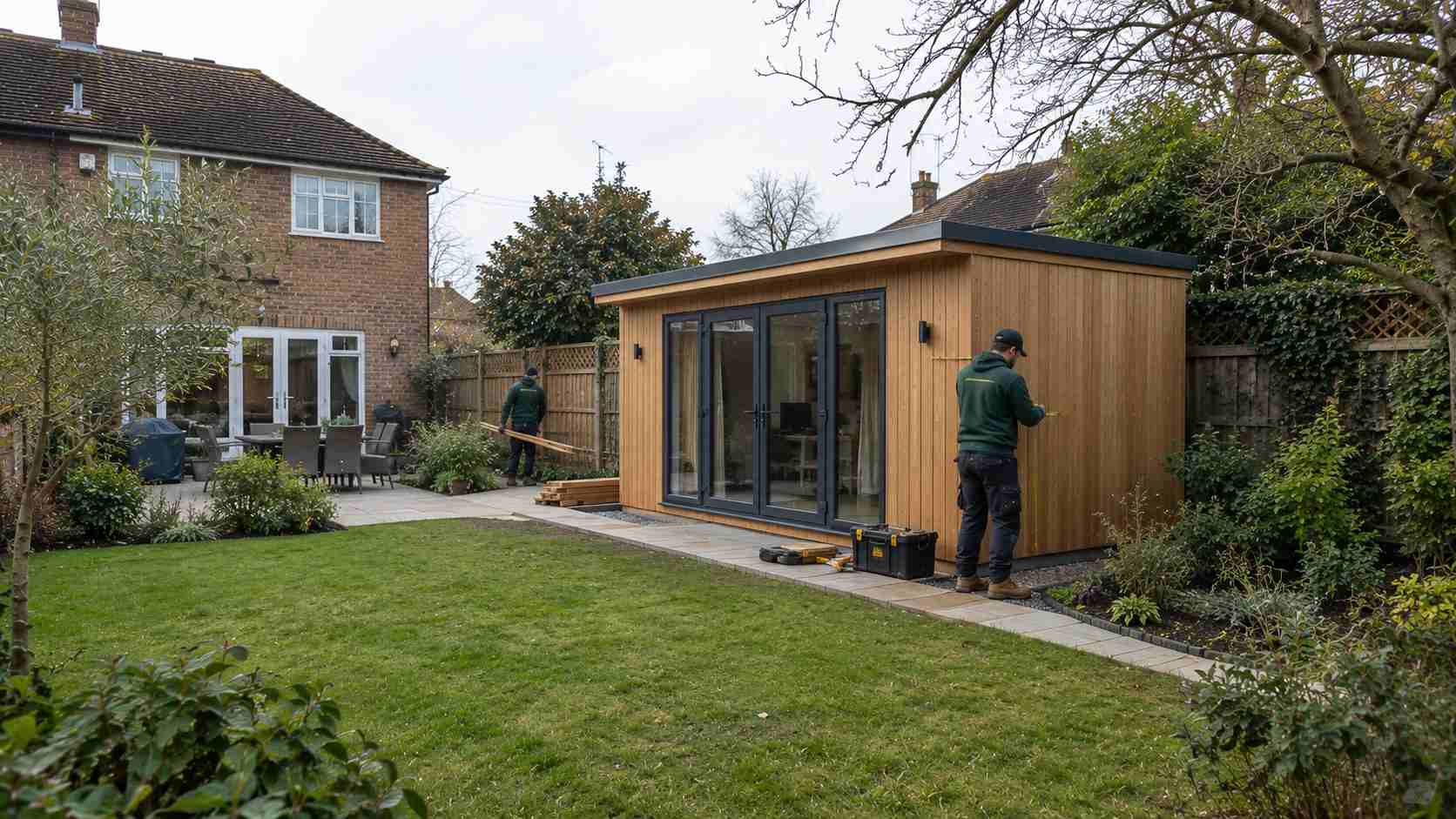
As children move into their teenage years, garden needs shift again, often toward wanting somewhere semi-independent to spend time with friends rather than purely supervised play space. A dedicated seating area, perhaps with a fire pit for cooler evenings, or even a well-specified garden room that can later double as a teenage hangout space or study area, gives older children genuine ownership of part of the garden without needing a separate build project at that stage.
This is exactly the kind of long-term thinking worth discussing at the original design stage, even if the specific feature isn't built immediately, planning the space and access for it means adding it later is straightforward rather than disruptive.
Keeping a family garden manageable
Busy family life rarely leaves much spare time for intensive garden upkeep, which makes low-maintenance design principles particularly valuable for family gardens specifically, covered in more detail in our guide to creating a low-maintenance garden. Durable, easy-care planting and surfaces mean the garden stays looking good without competing for the limited free time most families actually have.
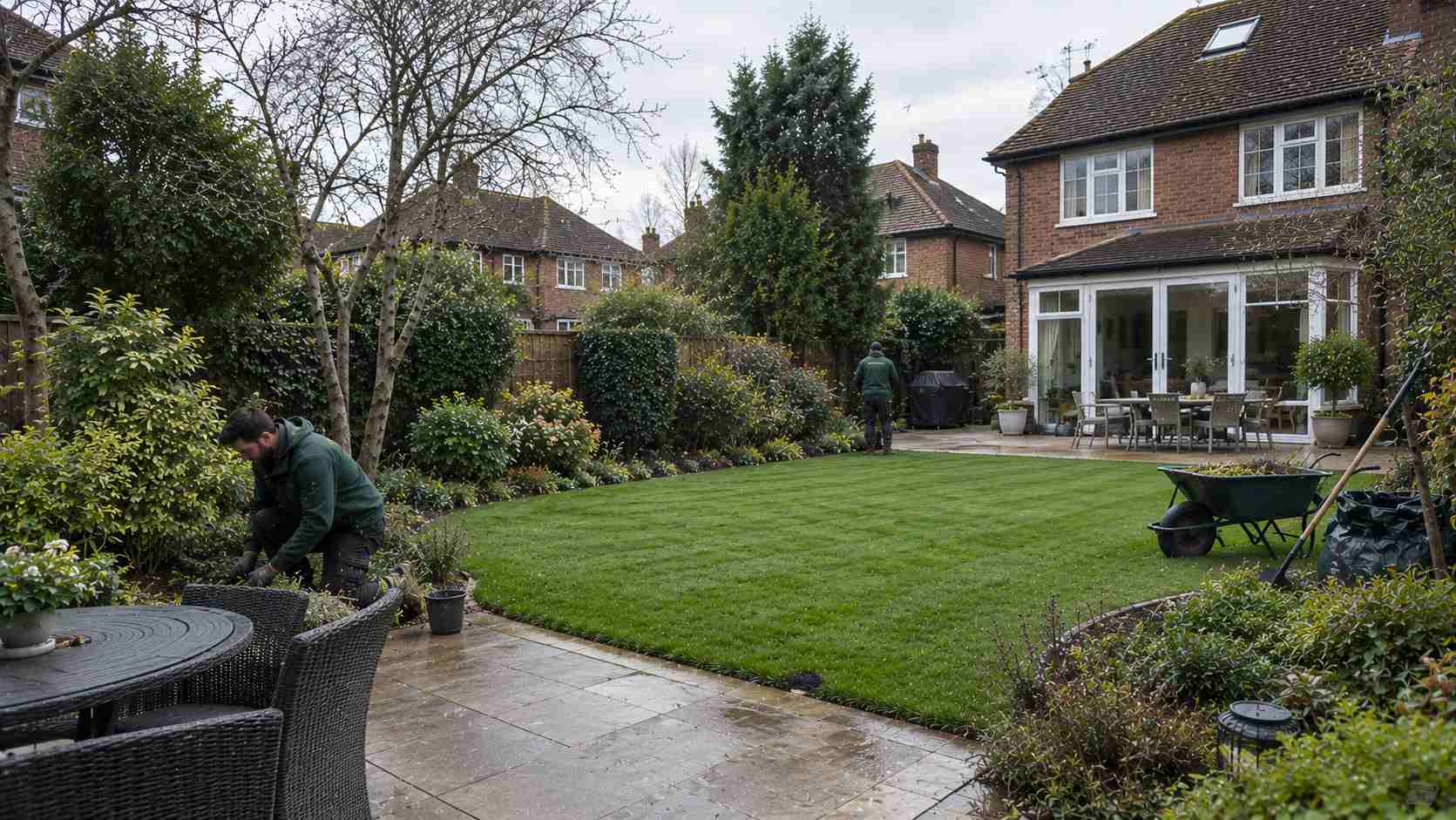
Our Garden Maintenance plans can also take routine upkeep off a busy family's plate entirely, keeping lawns, borders and hedges looking good on a schedule that suits the household, worth considering particularly during the years when young children leave little time for weekend gardening.
Considering pets alongside children
Many family gardens also need to work for a dog or other pet, which brings its own considerations, durable, dog-proof planting, secure boundaries that keep pets in as much as they keep hazards out, and surfaces that cope with regular muddy paws without becoming a constant source of mess tracked indoors. Lawn areas in particular benefit from being genuinely tough rather than ornamental where a family dog is a regular user, a theme covered more broadly in our low-maintenance garden design guide.
Adding genuine value for wildlife and learning
A family garden is also often where children get their first real exposure to nature, and building in some wildlife-friendly elements, a small pond with proper safety measures, a bug hotel, or simply planting that attracts birds and butterflies, adds genuine educational value alongside the practical family use. Our guide to making a garden more wildlife-friendly covers how to do this without compromising on a smart, well-kept appearance, proving the two goals work well together rather than against each other.
Designing a family garden that genuinely works
The best family gardens come from a proper design process that accounts for current needs and realistic future ones, rather than either an entirely adult-focused design that ignores children's needs, or one so dominated by play equipment that it stops feeling like a garden adults enjoy using too. This balance matters in family homes across every area we work in, from the established suburban streets of Cobham to the larger family plots around New Malden.
Our Garden Design & Landscaping service specialises in exactly this kind of considered family garden design, balancing safety, durability, flexibility and genuine enjoyment for every member of the household, children and adults alike.
Frequently asked questions
Safety and sightlines come first, secure boundaries, thoughtfully positioned water features, and seating areas with a clear view of play zones. Beyond that, durability and flexibility for changing needs as children grow are the next biggest priorities.