Landscaping · 9 min read
Party Wall Act and Garden Work: What You Need to Know Before Starting
By House of Horticulturists · 14 October 2026
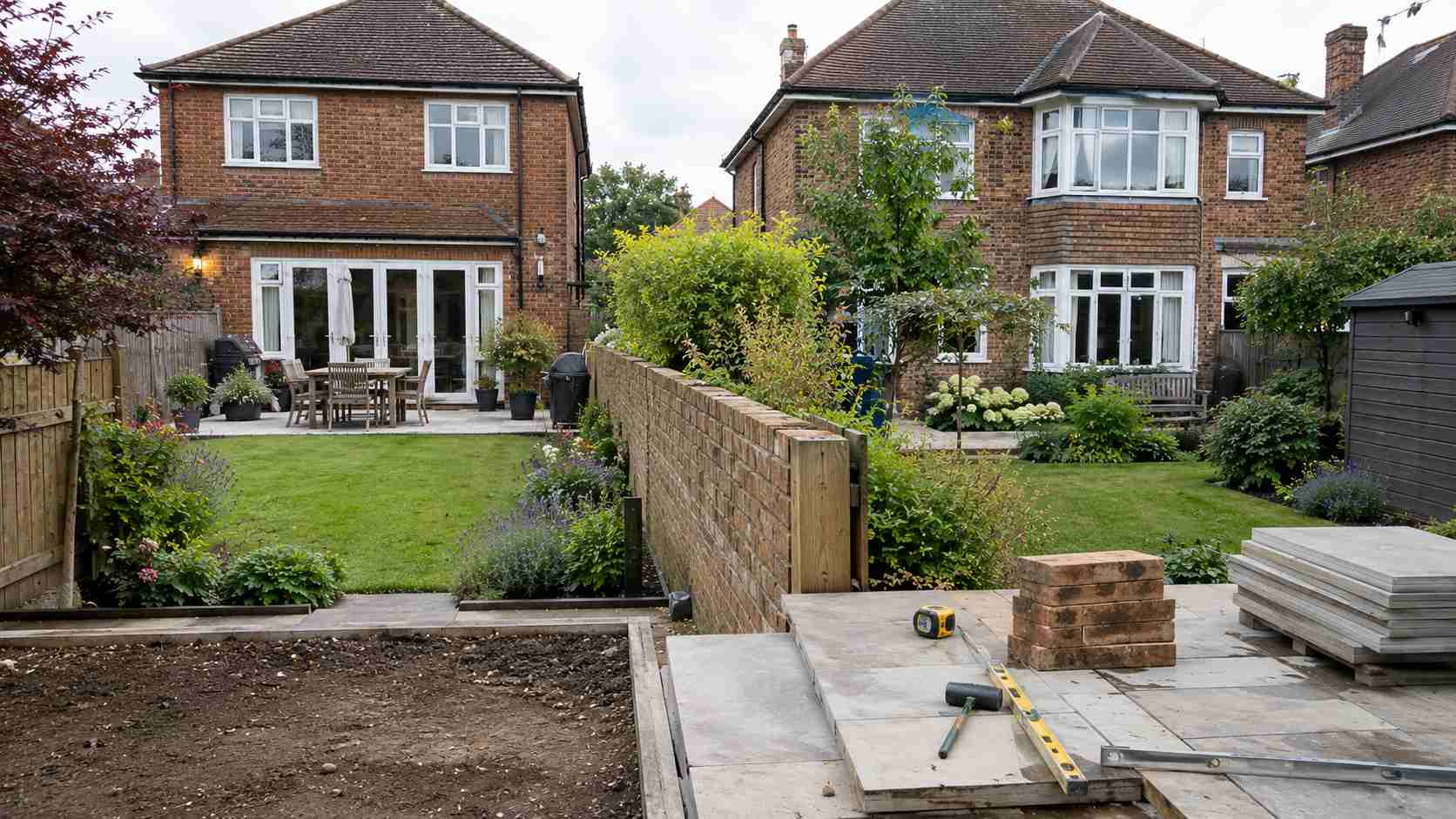
Most homeowners have heard of the Party Wall Act in connection with loft conversions and extensions, but far fewer realise it can also touch garden projects. A new garden room with deep foundations, a retaining wall close to a neighbouring house, or work to a brick wall that sits on the boundary can all, in some circumstances, bring the Act into play. Getting it wrong can lead to disputes, delays and legal costs, while getting it right is usually straightforward. This is a general guide to how the Party Wall etc. Act 1996 may apply to garden work in England and Wales. It's information rather than legal advice, the detail matters and every situation differs, so please take specific advice from a party wall surveyor or solicitor before starting work that might be affected.
What the Party Wall Act is for
The Party Wall etc. Act 1996 is a piece of legislation that provides a framework for managing building work that could affect a neighbouring property. Its purpose is to prevent and resolve disputes, by requiring the person doing the work to notify affected neighbours and by setting out a process if the neighbour has concerns. It applies in England and Wales, and Scotland and Northern Ireland have different arrangements.
It's a separate system from both planning permission and building regulations. A project can be permitted development and still need a party wall notice, and the Act doesn't give a neighbour the right to veto work, it provides a process for agreeing how it will be done. Our guides to permitted development rights for gardens and building regulations for garden rooms explain how those other systems fit alongside it.
The three situations the Act typically covers
- ›Work to an existing party wall or party structure, a wall shared between two properties, such as cutting into it or raising it.
- ›Building a new wall on or astride the boundary line between properties.
- ›Excavation close to a neighbouring building, where digging below the level of the neighbour's foundations within certain distances could affect their structure.
When garden projects might be affected
Most everyday garden work doesn't trigger the Act. Planting, laying lawn, building a patio at ground level and putting up a normal timber fence generally fall outside it. The situations that can bring it into play are those involving substantial structure or digging near a neighbour's building.
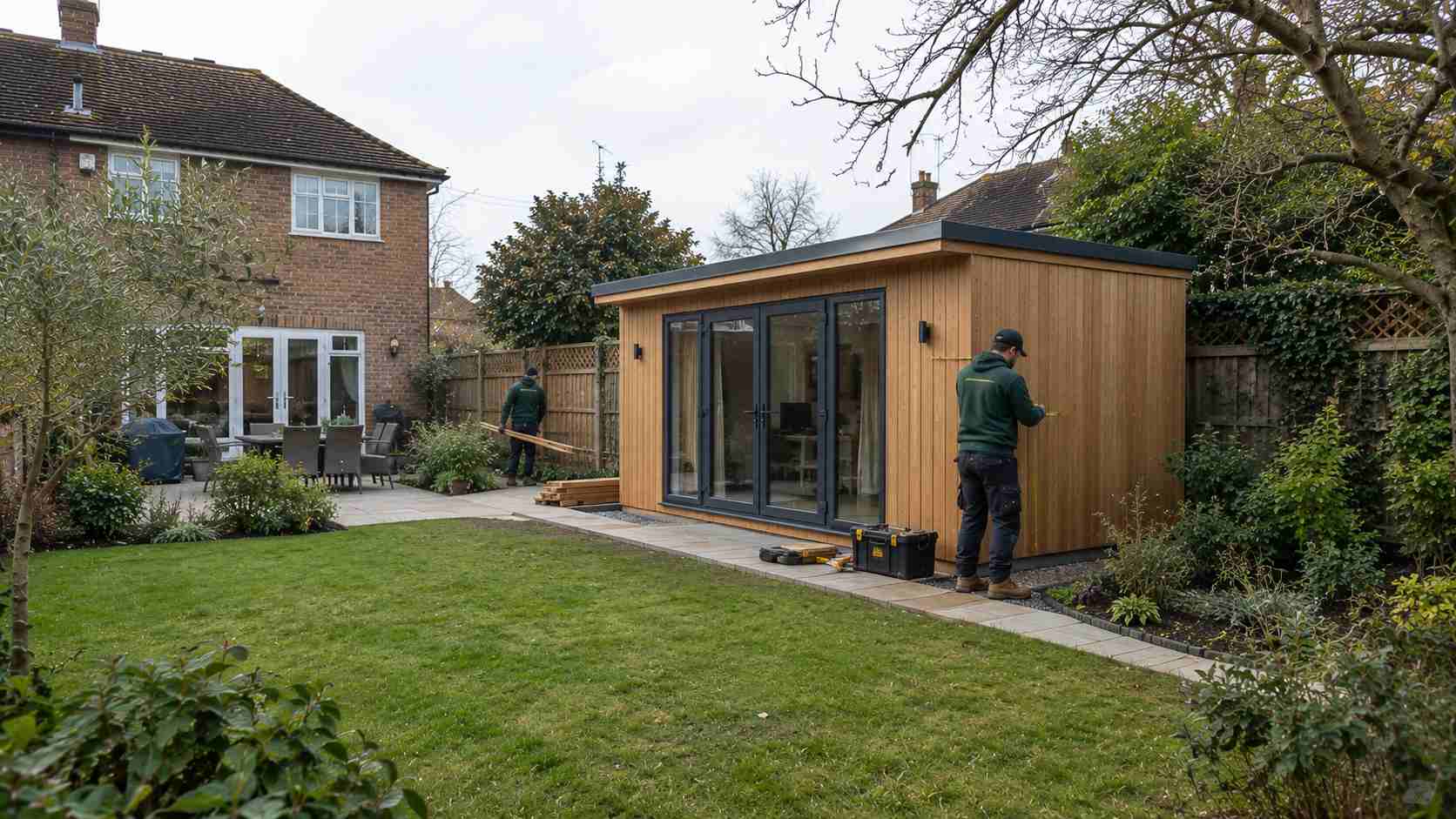
Examples that may be relevant include building a garden room or outbuilding with deep foundations close to a neighbouring house, constructing a retaining wall near the boundary, excavating for a basement-style space, swimming pool or deep drainage near a neighbouring building, or altering or rebuilding a masonry wall that sits astride the boundary. Whether the Act applies depends on the specific distances, depths and structures involved, which is why professional advice is worth having for anything borderline.
Garden walls and fences on the boundary
A freestanding masonry wall that straddles the boundary can count as a party fence wall under the Act, and certain work to it may require notice. Ordinary timber fences are generally not treated in the same way, although ownership and boundary issues still need handling sensibly and are a matter for the property deeds and neighbourly agreement rather than the Act.
Because boundary ownership is often unclear, it's worth checking your title documents and talking to your neighbour early. Our Fencing & Screens service can advise on boundary options, and our guide to planting for privacy covers softer alternatives that avoid structural work on the boundary altogether.
Excavation near a neighbour's building
Digging close to a neighbouring building is the part of the Act most likely to catch garden projects out. In general terms, notice may be required where you plan to excavate within a few metres of a neighbouring building and deeper than its foundations, with the exact distances and conditions set out in the Act itself, so it's worth checking the current wording rather than relying on a summary.
This is most relevant for garden rooms and outbuildings with substantial foundations, retaining walls and deep drainage runs close to a boundary, and on sloping plots, where levels are changed to create terraces. Our guide to landscaping a sloping garden explains why retaining structures and drainage need proper design in the first place.
How the notice process generally works
- ›The person doing the work, the building owner, serves written notice on the affected neighbour, typically well ahead of starting, with the required period depending on the type of work.
- ›The neighbour can consent in writing, which usually allows work to proceed without further formality, or can dissent.
- ›If there's dissent, or no response within the set period, a dispute is generally treated as having arisen and surveyors are appointed, either one agreed surveyor or one for each side.
- ›The surveyors prepare an award setting out what work may be done and how, and often a record of the condition of the neighbouring property beforehand.
- ›The building owner generally bears the reasonable surveyor costs, which is one reason to start the conversation early.
Practical tips for a smooth process
Talking to your neighbour before any formal notice is served usually makes everything easier. Explain what you plan to do, show them the design and give them a chance to ask questions, and many neighbours will happily consent in writing once they understand the project.
Allow enough lead time in your programme, because notice periods can push back start dates, and ask whoever is designing and building your project to flag early whether the Act might apply. A good contractor will recognise the situations that need checking and can work with a party wall surveyor where necessary.
Where this matters most
The Act comes up most often where properties are close together, such as terraced and semi-detached streets, and where plots are narrow and structures sit near boundaries. Gardens in areas like Wandsworth, Southwark and Wimbledon often fit that description, though the question of whether the Act applies always turns on the specific project and plot rather than the area.
Getting the right advice before you build
If you think your project might be affected, a party wall surveyor can advise on whether notice is needed and manage the process, and a solicitor can help with any legal questions. Checking early costs little compared with the cost of a dispute or an injunction halfway through a build.
Our Garden Design & Landscaping and Garden Rooms & Sheds services plan projects with these considerations in mind, and our Patio & Paving team can design groundwork that avoids unnecessary excavation near boundaries where possible. For budgeting and choosing a contractor, our landscaping cost guide and our guide to questions to ask before hiring a landscaper are useful companions. This article is general information only, so please take specific professional advice for your own property.
Frequently asked questions
Sometimes. Most ordinary garden work doesn't trigger it, but deep excavation near a neighbour's building, new walls on the boundary or work to an existing boundary wall may. Take advice for any borderline project.