Garden Maintenance · 8 min read
Do You Need a Gardener in Winter? What Garden Maintenance Actually Involves Between November and February
By House of Horticulturists · 19 November 2026
Once the lawn stops growing and the leaves are down, it's natural to wonder whether a gardener is worth paying for over winter. The honest answer is that it depends on your garden. Winter is quieter than spring and summer, but it isn't empty: it's when structural pruning, planting, clearing and protection happen, and when problems are easiest to spot before they become expensive. This guide explains what winter maintenance really involves between November and February, which gardens benefit most from it, and when it's perfectly reasonable to pause visits until spring.
The short answer
Most gardens don't need as much attention in winter as they do in the growing season, but very few need none at all. Gardens with lawns under trees, hedges, mature shrubs, fruit trees, containers or a lot of hard landscaping usually benefit from regular winter visits, typically less often than in summer. Small, low-maintenance gardens can often manage with one or two visits over the whole winter, or a good tidy at each end of it.
The real question isn't whether there's anything to do in winter. It's whether the jobs that need doing are ones you want to do yourself, in the cold and the wet, at the right time.
What a winter garden actually needs
- ›Leaf clearance from lawns, paths, drains, ponds and the crowns of plants, which runs well into December in tree-lined streets.
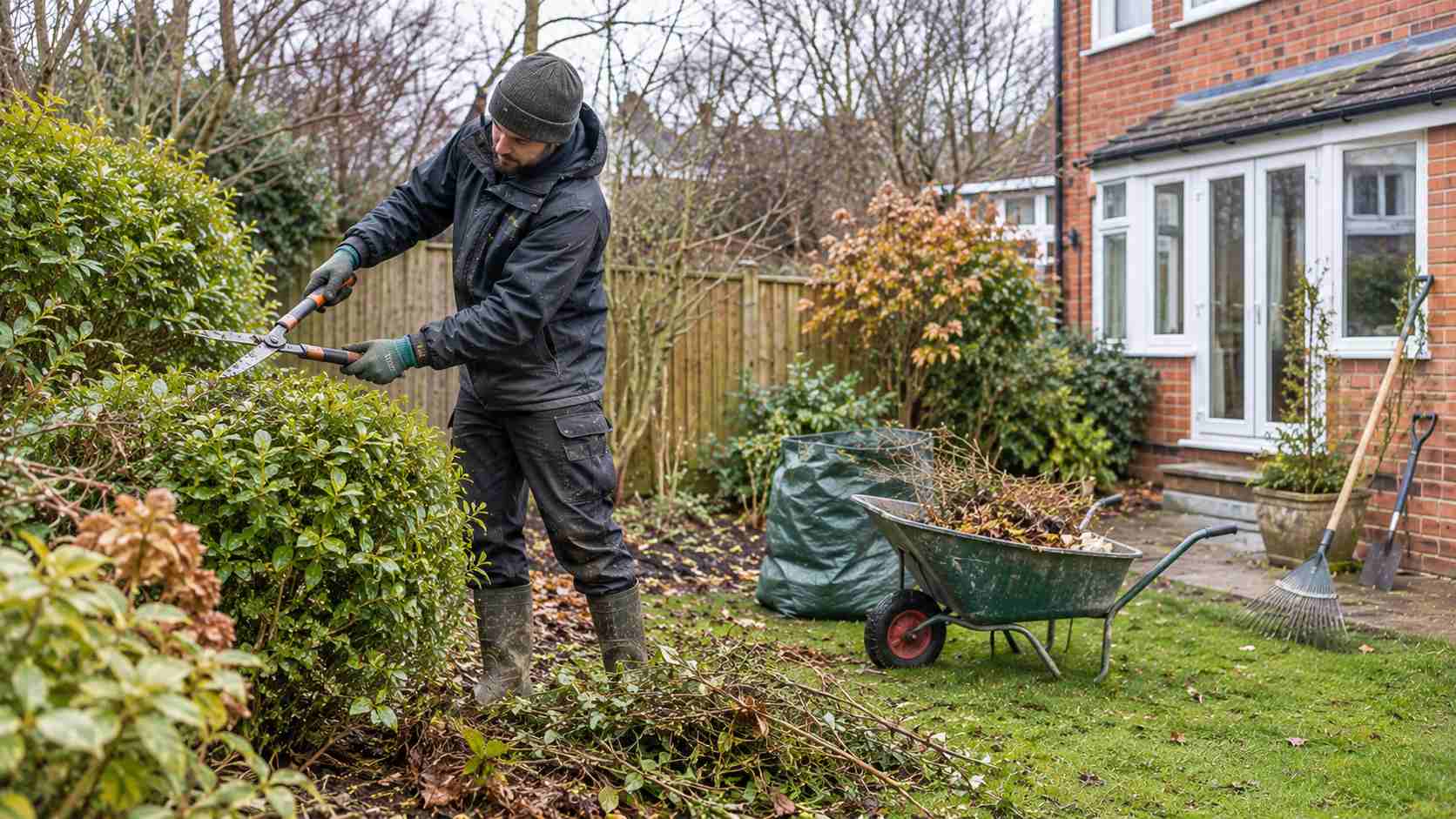
- ›Winter pruning of deciduous shrubs, fruit trees, climbers and roses, which is best done while plants are dormant.
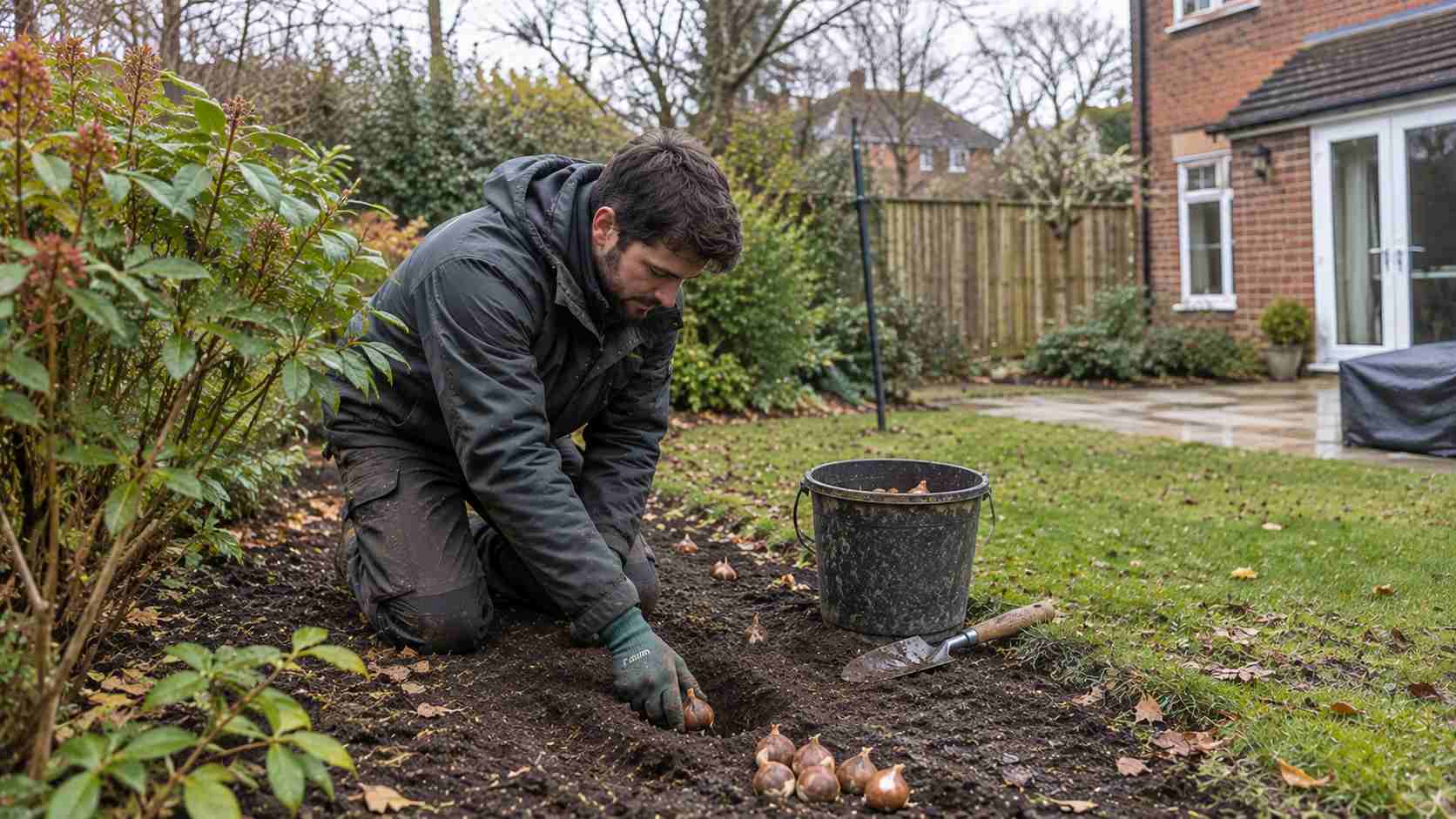
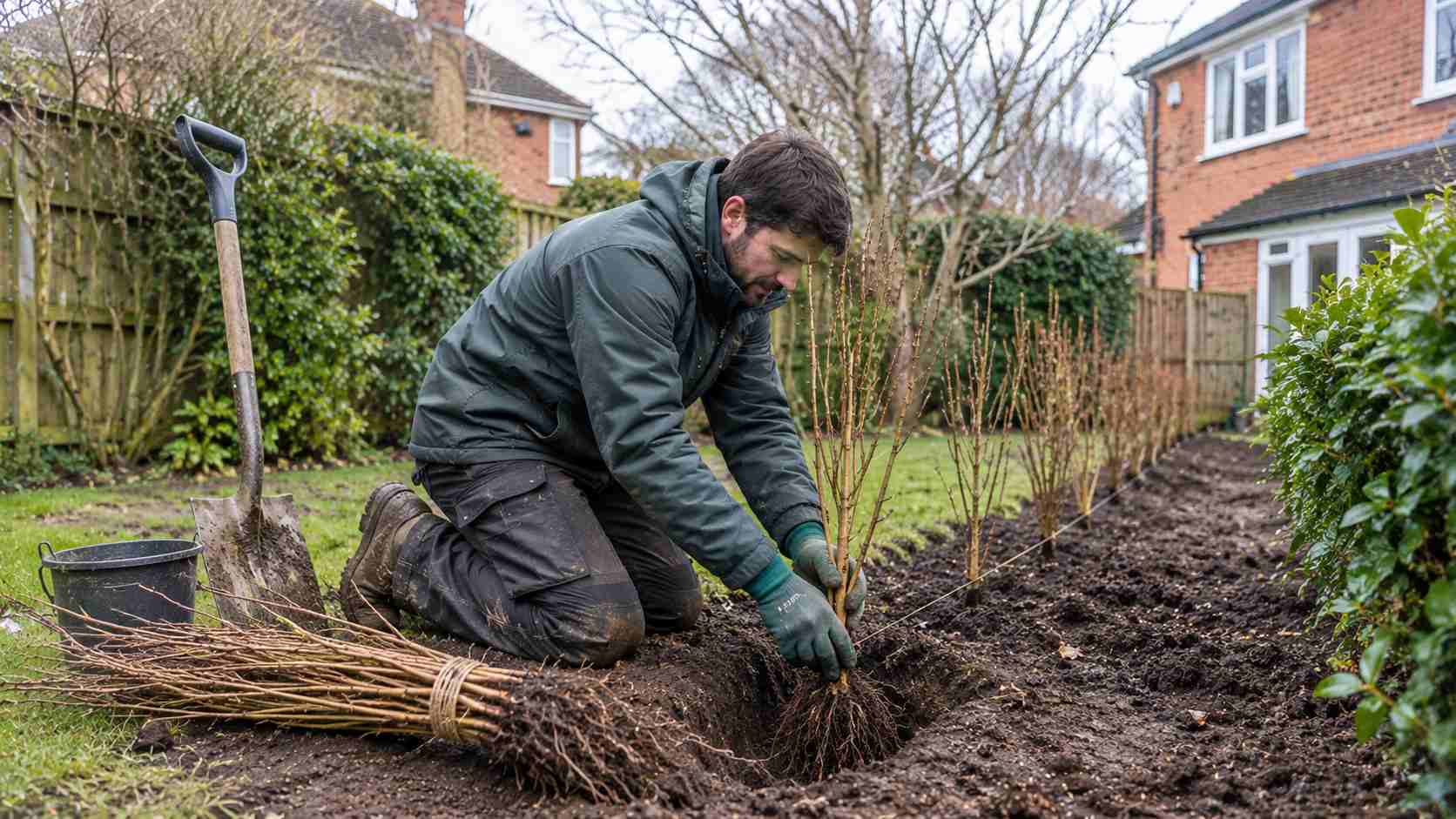
- ›Planting, especially bare-root hedging, trees and roses, which are only available and at their cheapest in the dormant season.
- ›Protection for tender plants and containers during cold snaps, and checks on stakes and ties after strong winds.
- ›Keeping hard surfaces safe by clearing moss, algae and leaves from patios, paths, steps and decking.
- ›Checking structures such as fences, sheds, gutters and garden rooms for storm damage, rot or blocked gutters.
- ›Looking after the lawn by keeping it clear and off-limits when frozen or waterlogged, with an occasional high cut in mild spells.
- ›Planning and preparing for spring, from ordering plants to booking larger projects.
Month by month: November to February
November is usually the busiest winter month. It's when the bulk of leaves come down, the last lawn cut of the year happens, borders are cut back where needed, and mulch goes on while the soil is still moist and warm. It's also the start of the bare-root planting season and a good time to clear gutters and drains before the worst of the weather.
December is the quietest month. Visits focus on clearing late leaves, keeping paths and decking safe, checking plant protection during frosts, and catching any storm damage. Lawns are best left alone, especially when frosty.
January is a good time for structural work: pruning apple and pear trees, cutting back overgrown deciduous shrubs, tidying climbers, and continuing to plant bare-root stock when the ground isn't frozen. Wisteria gets its winter prune around now.
February is when the garden starts preparing for spring. Roses and late-flowering shrubs are pruned, ornamental grasses and old perennial stems are cut back to make way for new growth, borders are weeded and edged, and the lawn may get its first light attention in a mild spell.
Gardens that benefit most from winter visits
- ›Gardens with large trees nearby, where leaf fall smothers lawns and blocks drains for weeks.
- ›Gardens with a lot of hedging, mature shrubs or fruit trees that need dormant-season pruning.
- ›Gardens with containers, tender plants or exotic planting that need protecting in cold weather.
- ›Gardens with patios, paths, steps or decking used daily, where slippery surfaces are a safety issue.
- ›Gardens you'll want to use or sell in spring, where keeping on top of things avoids a big catch-up.
- ›Gardens owned by people who travel, are short of time, or would rather not work outside in winter.
When it's fine to pause or reduce visits
If your garden is small, mostly paved, low on trees and planted with tough, low-maintenance plants, it may need very little between December and February. In that case, a thorough autumn tidy, one mid-winter check and a pre-spring visit might be all it needs.
Many people simply reduce the frequency rather than stopping altogether: monthly instead of fortnightly, for example. Our guide on how often to have your garden maintained goes into frequency in more detail. One practical point: good gardeners often have full books by spring, and some prioritise clients they look after year-round, so it's worth asking how a winter pause affects your slot.
What a good gardener won't do in winter
Knowing what to leave alone is as important as knowing what to do. A good gardener will avoid:
- ›Walking on or mowing frozen or waterlogged lawns, which damages the grass and compacts the soil.
- ›Pruning plums, cherries and other stone fruit in winter, when they're more vulnerable to disease. These are pruned in summer.
- ›Cutting back spring-flowering shrubs such as forsythia, which would remove this year's flowers.
- ›Digging or planting in frozen or saturated ground.
- ›Clearing every last leaf and stem, as some cover is valuable shelter for wildlife over winter.
- ›Working on protected trees, or most trees in a conservation area, without the right consent or notice in place.
Doing it yourself vs hiring help
Plenty of winter jobs are straightforward to do yourself: raking leaves, moving pots into shelter, clearing paths and keeping off the lawn. Where a professional earns their keep is with the jobs that need skill, timing or equipment: shaping overgrown shrubs and fruit trees, planting hedges, dealing with large volumes of green waste, and spotting problems such as rot, failing fence posts or drainage issues before they get worse.
If you're deciding who to hire, our guide to finding a reliable gardener covers what to check, and what's included in a maintenance visit explains what you should expect for your money.
Winter jobs in more detail
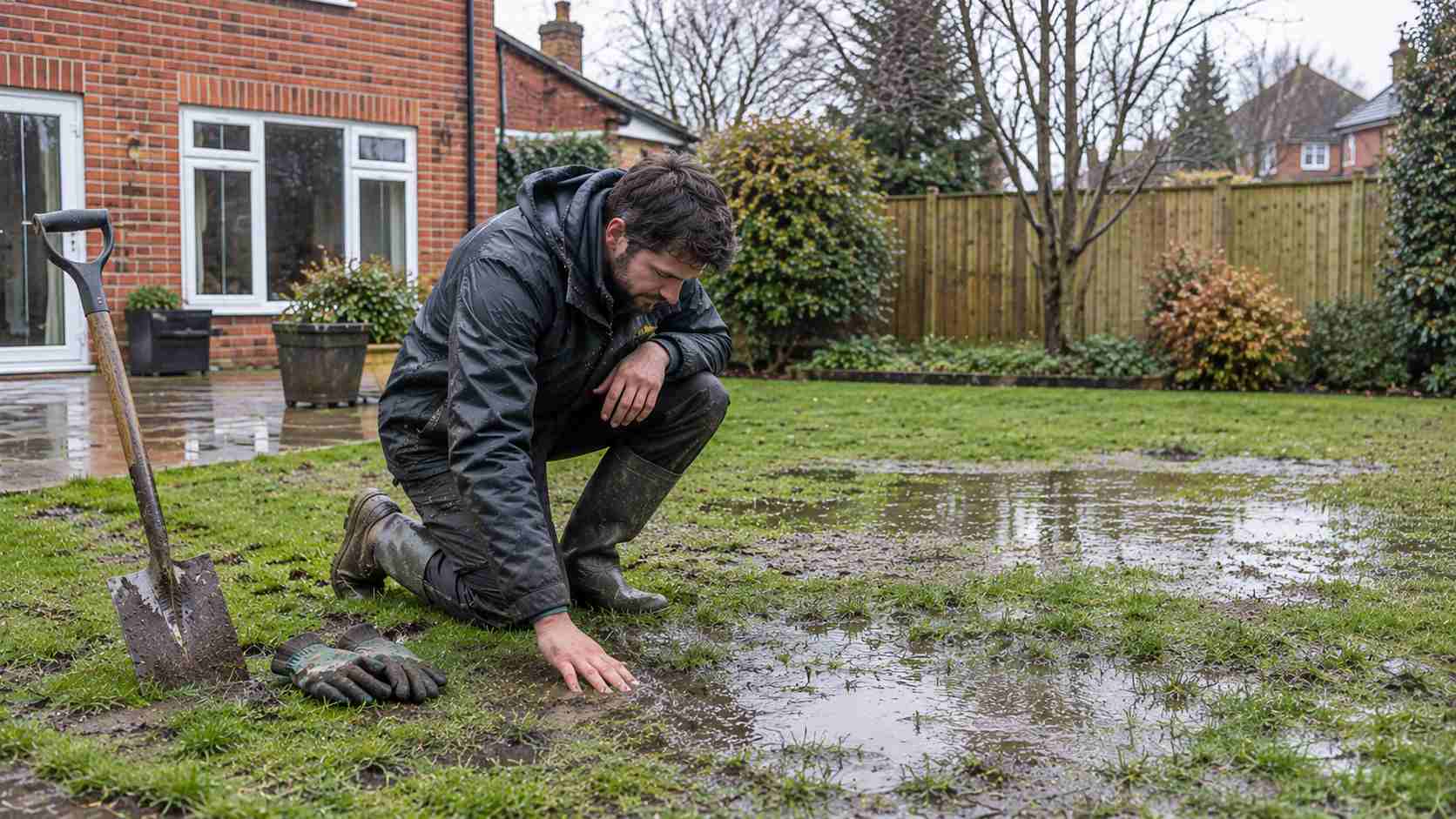
If you'd like to tackle some of this yourself, these guides go deeper: leaf clearance, winter lawn care, protecting plants from frost, winter tree pruning in London, pruning wisteria, bare-root hedging and trees, slippery patios and decking and storm-damaged fences. If your lawn is sitting under water, see quick fixes vs proper drainage for waterlogged lawns.
Winter garden maintenance with us
Our garden maintenance service runs all year, with visit frequency adjusted to the season and to your garden. We look after gardens across London and Surrey, including Wimbledon, Richmond, Kingston upon Thames, Esher and Fulham. For overgrown hedges and winter planting, see our hedges, pruning and planting service. If you'd like to talk through what your garden needs this winter, get in touch for a free visit.
Frequently asked questions
Most gardens do well with monthly visits from December to February, and fortnightly in November when leaf fall is heaviest. Larger gardens with lots of trees, hedges or containers may need more frequent visits.