Fencing · 10 min read
Storm-Damaged Fences and Garden Structures: What to Do After High Winds
By House of Horticulturists · 28 October 2026
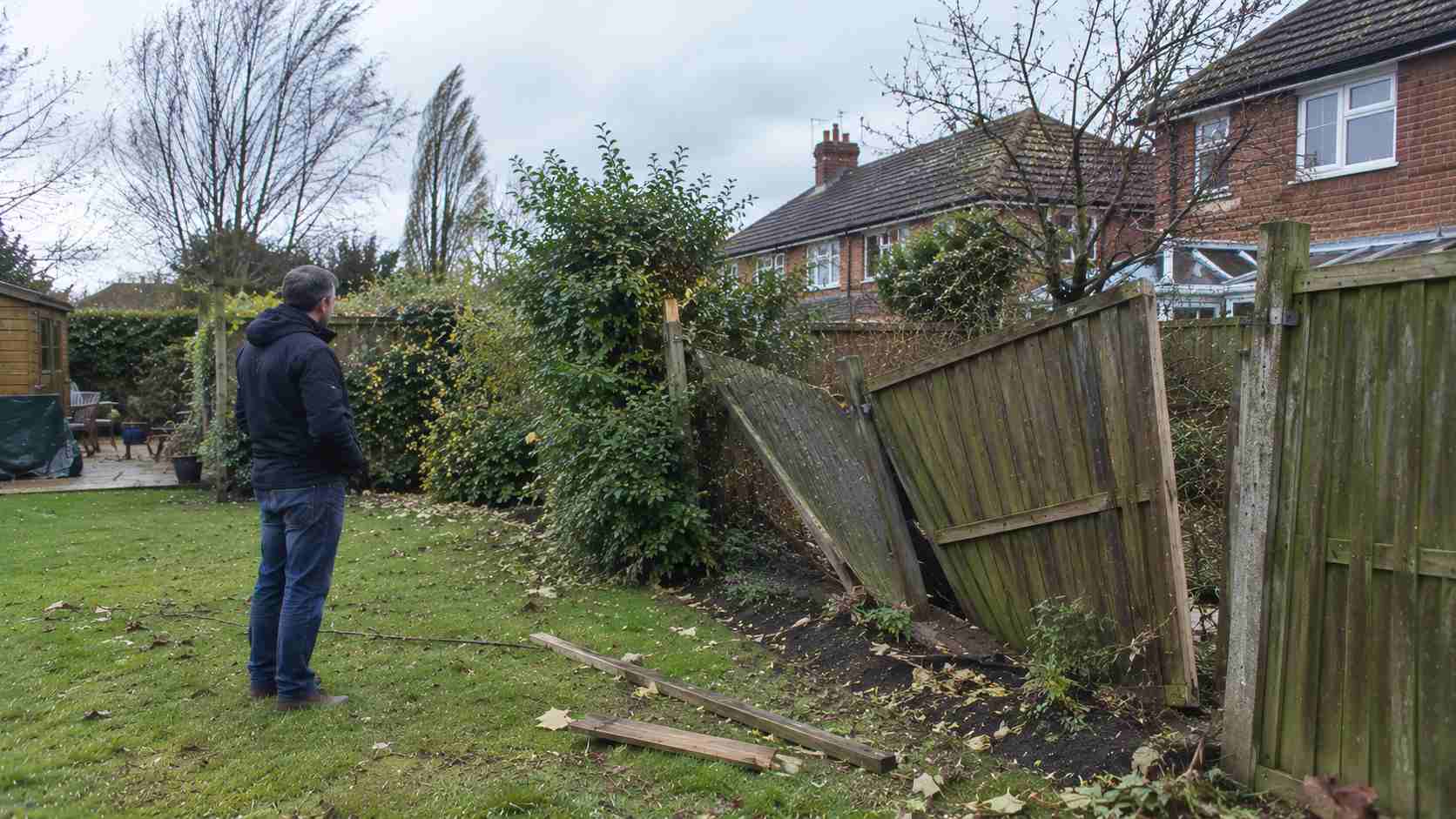
Autumn and winter storms are hard on gardens. High winds and heavy rain can flatten fence panels, snap posts, lift shed roofs, topple trellis and bring down branches or whole trees. The first reaction is usually to rush outside and start clearing up, but the first priority should be safety. After that, a sensible order of steps, assessing, documenting, securing and then repairing, protects both you and any insurance claim, and helps you decide what can be mended and what needs replacing. This guide explains what to do after high winds, how to handle fences, sheds and other structures, and how to make your garden more resilient next time.
Safety first: before you touch anything
Wait until the wind has dropped before going outside to inspect the damage, and take care. Damaged structures can be unstable, broken timber and fixings can be sharp, and wet ground is slippery. If anything has come into contact with power lines, or you suspect damage to gas, water or electrical services, keep well away and contact the relevant emergency service or utility provider.
Be cautious with large fallen branches or trees, which can be under tension and shift unpredictably. Don't climb ladders or onto roofs in windy or wet conditions, and leave anything high up, heavy or dangerous to a professional. Older sheds and outbuildings with corrugated fibre-cement roofing may contain asbestos, so don't break, drill or scrub damaged sheets, and seek advice before handling them.
Assess and photograph the damage
Once it's safe, walk around the garden and note what's been affected, including fences, gates, sheds, garden rooms, decking, pergolas, trellis, planters, furniture and trees. Take clear photographs and video of everything before moving or clearing anything, as this is valuable evidence for insurance and for planning repairs.
Note the date and time of the storm and any weather warnings, and keep any receipts for temporary repairs or emergency work.
Check your insurance
Many buildings and contents policies cover storm damage, but the terms vary, including what counts as a covered structure, excesses, and exclusions for things like wear and tear, gates, fences or items left in poor repair. Check your policy wording or contact your insurer promptly, and ask what evidence they need before you arrange repairs. This is general guidance only, since cover depends entirely on your own policy.
Make the garden safe and secure
- ›Remove or cordon off hazards such as loose panels, exposed nails and broken glazing, taking care when handling.
- ›Temporarily prop or tie up leaning fence panels and gates if it can be done safely, to prevent further damage or injury.
- ›Secure loose shed or garden room doors and cover exposed roofs or openings with a tarpaulin, if you can do it safely from the ground.
- ›Move garden furniture, planters and loose items to a sheltered spot.
- ›If a boundary has been breached and you have children or pets, consider a temporary barrier until it's repaired.
Fences: repair or replace?
Fence damage usually comes down to panels, posts or both. If only panels are damaged and the posts are sound, individual panels can often be replaced. If posts have snapped, rotted at ground level or moved in the ground, they typically need replacing too, and a fence with several failed posts is often better replaced in sections than patched.
Age matters. An older fence with soft or weakened timber may have been close to failure before the storm, and repeated patching can cost more than replacing it properly. Our Fencing & Screens service can assess whether repair or replacement makes sense, and our guide to planting for privacy covers softer boundary options that can also reduce wind pressure.
Sheds, garden rooms and outbuildings
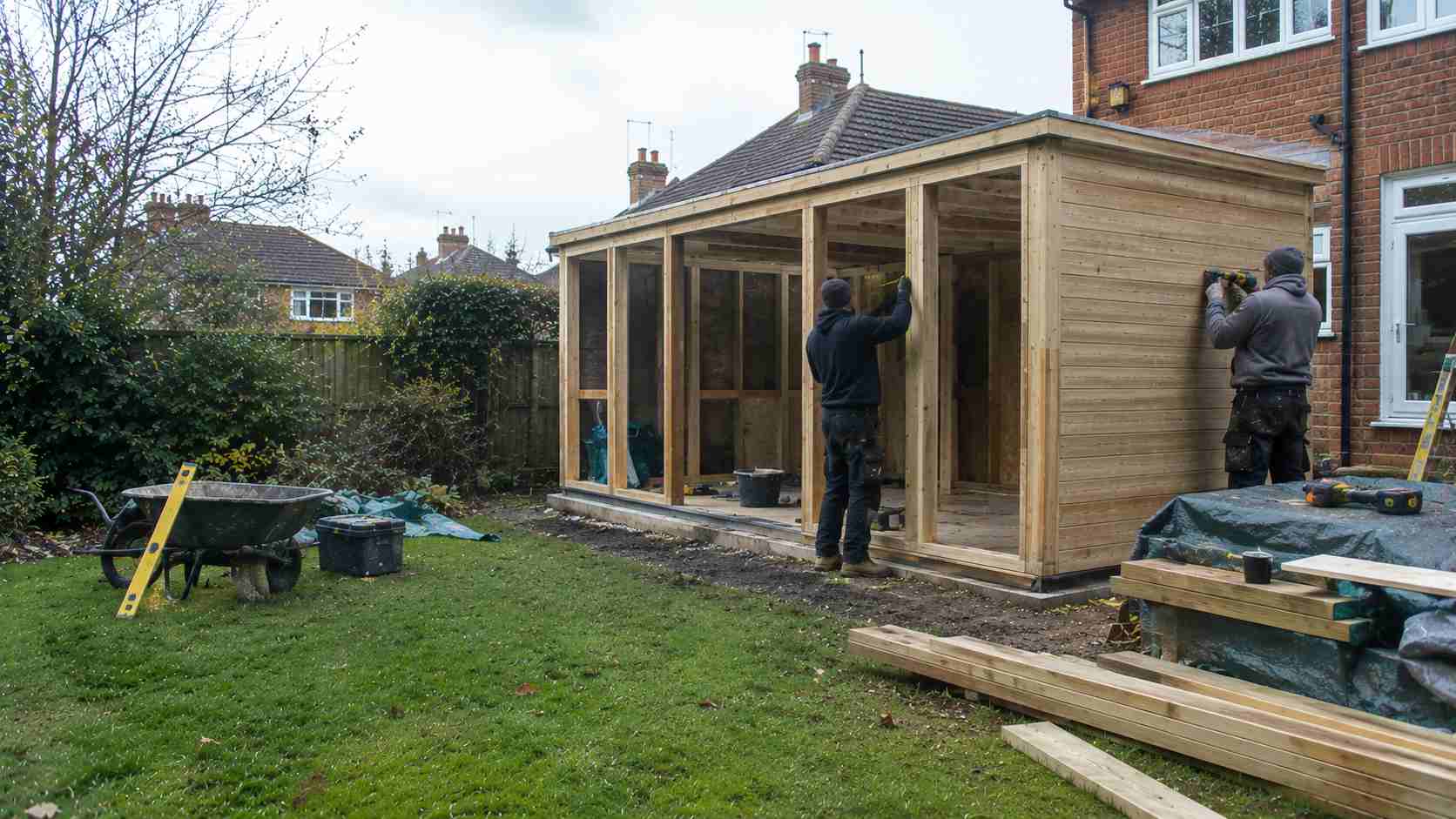
Check sheds and garden rooms for roof damage, displaced felt, broken windows, shifted bases and doors that no longer close. Wind can lift roofing felt and force water into the structure, so small repairs done quickly prevent larger damp problems. Timber buildings that have shifted on their base may need releveling.
Our guide to maintaining a timber shed covers roof, base and rot checks, and our Garden Rooms & Sheds service can inspect, repair or replace storm-damaged outbuildings.
Decking, pergolas, trellis and gates
Look for loose boards, lifted fixings, cracked posts and leaning pergolas or trellis. Decking can be damaged by fallen branches or debris, and our guide to how to maintain decking explains how to check boards and fixings. Gates often take the brunt of wind, so inspect hinges, latches and posts, and consider whether the gate needs rehanging, strengthening or replacing.
Fallen branches and trees
Clear small branches and debris once it's safe, but leave anything large, tangled or under tension to a qualified tree professional. Before cutting or removing a tree, check whether it's protected by a Tree Preservation Order or stands in a conservation area, since consent may be needed, and emergency work for dangerous trees is handled differently, so check with your local council.
If hedges or smaller trees have been damaged, our Hedges, Pruning & Planting service can tidy and restore them, and for general clearance after a storm our Pressure Washing & Waste service can remove green waste and debris.
Boundaries, neighbours and fallen structures
Storm damage often affects shared boundaries or fences that belong to a neighbour. It's worth checking your property deeds to see who is responsible for each boundary, and talking to your neighbour early about repairs. If a fence or tree from a neighbouring property has fallen into your garden, take photographs and discuss it politely first. For structural boundary walls or deep excavation near a neighbouring building, our guide to the Party Wall Act and garden work explains when formal notice may be relevant, and our guide to permitted development rights for gardens covers general rules for replacing structures.
Cleaning up and caring for the garden afterward
Once structures are safe, clear leaves, branches and debris from lawns, beds and drains, and check plants for damage. Wet leaves and debris can smother lawns and block drainage, as explained in our guide to leaf clearance. Wind-damaged plants may need light pruning, and tender or recently planted specimens may need extra protection, which our guide to protecting plants from frost covers. Our Garden Maintenance plans can handle post-storm tidying as part of a seasonal routine.
Making your garden more resilient
- ›Choose sturdy posts set deep and secure, with concrete or suitable fixings, and use rot-resistant timber or metal post supports.
- ›Consider fencing that lets some wind through, such as slatted or louvred designs, or combine fencing with hedging to soften wind pressure.
- ›Check and maintain structures regularly, replacing rotten posts and loose fixings before they fail.
- ›Secure sheds and garden rooms to proper bases and keep roofing felt in good condition.
- ›Prune trees and hedges sensibly, and have large or old trees assessed by a professional.
- ›Work through our autumn checklist for preparing your garden for winter before storm season.
Getting help locally
For significant damage, a professional can assess safely and quote for repair or replacement. Our services cover storm-damaged gardens across south west London and Surrey, including exposed sites around Bracknell, Reading and Maidenhead, and leafier areas with mature trees such as Richmond. If you need a larger repair or a rebuild, our Decking and Garden Design & Landscaping services can help, and our guides to how much landscaping costs and questions to ask before hiring a landscaper will help you compare quotes.
Frequently asked questions
Wait until it's safe, then photograph the damage, check for hazards and contact your insurer. Make temporary safe repairs and keep receipts, then arrange a proper repair or replacement.