Garden Maintenance · 9 min read
How Often Should You Have Your Garden Maintained?
By House of Horticulturists · 10 September 2026
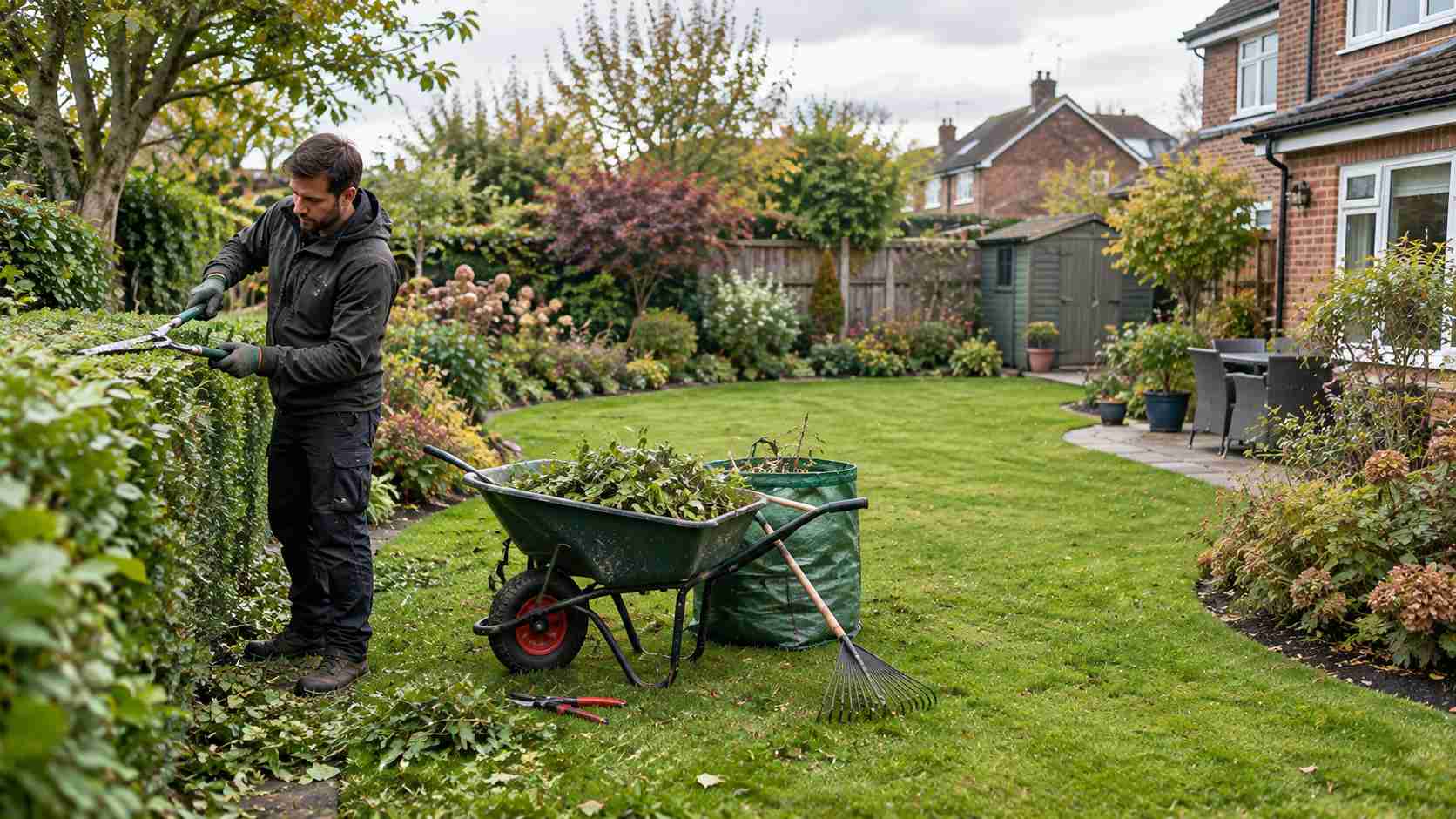
It's one of the most common questions we're asked, and there isn't a single right answer, how often a garden actually needs maintaining depends on its size, how densely it's planted, the time of year, and honestly how much you're able or willing to do yourself between visits. Too infrequent and a garden slips into a state that takes real effort to bring back under control, too frequent and you're paying for visits that aren't achieving much beyond what the last one already did. Here's how to actually work out the right frequency for your specific garden.
Why there's no single right answer
Two gardens of a similar size can have completely different maintenance needs depending on what's actually growing in them. A garden that's mostly lawn and a couple of established shrubs needs far less regular attention than one packed with borders, climbers, a vegetable patch and a hedge boundary, even if the total square footage is identical. Growth rate also varies enormously by season, a garden that's ticking along fine on a monthly visit through winter can look distinctly overgrown on the same schedule during peak summer growth.
This is exactly why a one-size-fits-all recommendation, "have your garden maintained fortnightly" for example, tends to be either overkill or insufficient depending entirely on the specific garden it's applied to. The better approach is understanding the actual factors that drive maintenance frequency, then matching a schedule to your garden rather than a generic rule of thumb.
The main factors that determine frequency
- ›Garden size, larger gardens generally need more total time per visit but don't necessarily need more frequent visits, it depends on planting density more than raw size.
- ›Planting density and variety, a garden with mixed borders, climbers and different plant types generally needs more frequent attention than one that's mostly lawn and a few simple shrubs.
- ›Lawn condition and use, a lawn that's regularly walked on or used for entertaining needs more frequent mowing and edging than one that's more decorative.
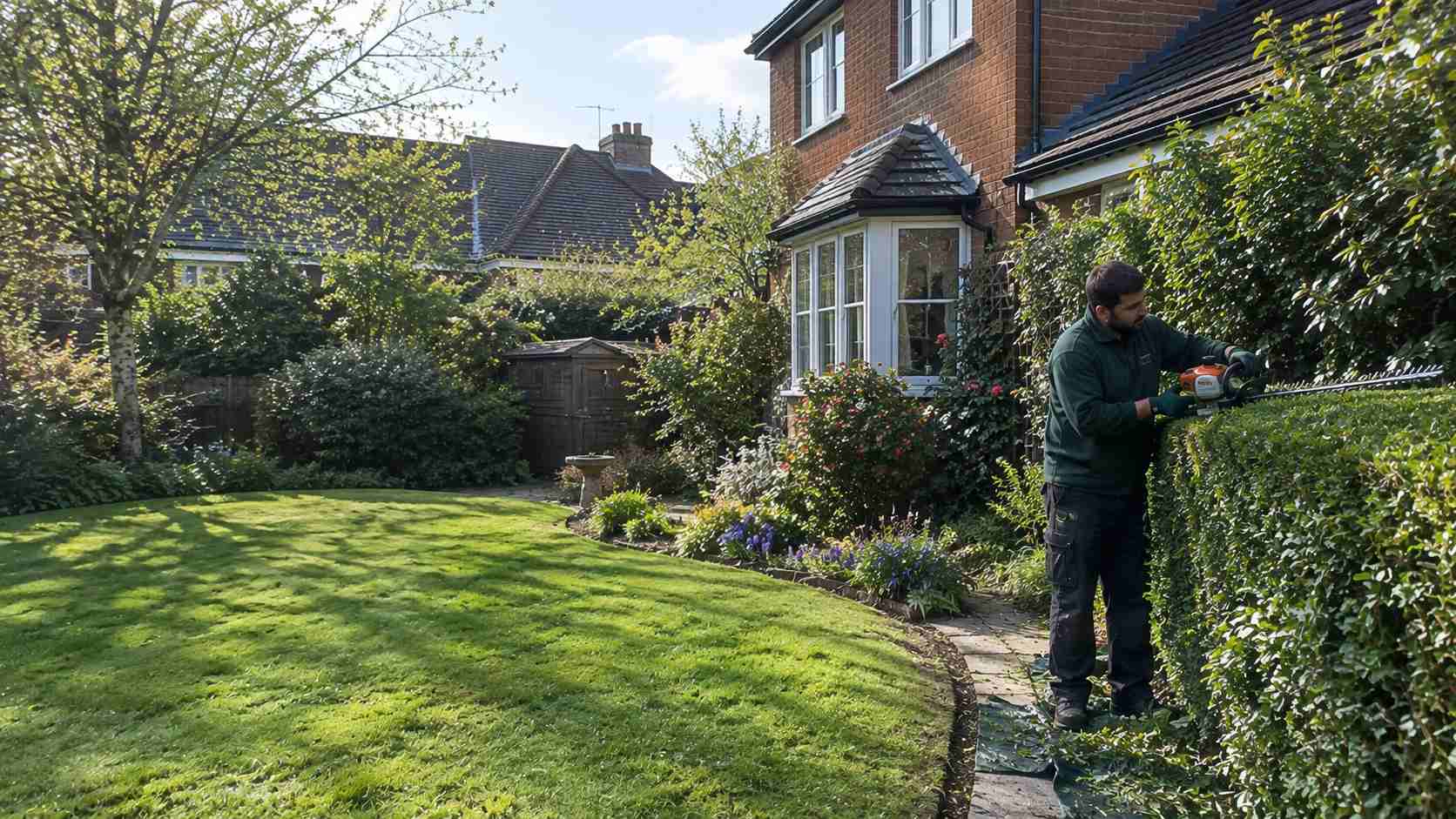
- ›Hedge and shrub coverage, formal hedges need trimming two or three times a year to stay sharp, informal or native hedging needs far less frequent attention.
- ›Season, growth rate varies dramatically through the year, and maintenance frequency should realistically flex with it rather than staying fixed all year round.
- ›Personal involvement, a garden where the homeowner does some routine work between professional visits, watering, light deadheading, can generally run on a less frequent maintenance schedule than one relying entirely on visits for everything.
Weekly maintenance
A weekly visit suits larger, more heavily planted gardens through the main growing season, where lawns need regular mowing to stay in good condition, borders need consistent deadheading and weeding, and general upkeep would otherwise fall behind quickly. It's also a sensible choice for anyone who wants their garden to consistently look its absolute best, particularly if it's used regularly for entertaining or is highly visible from the house.
Weekly maintenance is less commonly needed through autumn and winter, when growth slows considerably, and many gardens on a weekly summer schedule can reasonably drop to fortnightly or monthly over the colder months without any real decline in condition.
Fortnightly maintenance
Fortnightly is the most common maintenance frequency for a typical family garden through the growing season, striking a reasonable balance between keeping on top of mowing, weeding and general tidiness without paying for visits more frequent than the garden's actual growth rate justifies. It suits gardens of moderate size and planting density well, and it's often the frequency people settle into once they've tried weekly and found it more than the garden genuinely needs.
Monthly maintenance
Monthly visits work well for smaller, simpler gardens, or as a winter-season frequency for gardens that run more often through spring and summer. It's also a sensible choice for gardens that are mostly hard landscaping with modest planting, where growth between visits is naturally slower regardless of season.
The main risk with monthly maintenance during the growing season is that a garden can visibly get away from itself between visits, weeds establish, grass grows long enough that cutting it properly takes real effort, and borders can look untidy for a noticeable stretch before the next visit catches up. It's a frequency that works best either for lower-maintenance gardens or for homeowners doing some of their own upkeep in between.
Seasonal and one-off maintenance
Beyond a regular schedule, certain jobs genuinely only need doing once or twice a year regardless of overall visit frequency, an annual hedge cut, autumn leaf clearance, spring border preparation, or a pre-winter tidy. These are often worth booking as standalone seasonal visits even for gardens on a lighter regular schedule, since bundling them into a routine maintenance visit can either overload that particular visit or mean the job gets pushed later than ideal.
This is where our Garden Maintenance service tends to work best in practice, a core regular schedule matched to the garden's actual needs, topped up with seasonal jobs at the right point in the calendar rather than everything squeezed into whatever the standard visit happens to be.
Signs you need more frequent visits
- ›The lawn regularly looks overgrown or patchy by the time the next visit comes round.
- ›Weeds are establishing and going to seed between visits, creating more work at each subsequent visit than necessary.
- ›Borders look untidy or overgrown for a noticeable portion of the time between visits rather than just briefly before each one.
- ›Hedges are visibly outgrowing their shape well before the scheduled trim.
- ›You find yourself doing significant extra work between professional visits just to keep things looking presentable.
Signs you could reduce frequency
- ›The garden still looks tidy and well-kept right up until the next scheduled visit, suggesting the current frequency has some slack in it.
- ›Visits are covering mostly light, quick tasks rather than substantial work each time.
- ›The garden is mostly hard landscaping or established, low-maintenance planting with minimal seasonal change.
- ›You're comfortable handling light upkeep yourself between visits, watering, occasional deadheading, reducing what's needed from each professional visit.
Adjusting frequency through the year
The most cost-effective approach for many gardens isn't a single fixed frequency all year, but a schedule that flexes with the seasons, more frequent through the height of the growing season in spring and summer, tapering to fortnightly or monthly through autumn and winter as growth slows. This matches maintenance effort to what the garden actually needs at each point in the year, rather than either overpaying for unnecessary winter visits or letting a fast-growing summer garden get away from a schedule set for quieter months.
If your garden has been left to get away from a previous schedule entirely, our guide to reclaiming an overgrown garden covers how to bring things back under control before settling into an ongoing routine that's actually sustainable going forward.
Finding the right schedule for your garden
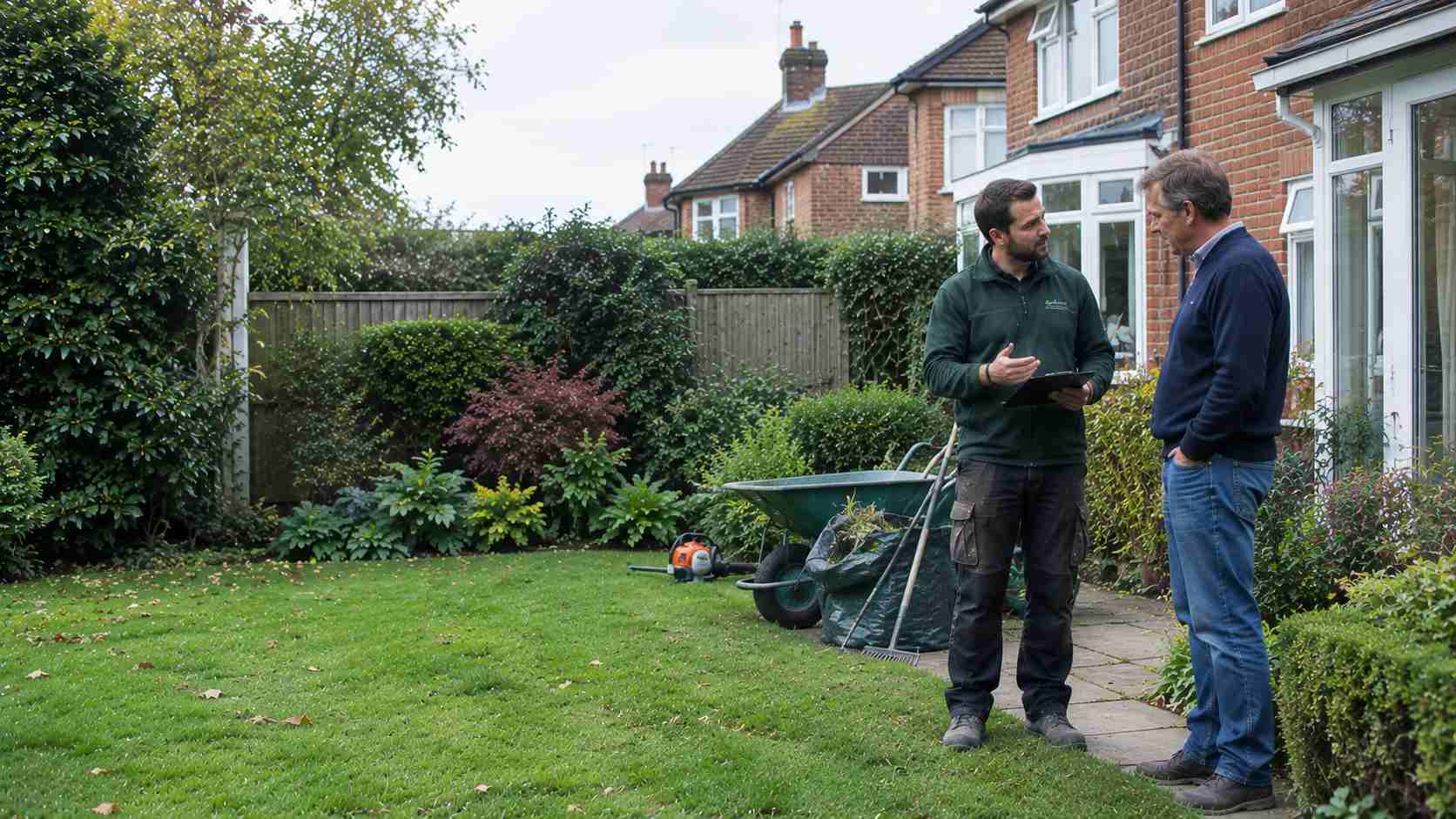
The most reliable way to land on the right frequency is a proper assessment of the specific garden, its size, planting, lawn condition and how it's used, rather than guessing based on a generic recommendation. Larger, more established gardens, common in areas like Walton-on-Thames and other spacious plots along the river, often benefit from a more tailored, seasonally adjusted schedule given the range of planting and lawn area typically involved, while more compact gardens, like many found around Chelsea, can often run well on a lighter, less frequent visit pattern.
Our Garden Maintenance service starts with exactly this kind of assessment, matching visit frequency to what your specific garden needs rather than applying a standard package that's either more than necessary or not quite enough. For gardens that also need hedge work or lawn renovation as part of getting properly on track, our Hedges, Pruning & Planting and Lawn Installation & Turfing services can be brought in alongside a maintenance schedule as needed.
Frequently asked questions
Most gardens with a lawn and mixed planting benefit from weekly or fortnightly visits through the peak growing season, since growth is fastest and mowing, weeding and deadheading are needed most regularly during this period.