Hedges · 10 min read
Winter Tree Pruning in London: When It's Safe to DIY and When You Need Permission
By House of Horticulturists · 30 October 2026
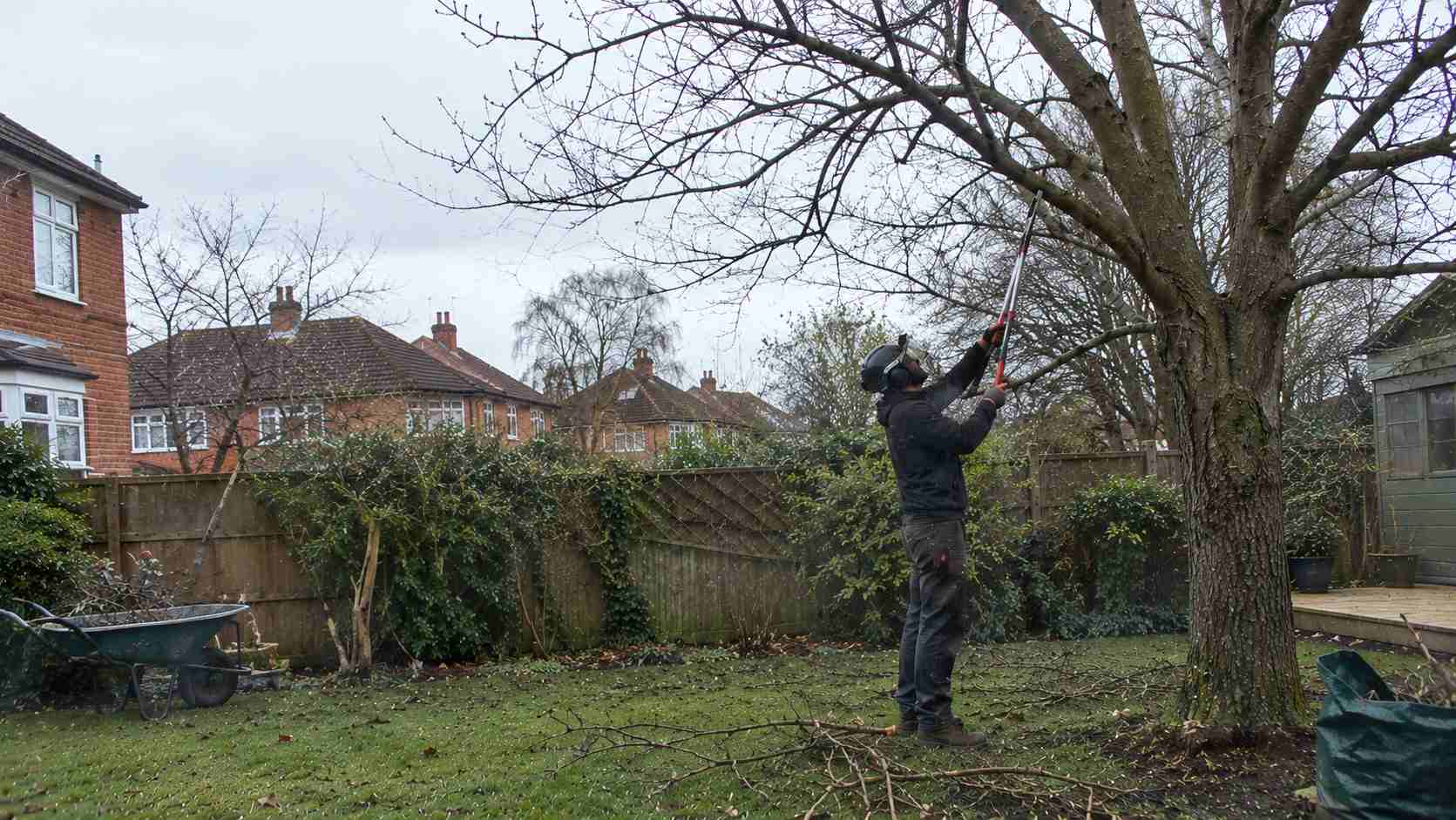
Winter is one of the best times to prune many trees. Leaves have dropped, the structure is easy to see, and most trees are dormant, so cuts cause less stress. But tree work in London isn't always as simple as picking up a pruning saw. Many trees are protected by Tree Preservation Orders, large parts of the capital sit in conservation areas, and there are separate legal protections for nesting birds and bats. Getting it wrong can mean a criminal offence, a substantial fine or a damaged tree. This guide explains when winter pruning makes sense, which jobs are reasonable to do yourself, when you need permission or notice, and when to call a qualified professional. It's general information rather than legal advice, so always confirm requirements for your own tree with your local council.
Why winter is a good time to prune
For most deciduous trees, the dormant season from late autumn to late winter is an ideal window. Without leaves, you can see the branch structure clearly, spot crossing, rubbing or dead branches, and plan cuts properly. Trees are also less active, so they tend to cope well with pruning, and there is less disturbance to wildlife than in the nesting season.
It also fits neatly into the wider seasonal routine. Our autumn checklist for preparing your garden for winter and guide to what to prune in August and September show how pruning sits alongside other seasonal jobs.
Trees you shouldn't prune in winter
Winter isn't right for every tree. Some trees, including birch, maple and walnut, bleed sap heavily if cut in late winter and spring, so they're usually pruned in late summer or early autumn. Stone fruit trees such as cherry and plum are generally better pruned in summer, since winter cuts can increase the risk of disease. Evergreens and some flowering trees and shrubs have their own best times, and pruning a spring-flowering tree in winter can remove next year's blossom.
If you're unsure what species you have or when it should be pruned, it's worth checking before cutting, since the wrong timing can harm the tree.
Tree Preservation Orders: the first thing to check
A Tree Preservation Order, usually shortened to TPO, is made by the local council to protect specific trees, groups or woodlands. In general terms, cutting down, topping, lopping, uprooting or damaging a protected tree without consent is an offence, and penalties can be serious. Even routine pruning can need permission if it counts as lopping or topping.
TPOs are common in London, particularly in leafy areas and on older plots. You can usually check whether a tree is protected through your borough's planning or tree officer pages, or by contacting the council directly, and you should do this before any work, not after.
Conservation areas and notice periods
Trees in conservation areas are also protected, even if they don't have a TPO. In general terms, anyone planning to cut down or carry out certain work on trees above a certain size in a conservation area must give the council notice before starting, and the council then has a set period to decide whether to make a TPO. The thresholds and notice periods are set out in national rules and can be amended, so confirm the current position with your council.
Many parts of London sit within conservation areas, including areas such as Richmond, Kensington and Wimbledon, so it's worth checking your property's status early. Our guide to permitted development rights for gardens explains how designations like these affect what you can do.
Dead, dying or dangerous trees
There are exemptions for trees that are dead, dying or dangerous, but they usually come with conditions, such as giving the council notice or being able to show the condition of the tree. Because the rules are specific, it's safest to contact the council before removing a protected tree, even if you believe it's unsafe, unless there's an immediate emergency. If a tree has been damaged in a storm, our guide to storm-damaged fences and garden structures explains how to stay safe and what to do first.
Birds, bats and wildlife
Wild birds and their active nests are protected by law, and bats and their roosts are strictly protected. Winter pruning avoids the main nesting season, which is one of its advantages, but it's still worth checking for nests, roosting bats and other wildlife before cutting. If you find a bat roost, stop work and seek advice from a suitable organisation before continuing.
Pruning can also support wildlife when done thoughtfully, and our guide to making your garden more wildlife-friendly explains how to keep gardens tidy while leaving food and shelter.
What you can reasonably do yourself
- ›Remove small, dead or broken branches within easy reach, working from the ground with hand tools.
- ›Prune young trees to form a good structure, a job best done lightly and over several years.
- ›Trim small, non-protected trees and shrubs at suitable times of year.
- ›Tidy fallen branches and clear debris, as covered in our guide to leaf clearance.
- ›Use clean, sharp tools and make cuts just outside the branch collar, rather than flush to the trunk.
When to call a professional
- ›Any work at height or requiring a ladder, climbing or a chainsaw.
- ›Large limbs, heavy branches or anything under tension.
- ›Work near buildings, boundaries, power lines or other hazards.
- ›Trees that are large, old, leaning, diseased or in poor condition.
- ›Any tree you believe is protected, or where you're unsure of the rules.
- ›Reducing, thinning or shaping mature trees, which needs skill to avoid harming the tree.
General pruning principles
A few principles apply to most trees. Remove dead, diseased and crossing branches first. Avoid taking off too much of the crown at once, since heavy pruning can stress a tree, and avoid topping, which leaves weak, regrowing shoots and large wounds. Make clean cuts at the right point, and use proper techniques for heavier limbs. Our guide to pruning wisteria shows how timing and technique apply to climbers, and the same care applies to trees.
Hedges, shrubs and smaller trees
Smaller trees, shrubs and hedges are easier to prune safely and often don't carry the same legal protections, though nesting birds and any local conditions still apply. Our guides to choosing the right hedging plant and planting for privacy explain how hedges fit into the garden, and our guide to the signs a garden has been neglected covers how to bring overgrown planting back under control.
Getting the right help in London
Our Hedges, Pruning & Planting service handles pruning of shrubs, hedges and smaller trees across south west London and Surrey, and can advise on timing and technique. For larger or protected trees, we'd recommend a qualified arborist, and checking their insurance and qualifications first. Our Garden Maintenance plans can include seasonal pruning, our Pressure Washing & Waste service can remove green waste, and our Garden Design & Landscaping service can plan planting around existing trees. This is general information only, so please check the rules for your own tree with your local council before starting any work.
Frequently asked questions
It depends. Trees protected by a Tree Preservation Order, or trees in a conservation area, usually need consent or notice before work. Check with your local council before cutting.