Garden Rooms & Sheds · 9 min read
Garden Room Ideas: Home Office, Studio or Gym?
By House of Horticulturists · 7 July 2026 · Updated 24 September 2026
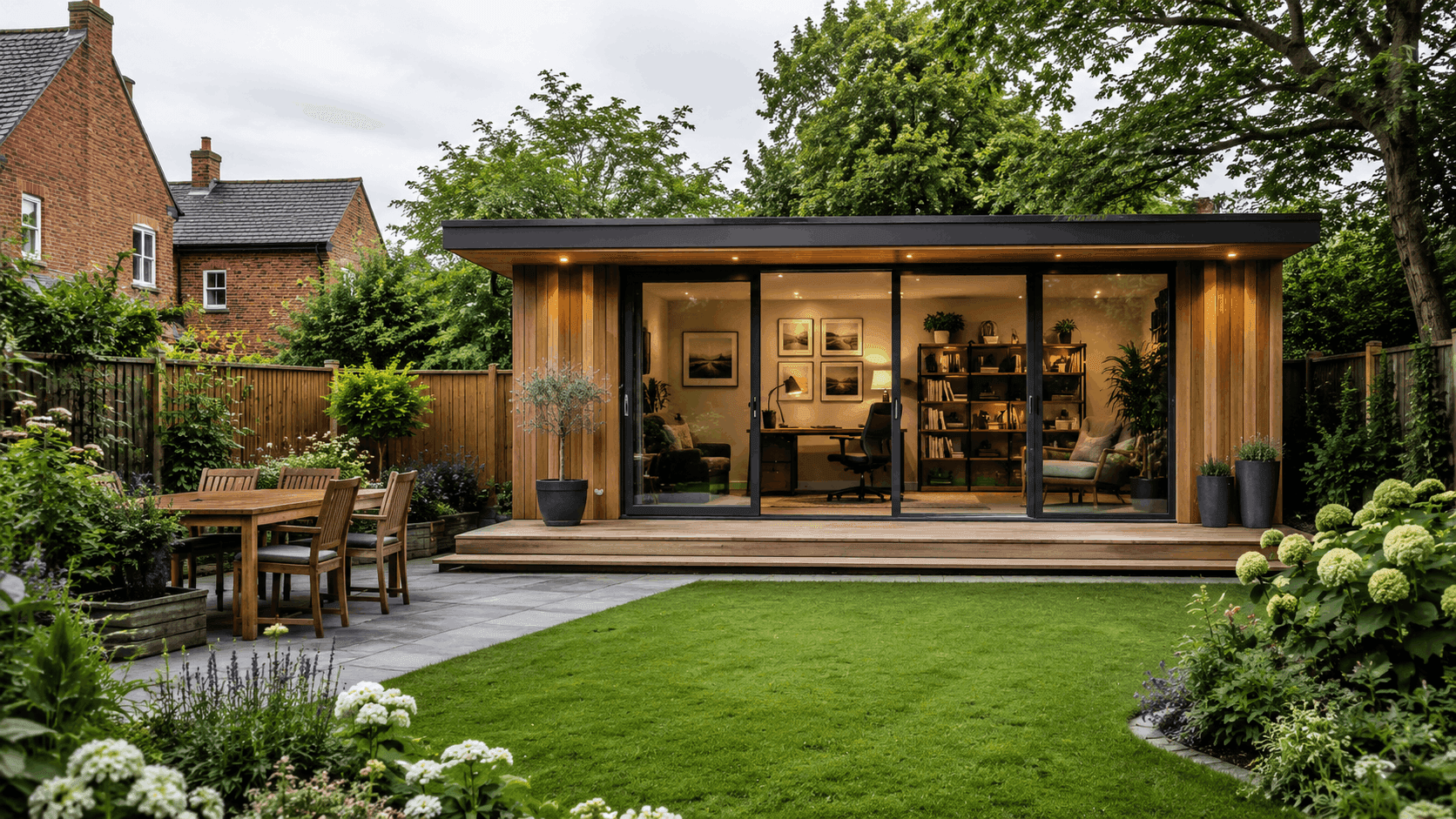
A garden room has become one of the most popular ways to add genuinely usable space to a home without the cost, disruption and planning complexity of a full extension. Whether it's a proper home office separate from the distractions of the house, a creative studio with its own light and atmosphere, or a dedicated gym that doesn't eat into a spare bedroom, the right garden room design depends entirely on how it'll actually be used day to day. Here's how to plan each of the most popular uses properly, so the finished space genuinely gets lived in rather than becoming an expensive storage overflow within a year.
Home office garden rooms
A dedicated home office remains the single most common reason people invest in a garden room, and for good reason, a genuine physical separation between work and home life makes a real difference to both focus during the day and the ability to properly switch off once the day is done. The essentials here are proper insulation and heating for year-round use, since a home office that's only comfortable half the year quickly falls back into being an occasional-use space, along with reliable power for a full desk setup and enough natural light to avoid feeling like a windowless box.
Soundproofing is worth genuine consideration too, particularly for video calls, a garden room positioned away from road noise and with decent acoustic insulation built into the walls makes a noticeable difference to daily usability. Storage is easy to overlook at the design stage but matters enormously in practice, built-in shelving or a dedicated storage zone keeps a small office space from feeling cluttered within a few months of actual use.
Studio and creative space garden rooms
Art studios, music rooms and craft spaces have quite different priorities to an office, light quality often matters more than almost anything else, with many creative uses benefiting from larger windows or roof glazing to bring in consistent, natural daylight throughout the day. A north-facing aspect is often specifically preferred for art studios, since it gives more even, less harshly changing light than direct sun through the day.
Music rooms have their own considerations entirely, acoustic treatment and sound insulation matter considerably more here than in an office, both to protect the sound quality inside and to avoid disturbing neighbours, particularly relevant on more closely built residential streets. Flooring choices also vary by creative use, a durable, easy-clean surface suits craft and art use far better than carpet, which shows stains and wear quickly under this kind of regular activity.
Garden gym ideas
A dedicated garden gym has grown considerably in popularity, offering a genuinely private space for exercise without commuting to a gym or giving up a room inside the house permanently. Ventilation is the most critical practical consideration here, a garden gym generates far more heat and humidity during use than an office or studio, so proper airflow, whether through windows, vents or an extractor, is essential rather than optional.
Flooring needs to handle equipment weight and impact, rubber gym flooring is the standard choice, both protecting the subfloor and providing a safer surface for training than standard laminate or timber. Mirrors are worth including for form-checking during strength training, and it's worth planning electrical capacity properly from the outset if the gym will include anything power-hungry, like a treadmill or specific cardio equipment, rather than assuming standard sockets will suffice.
Getting the specification right for year-round use
Whatever the intended use, a garden room genuinely used throughout the year needs proper insulation in the walls, roof and floor, double glazing, and reliable heating, without this specification, most garden rooms become fair-weather spaces used enthusiastically for a few months before quietly falling out of regular use once the weather turns. This is exactly the distinction covered in our comparison of sheds, summerhouses and garden rooms, a genuine garden room needs a meaningfully higher specification than a summerhouse if it's going to be used comfortably in January as much as July.
Electrical capacity is worth planning properly from the start too, a simple office with a laptop and monitor needs far less power than a gym with cardio equipment or a studio running power tools or music equipment, and retrofitting additional electrical capacity later is considerably more disruptive than specifying it correctly from the outset.
Design considerations that make a real difference
- ›Orientation and window placement, matched to the specific use, north light for art, direct sun for a relaxed studio, minimal glare for a screen-based office.
- ›Storage built in from the design stage, rather than an afterthought once the space is already in use and feeling cluttered.
- ›Flooring chosen for the specific activity, durable and easy-clean for creative or gym use, comfortable underfoot for an office.
- ›Acoustic considerations, particularly for music, video calls, or any use where noise either needs containing or excluding.
- ›A clear, sheltered path from the house, since a garden room used daily needs comfortable, weatherproof access, not just a nice view from indoors.
- ›Connectivity, whether that's a reliable Wi-Fi signal or a wired connection run alongside the electrics during construction.
Sizing a garden room for its intended use
Size needs matching realistically to function rather than simply fitting whatever space is available. A single-person office can work well in a genuinely compact footprint, while a home gym needs enough clear floor space for actual movement, not just equipment storage, and a studio benefits from extra space around a working area for materials and movement rather than a tightly fitted single-purpose room.
It's worth thinking honestly about future flexibility too, a garden room built purely around today's specific need can become awkward to repurpose later, while slightly more generous proportions and a simpler, more adaptable layout tend to serve better over the years as needs inevitably change.
Planning and practical considerations
Many garden rooms fall under permitted development, meaning planning permission isn't automatically required, though this depends on size, height and proximity to boundaries, and it's worth checking current requirements for your specific property before committing to a design rather than assuming exemption. Structures intended for genuine residential-style use, particularly anything approaching the specification of a habitable room, can attract closer scrutiny around building regulations, especially concerning electrics and insulation.
Base preparation and access for construction materials also deserve early consideration, a garden room in a hard-to-reach part of the garden, or one requiring materials moved through a house, affects both cost and the practical build process, worth discussing with whoever's carrying out the work before finalising a design.
Bringing your garden room to life
The best garden rooms are planned around genuine daily use rather than an idealised vision that doesn't match how the space will actually function once the novelty wears off. Whether it's the growing demand for home offices we're seeing across professional households in areas like Kensington, or family homes near Teddington increasingly looking for dedicated gym or studio space that doesn't compromise living space indoors, the same principle holds, specify properly for the intended use from the start rather than compromising and hoping to adjust later.
Our Garden Rooms & Sheds service covers the full design and build process, from a simple, well-insulated office through to a fully specified studio or gym space, and we can talk through layout, orientation and specification based on exactly how you intend to use it. For anyone planning a garden room alongside wider changes to the rest of the garden, access, planting or a new patio nearby, our Garden Design & Landscaping service can plan it all in as one coherent scheme rather than an isolated addition.
Frequently asked questions
A single-person office can work well in a genuinely compact footprint, though it's worth allowing enough space for storage and comfortable movement around the desk rather than the tightest possible layout, which tends to feel cramped for daily use.