Garden Rooms & Sheds · 10 min read
How Much Does a Garden Shed Cost? A Realistic Price Guide
By House of Horticulturists · 29 August 2026
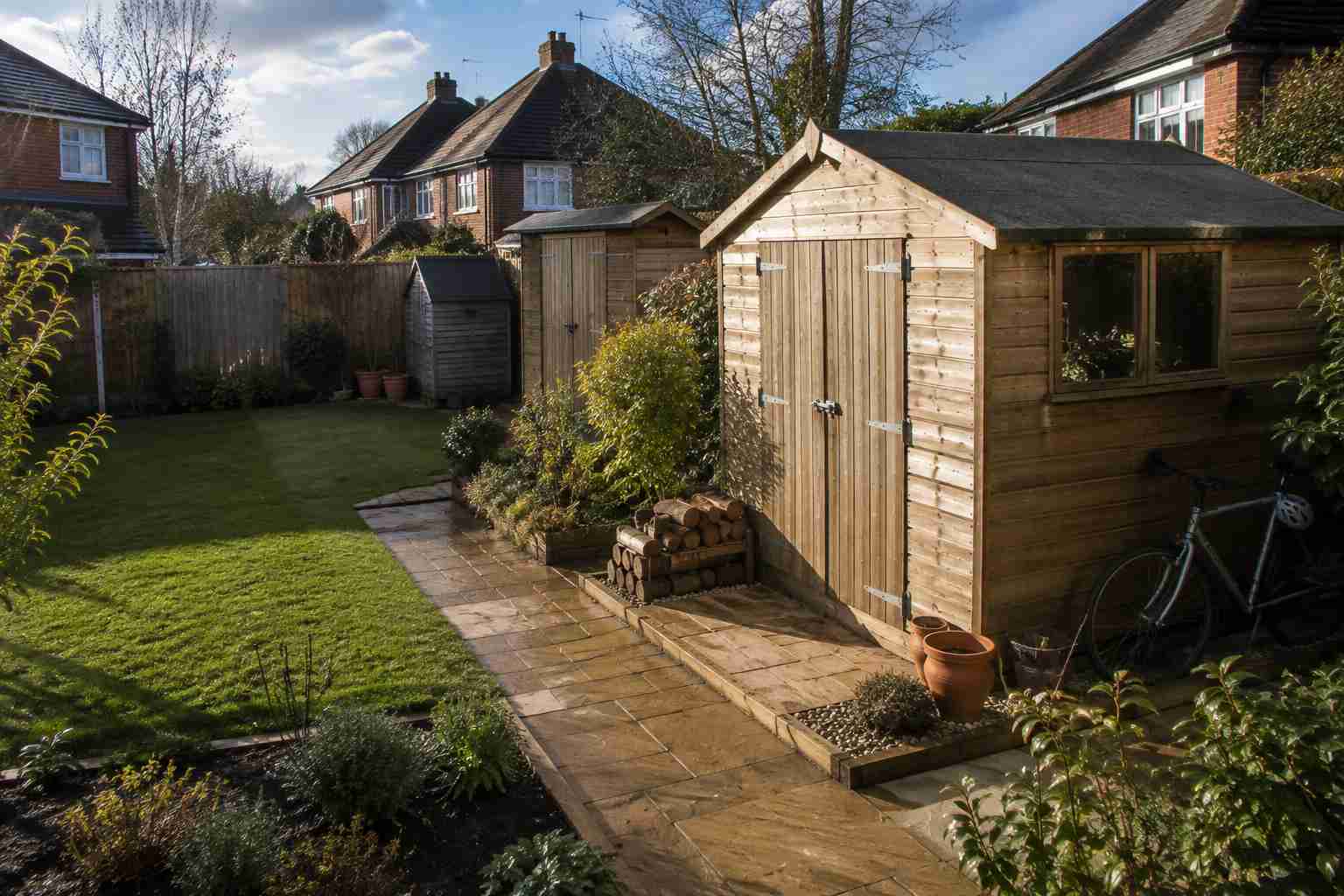
Shed prices vary more than almost any other garden purchase, a basic flat-pack storage box and a fully insulated, powered garden room used as a home office both technically fall under the same word, but sit worlds apart in price. Understanding what actually drives shed cost, size, material, base, installation and any additional fit-out, means you can budget realistically and spot straight away whether a quote reflects genuine value or is cutting corners somewhere you can't see until it's too late.
Why shed prices vary so much
A shed's price is shaped by far more than its footprint. Size is an obvious factor, but material, roof type, whether it's insulated and powered, the base it sits on, and delivery and installation access all move the price considerably, sometimes more than the size of the shed itself. Two sheds that look similar in a catalogue photo can carry very different price tags once you factor in timber thickness, cladding quality and the base specification underneath.
It's also worth separating the shed itself from the total project cost. The unit price quoted online rarely includes the base, and often doesn't include delivery, assembly or any electrics, all of which can add a substantial amount to the final figure, so it's worth budgeting for the complete project rather than just the shed advertised.
Cost by size
Smaller sheds, generally used for basic storage such as tools, mowers and garden equipment, sit at the lower end of the price range, and cost tends to rise fairly predictably as floor area increases, though not always in a straight line, larger sheds often need more substantial framing and roof structure, which adds cost beyond simple material quantity.
Once a shed moves beyond simple storage into something people actually spend time in, a workshop, a home office, a small studio, the price jumps considerably, reflecting the additional structural specification, insulation and finishing needed to make a space genuinely comfortable to use rather than just weatherproof.
Cost by material
Timber sheds remain the most popular choice and sit across a wide price range depending on the thickness and quality of the timber, thin overlap cladding sits at the affordable end, while thicker tongue-and-groove or shiplap construction costs more but lasts considerably longer and copes better with weather.
Metal sheds are generally more affordable than timber for pure storage use and need very little maintenance, though they can suffer from condensation issues without proper ventilation and don't offer the same aesthetic warmth as timber. Plastic or resin sheds sit at a similar or slightly lower price point to metal, and their main appeal is being essentially maintenance-free, though they're generally best suited to smaller storage sheds rather than larger structures or anything intended for regular use as a working space.
The cost of a proper base
A shed base is very often the most underestimated part of the total cost, and it's genuinely not optional if you want the shed to last. Concrete, paving slabs and a properly compacted gravel base with a timber frame are the most common options, and cost depends on ground conditions, size, and how much groundwork and levelling is needed beforehand.
Skipping a proper base, or relying on the ground as it comes, is one of the most common ways people end up spending more overall, a shed sitting on uneven or poorly draining ground will warp, rot at the base, or develop damp problems considerably faster than one on correctly prepared ground, turning a modest saving now into a bigger repair or replacement cost within a few years.
Roofing and additional specification
Roofing material affects both cost and longevity. Standard roofing felt is the most affordable option but has the shortest lifespan and needs replacing periodically, while shingle or metal roofing costs more upfront but lasts considerably longer and needs far less attention over the shed's life. Additional glazing, double doors, extra windows or a specific paint or stain finish all add incrementally to cost but can make a real difference to how much use and enjoyment you get from the space.
For anyone considering insulation and power, whether for a home office, a garden gym or a hobby studio, this is where cost increases most significantly, insulated walls, a proper floor build-up, electrical first fix and consumer unit connection, and often double glazing all add up, but they're also what makes the difference between a shed that's usable purely in summer and one that's genuinely comfortable year-round.
Delivery, access and installation
Installation cost depends heavily on site access, a shed that can be delivered and built with a vehicle parked right beside the plot costs considerably less to install than one needing materials carried through a house or over a long distance by hand, a common consideration for the terraced and courtyard gardens found in areas like Fulham and Kensington, where side access is often limited or non-existent.
Larger, more substantial plots, the kind more typical around Chelsea or Richmond, tend to have more straightforward vehicle access, which can meaningfully reduce installation cost even before accounting for the shed itself, worth factoring in when comparing quotes across different sizes of property.
Garden rooms: a different cost category entirely
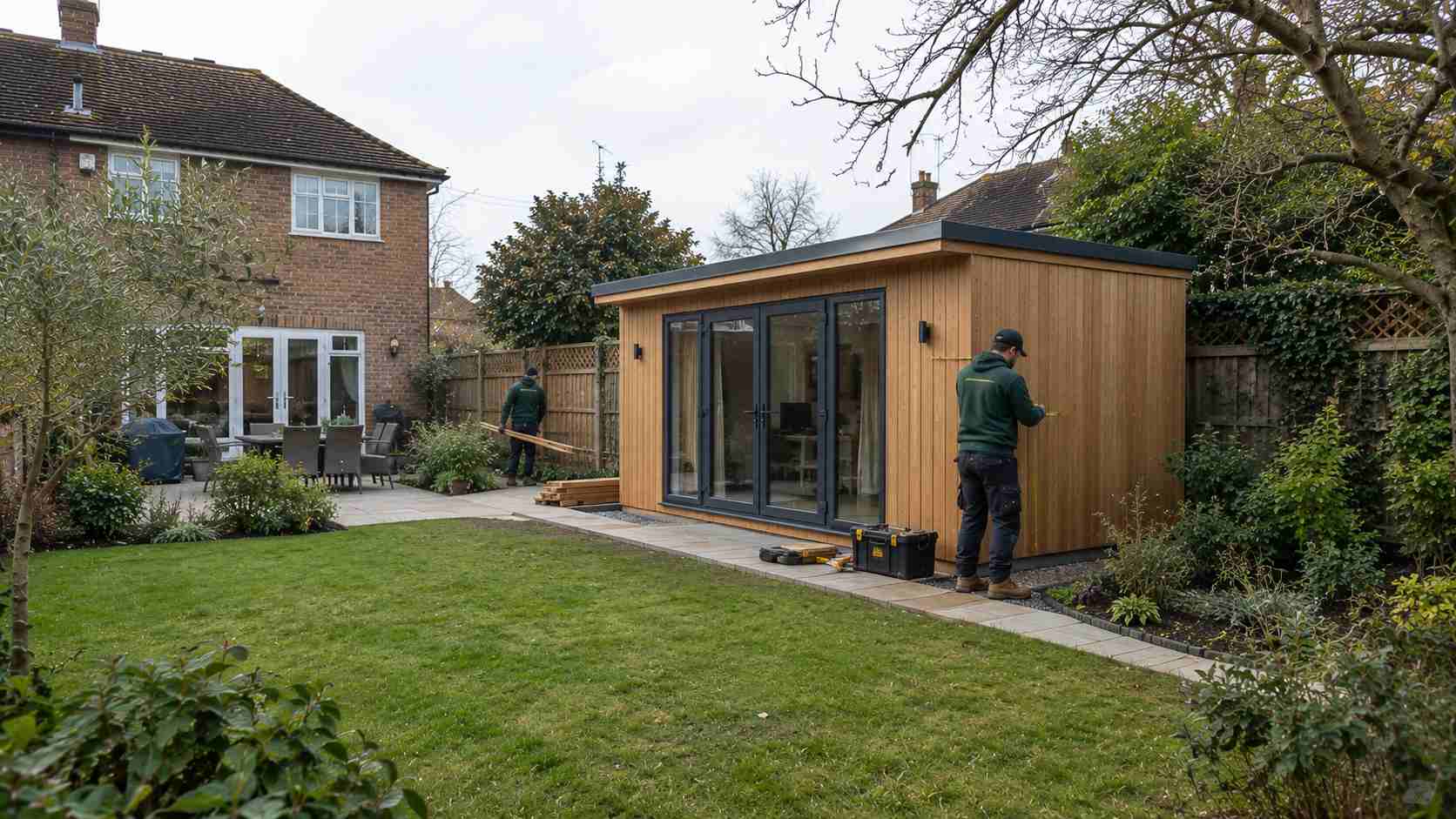
A fully specified garden room, insulated, powered, often with proper glazing and internal finishing, sits in a genuinely different cost category to a basic storage shed, closer to a small extension than a garden purchase. This reflects the additional structural specification, the electrical and often plumbing work involved, and the level of finish expected of a space meant for daily use as a home office, studio or gym.
Our Garden Rooms & Sheds service covers this full range, from a straightforward storage shed on a simple base through to a fully insulated, powered garden room, and we can give an accurate figure once we know the intended use, size and your garden's specific access, since these details affect cost more than almost any other factor.
Extra costs people forget to budget for
- ›Planning permission or building regulations checks, relevant mainly for larger structures or those close to a boundary, worth confirming before ordering.
- ›Base preparation and groundwork, very often quoted separately from the shed itself and easy to underestimate.
- ›Delivery and site access charges, particularly for larger sheds or gardens with restricted access.
- ›Guttering and drainage, worth considering for larger sheds to stop rainwater pooling against the base.
- ›Ongoing maintenance costs for timber sheds specifically, treatment and occasional repairs over the shed's lifetime.
Why cheap sheds can cost more in the long run
A very low-cost shed almost always means thinner timber or cladding, a less robust roof structure, and often no base included at all. These savings are invisible on delivery day but show up within a few years as warping, leaking roofs, rot at ground contact points, or a structure that simply doesn't last as long as a slightly more expensive, better-specified option would have. As with hard landscaping, the parts you can't easily inspect, timber thickness, joint quality, base preparation, are usually where a cheap price has been achieved.
It's worth thinking about total cost over the shed's realistic lifespan rather than the upfront figure alone, a well-built shed on a proper base, correctly maintained, can easily outlast two cheaper replacements, and cost less overall in the process.
How to get an accurate shed quote
Be specific about intended use from the start, storage, workshop, home office or studio all carry very different specification requirements and therefore very different costs, so it's worth being clear upfront rather than adjusting expectations partway through a quote. Confirm exactly what's included, base preparation, delivery, assembly, guttering and any electrical work are all worth asking about explicitly, since these are the areas most often left out of a headline price to make it look more competitive.
For anything beyond a simple storage shed, or where the shed is part of a wider garden project alongside new planting, a patio or a full redesign, it's often worth looking at the project together rather than in isolation. Our Garden Design & Landscaping service can plan a new shed or garden room in alongside the rest of the garden from the outset, so access, levels and planting all work together rather than the shed being squeezed in as an afterthought.
Frequently asked questions
Basic timber, metal or plastic storage sheds sit at the more affordable end of the market, with cost rising in line with size, timber thickness or cladding quality. The base isn't usually included in the shed's advertised price, so it's worth budgeting for that separately.