Garden Maintenance · 9 min read
Signs Your Garden Has Been Neglected, and How to Bring It Back
By House of Horticulturists · 22 September 2026
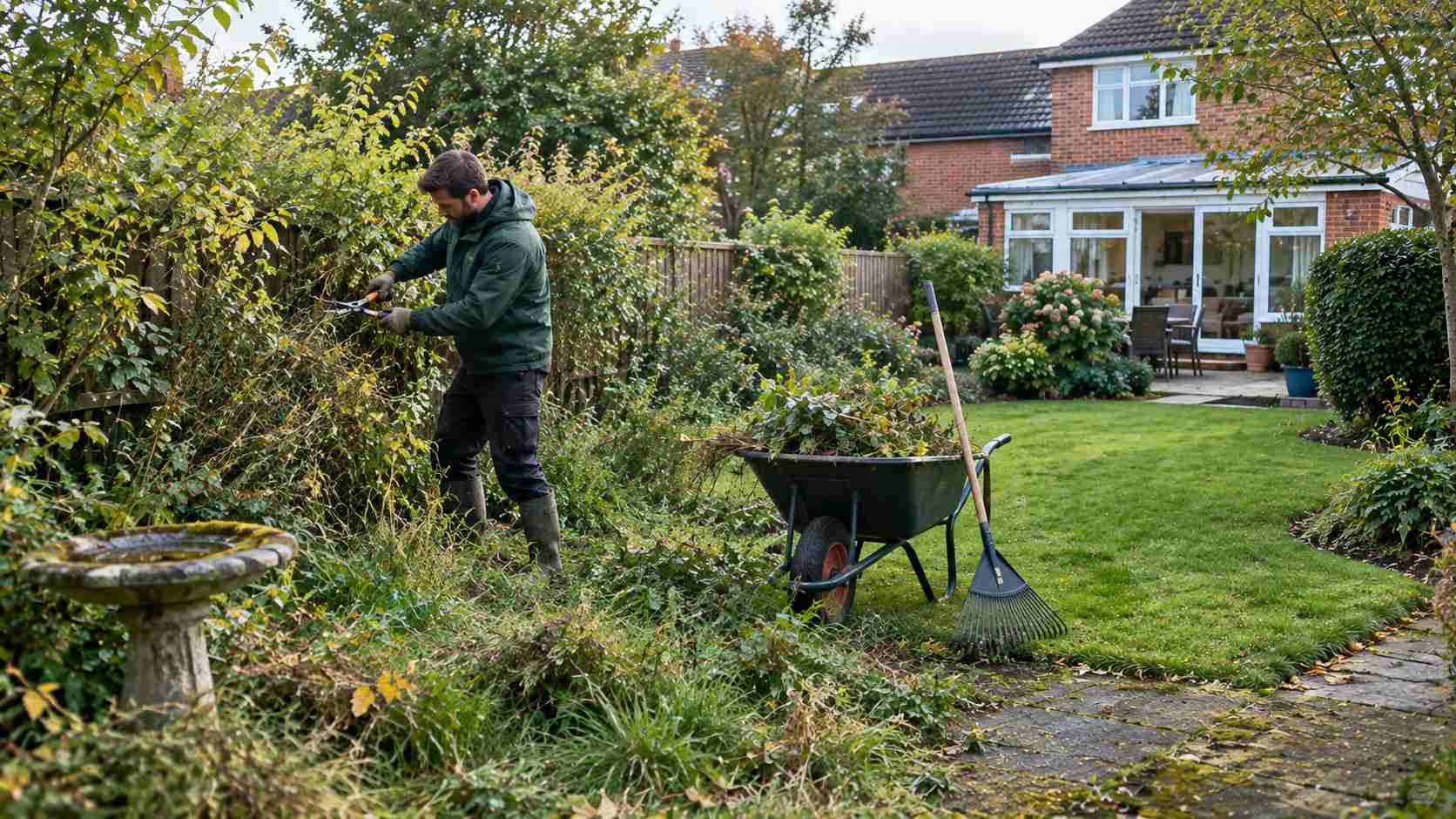
Garden neglect rarely happens all at once, it creeps in gradually, a few missed weekends become a few missed months, and by the time it's genuinely obvious, bringing things back under control feels like a far bigger job than it would have been if caught earlier. The good news is that most neglected gardens are entirely recoverable, and knowing the early warning signs, along with a sensible plan for bringing things back, makes the difference between a manageable weekend project and a genuinely daunting overhaul.
Early signs worth catching before they escalate
- ›Weeds establishing in borders and between paving, especially anything starting to flower and set seed, which multiplies the problem considerably at each generation left unchecked.
- ›The lawn looking patchy, thin or increasingly mossy, often the first visible sign that regular mowing and care have lapsed.
- ›Hedges and shrubs losing their shape, growing noticeably beyond their intended size or boundary.
- ›Borders looking bare or overtaken, either through lack of new planting or perennial weeds and self-seeded plants crowding out what was originally there.
- ›A general sense of the garden looking "tired" rather than any single obvious problem, often the earliest and easiest-to-miss sign of all.
More advanced signs of neglect
- ›Significant moss coverage across the lawn, a sign covered in detail in our guide to why moss takes over a lawn, usually meaning underlying drainage or compaction issues alongside the lack of regular care.
- ›Overgrown hedges that have lost their internal structure, sometimes to the point where cutting back to size risks exposing bare, leafless wood inside.
- ›Self-seeded trees or shrubs establishing in borders or against boundaries, which can cause genuine structural problems if left long enough to develop substantial root systems.
- ›Hard landscaping showing neglect too, algae-covered patios, weeds establishing in paving joints, and cracked or uneven surfaces that were never addressed.
- ›Drainage problems becoming visible, standing water, boggy patches or a lawn that stays wet for days after rain, often a sign that routine aeration and maintenance stopped some time ago.
Why gardens end up neglected
Neglect rarely reflects a lack of care about the garden, it's usually life simply getting busier, a change in circumstances, health, work demands, or moving into a property with an existing garden that was never quite under control to begin with. Understanding this matters because it removes any sense of embarrassment from the recovery process, a neglected garden is an extremely common, entirely fixable situation, not a reflection of anything gone wrong.
It's also worth recognising that some gardens were simply never designed with realistic maintenance in mind, elaborate planting schemes or high-upkeep features that suited someone's aspirations more than their actual available time. Recovery is sometimes as much about redesigning for a maintainable garden as it is about restoring the original design.
Assessing the scale of what needs doing
Before diving in, it's worth properly assessing what's actually needed rather than starting randomly. Separate genuine structural problems, dead trees, failing fences, significant drainage issues, from cosmetic neglect, overgrown hedges, weedy borders, a patchy lawn, since the two need very different approaches and timeframes. Structural issues generally need addressing first, there's little point tidying borders around a fence that's about to fall down.
It's also worth being realistic about what can be tackled over a weekend or two versus what genuinely needs a proper, planned clear-up, a garden neglected for a single season is usually a manageable DIY project, while one left for several years often benefits from professional help to bring it back efficiently rather than spending months on it piecemeal.
A sensible order of recovery
- ›Clear the worst of the overgrowth first, brambles, self-seeded growth and anything blocking access, so you can actually see and reach the rest of the garden properly.
- ›Deal with hedges and shrubs next, cutting back to a manageable size, accepting that a hard prune may look stark initially but recovers within a season or two.
- ›Tackle the lawn, scarifying, removing moss and overgrowth, and overseeding bare patches once the worst of the surrounding mess is cleared.
- ›Address borders, removing established weeds fully rather than just cutting them back, and deciding what existing planting is worth keeping versus starting fresh.
- ›Assess and repair hard landscaping last, once the softer, greener elements are under control, it's easier to see what patios, paths and structures actually need.
When DIY recovery works, and when it doesn't
A garden neglected for a season or two, with the core structure, lawn, hedges, beds, still fundamentally intact underneath the overgrowth, is often a genuinely manageable DIY project tackled over several weekends. The main investment is time and physical effort rather than specialist skill, most recovery jobs at this stage are straightforward cutting back, weeding and tidying rather than anything technically demanding.
Longer-term neglect, several years or more, often involves problems that go beyond straightforward tidying, hedges that need careful, staged renovation pruning to avoid killing them outright, drainage issues that need proper diagnosis, or hard landscaping that's actually failed rather than just looking tired. At this point, professional assessment tends to save both time and the risk of doing more harm than good through well-intentioned but poorly informed DIY attempts, our guide to reclaiming an overgrown garden goes into more detail on tackling more substantial overgrowth specifically.
Getting professional help for the bigger recovery jobs
For gardens where neglect has gone beyond a weekend project, our Garden Maintenance service can carry out an initial larger clear-up before transitioning into a manageable ongoing schedule, avoiding the cycle of falling behind and needing another major catch-up further down the line. Where hedges need careful renovation pruning rather than a straightforward trim, our Hedges, Pruning & Planting team can assess whether a hard cut back is appropriate or whether a more staged approach is needed to avoid damaging established plants.
Neglected hard landscaping, algae-covered patios, weed-filled paving joints, benefits from a proper clean through our Pressure Washing & Waste service, often revealing that the surface underneath is in far better condition than it initially appeared, sometimes it's simply years of grime rather than any structural problem. And where a lawn has deteriorated significantly, our Lawn Installation & Turfing service can advise on whether renovation or a fresh start makes more sense.
Preventing the cycle from repeating
The most important part of any recovery is what happens afterward, a garden brought back from neglect without a realistic ongoing plan tends to drift straight back into the same state within a season or two. This is really where our guide to how often a garden actually needs maintaining and what's typically included in a regular maintenance visit become genuinely useful, setting up a schedule matched to what the garden actually needs, and what you're realistically able to keep up with yourself, is what stops recovery becoming a repeating cycle.
This applies regardless of garden size or setting, a compact courtyard in Walton-on-Thames and a larger, more established garden around New Malden both benefit from exactly the same principle, a realistic, sustainable maintenance plan is what protects the investment made in bringing a neglected garden back, whatever scale that recovery happened to be.
Frequently asked questions
If the core structure, lawn, hedges and beds, is still fundamentally intact under the overgrowth, DIY recovery over several weekends is usually realistic. Signs it needs professional help include hedges that need careful renovation pruning, visible drainage problems, or hard landscaping that's actually failed rather than just looking tired.