Wildlife · 9 min read
How to Make Your Garden More Wildlife-Friendly
By House of Horticulturists · 18 August 2026
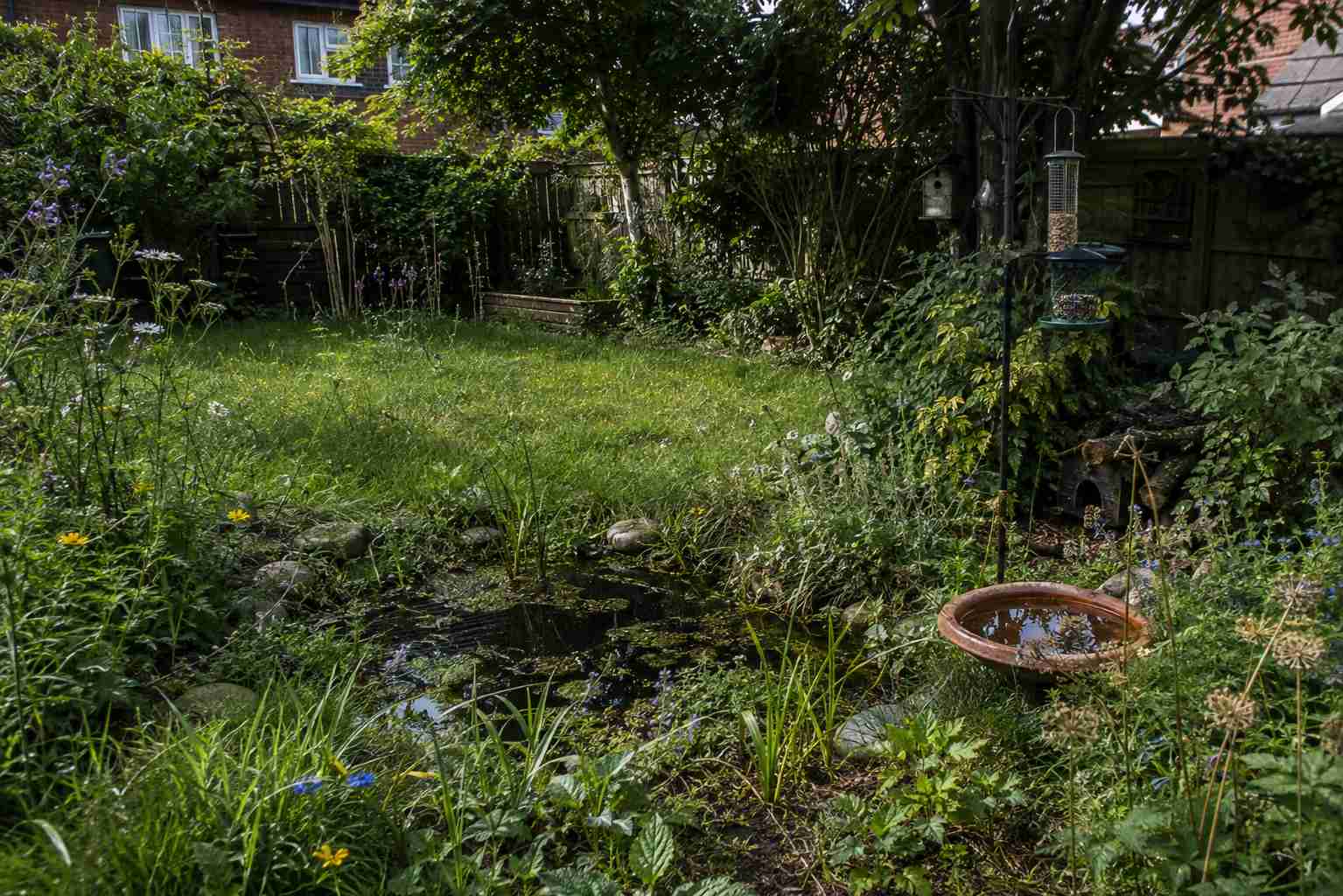
A wildlife-friendly garden isn't an untidy one, it's a thoughtfully planted and carefully timed one. Encouraging birds, insects and other creatures makes a garden more alive, more ecologically balanced, and genuinely more enjoyable to spend time in, and it's entirely possible to have a smart, well-kept garden that's also a haven for wildlife rather than having to choose between the two.
What wildlife actually needs
At its core, wildlife needs four things from a garden: food, water, shelter and safe routes through. Provide a genuine mix of planting across the seasons, a little standing water, and some undisturbed cover, and wildlife finds you reliably, there's no need to sacrifice a smart, well-kept garden to achieve it.
It's worth thinking of a garden as a small habitat rather than just a decorative space. Even compact, formal gardens can support a surprising range of birds, bees, butterflies and other insects if these four basics are covered somewhere within the design, they don't need to dominate the whole plot.
Planting for pollinators across the seasons
One of the most common mistakes in wildlife gardening is planting only for a single burst of summer colour, leaving pollinators with nothing in early spring or late autumn when they're most vulnerable. Aiming for something in flower from very early spring through to late autumn keeps a steady food source available across the whole active season rather than a brief glut followed by months of nothing.
Early flowering plants like crocus, hellebore and pulmonaria matter enormously for pollinators emerging from winter with low energy reserves, while late-flowering options like sedum, asters and ivy flowers support insects building up reserves before winter. Choosing single, open flowers over elaborate double varieties makes a real practical difference too, doubles often have their nectar and pollen-bearing parts bred out in favour of extra petals, so bees and other pollinators simply can't access what they need even when the flower looks abundant.
Easy wins
- ›Plant a range of flowers for nectar across the seasons, not just a single summer flush.
- ›Add a small water source, even a shallow dish or saucer helps birds and insects considerably.
- ›Leave one quieter, less-manicured corner for shelter, this doesn't need to be visible from the main garden.
- ›Choose single, open flowers over elaborate doubles, which pollinators struggle to access.
- ›Let a log pile or leaf pile overwinter somewhere out of sight, valuable shelter for insects, amphibians and hedgehogs.
- ›Include some native planting alongside ornamentals, native species generally support far more insect life than exotic cultivars.
Water: the quickest win of all
If you only make one change, water is usually the highest-impact option. Even a shallow dish, saucer or birdbath topped up regularly gives birds and insects a reliable source in dry weather, when natural water sources can be scarce. A proper wildlife pond goes further still, supporting amphibians, dragonflies and a much wider food web, but it's genuinely optional, a garden without space or appetite for a pond can still do a great deal of good with something as simple as a saucer of water kept clean and topped up.
Hedges beat fences for wildlife
If you're choosing a boundary, a mixed native hedge is dramatically better for wildlife than a solid fence, offering food, shelter and a genuine wildlife corridor all in one, something a fence panel simply can't replicate no matter how well maintained. Hawthorn, blackthorn, hazel and dog rose in particular combine spring blossom for pollinators, dense cover for nesting birds, and berries for autumn and winter feeding.
Our hedge planting work increasingly leans native and mixed for exactly this reason, and a well-designed garden can be both smart and genuinely alive, wildlife value and a polished finish aren't in conflict when the planting and layout are planned properly from the outset.
Maintenance with wildlife in mind
Timing matters more than effort when it comes to wildlife-friendly maintenance. Avoid cutting hedges during the main bird nesting season, leave some seed heads standing over winter as both a food source and shelter for overwintering insects, and go easy on chemical treatments, which can harm pollinators and other beneficial insects even when targeted at something else entirely.
A maintenance routine that works with the seasons, rather than applying the same schedule year-round, keeps the garden tidy and the wildlife genuinely welcome. The two goals aren't in competition, it's simply a matter of timing certain jobs around what wildlife needs at each point in the year rather than purely around what looks neatest that week.
Common wildlife gardening mistakes
- ›Over-tidying in autumn, removing all seed heads and dead stems strips away winter food and insect shelter that a garden would otherwise provide for free.
- ›Using pesticides and slug pellets liberally, which harm the same pollinators and predatory insects that would otherwise help control pests naturally.
- ›Choosing exotic double-flowered cultivars for every bed, leaving pollinators with little genuinely accessible nectar despite plenty of visible colour.
- ›Cutting hedges and shrubs during nesting season without checking for active nests first.
- ›Sealing every gap in fences and walls, small gaps at ground level are how hedgehogs and other ground-dwelling wildlife move safely between gardens.
Designing wildlife value into a new garden
The easiest time to build in genuine wildlife value is at the design stage, rather than trying to retrofit it into a finished layout later. Planning in a mixed native hedge instead of a fence, choosing a planting palette with year-round flowering, and setting aside even a small, quieter corner for undisturbed shelter all cost little extra when they're part of the original plan. This applies just as much in more formal, manicured gardens as informal ones, the two styles aren't mutually exclusive, and it's something we build into garden design and landscaping projects across all the areas we work in, from compact courtyards to larger plots like those around Fulham and Kensington, where mature trees and hedgerows already give a strong wildlife foundation to design around.
Frequently asked questions
No. A well-designed garden can be smart and wildlife-friendly at once, it's about plant choice, a little water, some shelter and sympathetic timing of maintenance, not abandoning tidiness altogether.