Garden Maintenance · 9 min read
Winter Pruning Guide: What to Prune Between December and February
By House of Horticulturists · 27 November 2026
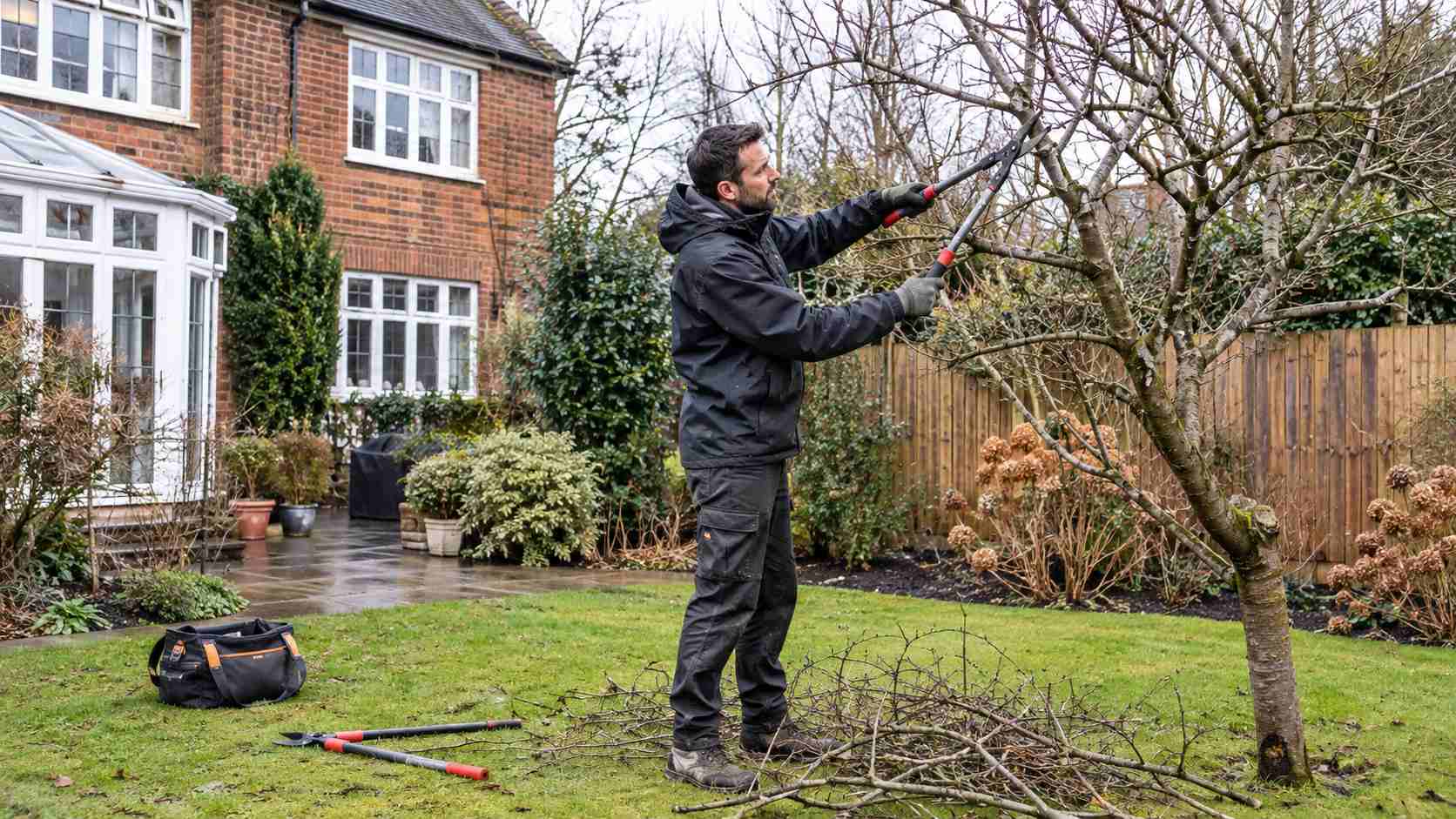
Winter is one of the most useful times of year for pruning. With the leaves gone, you can see the shape of trees and shrubs clearly, most plants are dormant, and there's time to do the job properly. But winter pruning is also where many mistakes happen, because some plants should never be cut at this time of year. This guide sets out what to prune between December and February, plant by plant and month by month, what to leave alone, and how to make cuts that heal well.
Why prune in winter?
- ›You can see the structure: bare branches make it easy to spot crossing, crowded or badly placed growth.
- ›Plants are dormant, so pruning causes less stress and the plant can respond strongly in spring.
- ›Many pests and diseases are less active, reducing the risk of infection through cuts for most plants.
- ›There's less else to do in the garden, so pruning gets the attention it needs.
What to prune in winter
These plants are typically pruned between December and February. Timing within that window matters for some of them, so check the notes.
- ›Apple and pear trees (free-standing): prune while dormant, from December to February, to remove dead or crossing wood, open up the centre and keep a good shape. Trained forms such as espaliers and cordons are mainly pruned in summer.
- ›Grapevines: prune in early winter, ideally by mid-January. Pruned later, they bleed sap heavily as it starts to rise.
- ›Wisteria: the second of its two annual prunes happens in January or February, cutting the summer-shortened shoots back to two or three buds. Our wisteria pruning guide explains the full method.
- ›Gooseberries, redcurrants and whitecurrants: prune in winter to an open, goblet shape, shortening side shoots to a couple of buds.
- ›Blackcurrants: remove around a third of the oldest stems at the base in winter to encourage new, fruitful growth.
- ›Autumn-fruiting raspberries: cut all canes down to the ground in February.
- ›Climbing roses: tidy and tie in during winter, cutting the side shoots that flowered back to two or three buds.
- ›Bush and shrub roses: prune in late winter, usually from late February into March, as buds begin to swell.
- ›Late-flowering clematis (group 3, such as viticella types): cut back hard in February to about 30cm above the ground, just above a healthy pair of buds.
- ›Buddleja and panicle hydrangeas (Hydrangea paniculata): cut back hard in late February or March.
- ›Overgrown deciduous shrubs and hedges: winter is the time for renovation pruning of deciduous hedging such as beech, hornbeam and hawthorn, and for cutting back overgrown deciduous shrubs, accepting some loss of flowers that year.
What not to prune in winter
- ›Plums, cherries, apricots, peaches and ornamental cherries: pruning in winter leaves them vulnerable to diseases such as silver leaf. Prune these in summer.
- ›Spring-flowering shrubs such as forsythia, flowering currant, weigela and philadelphus: they flower on last year's growth, so winter pruning removes this year's flowers. Prune them just after flowering.
- ›Early-flowering clematis (group 1, such as montana and armandii): prune after flowering, not in winter.
- ›Magnolias: these are best pruned in summer.
- ›Evergreen shrubs and hedges: generally prune in late spring or summer, as new growth after winter pruning can be damaged by frost.
- ›Lavender: don't cut it back hard in winter. Trim after flowering and lightly in spring.
- ›Mophead and lacecap hydrangeas: leave the old flower heads on over winter to protect the buds, then trim them off in early spring.
- ›Birch, maples (including acers) and walnut: these bleed sap if pruned from late winter into spring. If they need pruning, do it before the end of December, or wait until late summer.
Month by month
December: apple and pear trees, grapevines, gooseberries and currants, renovation of deciduous hedges and shrubs, and any essential work on birch or acers before the sap starts rising.
January: continue with apples and pears, finish grapevines by mid-month, carry out the winter wisteria prune, and tidy and tie in climbing roses.
February: cut back late-flowering clematis and autumn raspberries, and begin rose pruning towards the end of the month. Cut back buddleja, panicle hydrangeas, and deciduous grasses and old perennial stems that were left standing over winter, ahead of new growth.
How to make good cuts
- ›Start with the three Ds: remove anything dead, diseased or damaged first, then crossing or rubbing branches.
- ›Cut just above an outward-facing bud, with a slight slope away from the bud, so new growth heads outwards and water runs off.
- ›On larger branches, cut just outside the branch collar, the slightly swollen ring where the branch meets the trunk. Don't cut flush with the trunk, and don't leave long stubs.
- ›Remove heavy branches in stages to avoid tearing the bark.
- ›Most cuts don't need wound paint. A clean cut in the right place heals best on its own.
- ›Step back regularly to look at the overall shape. It's easy to take off too much.
Tools and conditions
Sharp bypass secateurs for stems up to finger thickness, loppers for thicker stems and a pruning saw for branches will cover most winter pruning. Keep blades sharp and clean, wiping them between plants to reduce the spread of disease.
Avoid pruning during hard frosts, when wood is brittle and cuts can be damaged. Wait for a milder, dry day. Our guide to protecting plants from frost covers what to do in a cold snap.
Trees, permissions and wildlife
Pruning larger trees is a different job. Before working on a tree, check whether it's protected by a Tree Preservation Order or stands in a conservation area, where most tree work needs six weeks' notice to the council. Work high up, near power lines or on large limbs should always be left to a qualified tree surgeon. Our guide to winter tree pruning in London explains the rules in detail.
Winter is outside the main bird nesting season, which is one reason it's a good time for hedge renovation, but always check before cutting dense growth, and be aware that bats can roost in old trees.
Getting help with winter pruning
Winter pruning is one of the main reasons people keep a gardener through the colder months, as explained in do you need a gardener in winter?. It's also a good time to plant new hedges with bare-root hedging and trees.
Our hedges, pruning and planting service covers shrub, fruit tree and hedge pruning, including in Richmond, Wimbledon, Esher and Cobham. Regular winter pruning is also included in our garden maintenance plans. If you'd like help this winter, get in touch.
Frequently asked questions
December is a good time to prune apple and pear trees, grapevines, gooseberries and currants, and to renovate overgrown deciduous hedges and shrubs. Any essential pruning of birch or acers should be done before the end of December.