Decking · 10 min read
How to Maintain Decking: Cleaning, Treating and Repairing Timber and Composite
By House of Horticulturists · 13 July 2026 · Updated 8 October 2026
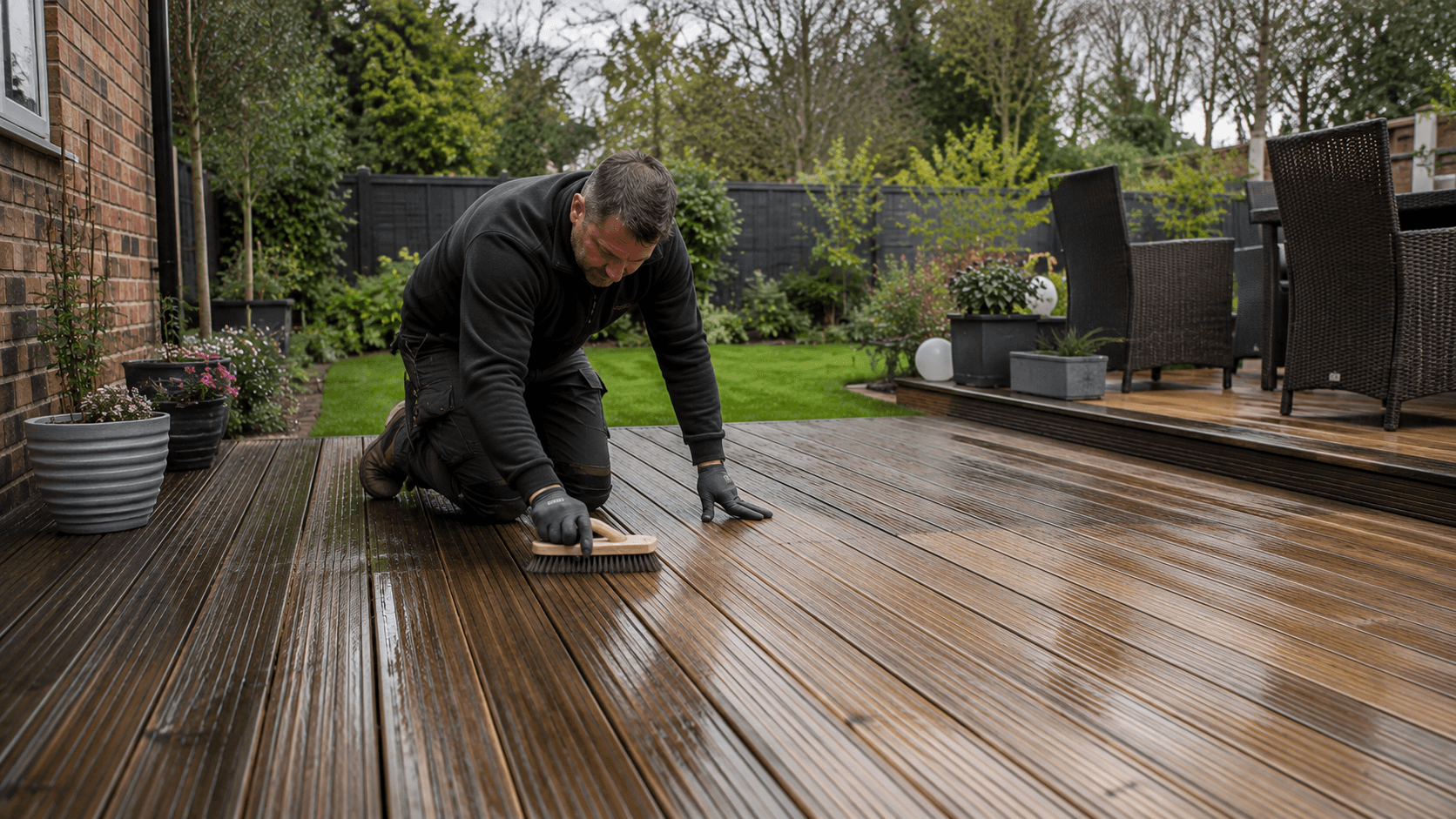
Decking has a reputation for being either effortless or a chore, and the truth depends almost entirely on the material and how it's looked after. Timber decking needs regular cleaning and protection to stay safe and attractive, while composite asks for far less but isn't entirely maintenance-free either. Whatever you have, a small amount of attention at the right times of year prevents the slippery algae, greying, splintering and rot that shorten a deck's life. Here's how to maintain both types properly, what to do each season, and when a problem is worth handing to a professional.
Why decking maintenance matters
A deck lives in the harshest conditions in the garden, fully exposed to rain, frost and sun, and often shaded or damp enough to encourage algae and moss. Left alone, a damp, algae-covered deck becomes genuinely slippery, which is a safety issue as much as a cosmetic one, and timber that's allowed to stay wet for long periods starts to soften, split and eventually rot.
The good news is that most of the damage is preventable. Regular, light maintenance costs far less time and money than the repair or replacement work that follows neglect, and it keeps the deck looking like an asset to the garden rather than a problem waiting to be dealt with.
Timber or composite: what each needs
Timber decking needs the most attention. It benefits from a thorough clean at least once a year, and a protective oil, stain or preservative applied on a regular schedule, typically every year or two depending on the product, the timber and how exposed the deck is. Without that protection, timber weathers to grey, absorbs moisture and becomes more prone to splintering and decay.
Composite decking is designed to need far less, with no staining or oiling required, but it still collects dirt, pollen and algae, particularly in shade, and benefits from regular cleaning with soapy water and a soft brush. Our comparison of composite vs timber decking covers how the two differ in cost, appearance and long-term upkeep if you're still deciding between them.
A yearly maintenance routine
- ›Spring: sweep off debris, give the deck a thorough clean to remove winter algae and grime, check for loose boards and fixings, and re-oil or re-stain timber if it's due.
- ›Summer: sweep regularly, wipe up spills promptly so they don't stain, and keep planters and furniture from sitting in one spot for months at a time.
- ›Autumn: clear fallen leaves promptly, since wet leaves left on a deck trap moisture and encourage algae and staining, as covered in our guide to leaf clearance.
- ›Winter: keep the deck as clear of leaves and standing water as practical, and treat ice carefully, using a non-corrosive approach rather than harsh chemicals on timber or composite surfaces.
How to clean decking properly
Start by sweeping the deck clean and clearing the gaps between boards, where leaves and soil collect and hold moisture against the timber. Then scrub with a stiff brush and a cleaner suitable for your decking type, working along the grain rather than across it, and rinse thoroughly. For timber, a purpose-made deck cleaner removes algae and greying more effectively than plain soapy water, while composite generally needs only mild soapy water and a soft brush.
If you use a pressure washer, take care. High pressure and a narrow jet can furr up timber, gouge the surface and force water into the grain, so keep the pressure low, use a wide fan nozzle, hold the lance at a sensible distance and keep it moving. Our guide to what can and can't be pressure washed safely covers technique in more detail, and for larger decks or awkward spaces our Pressure Washing & Waste service can do it with the right equipment and settings.
Treating timber decking
Once the deck is clean and fully dry, apply a decking oil, stain or preservative following the manufacturer's instructions. Oils soak into the timber and tend to look natural and be easy to reapply, while stains and paints give more colour and surface protection but can peel if not maintained. The key is choosing a product designed for decking, applying it in dry weather, and not skimping on coverage, particularly on end grain and board edges where moisture enters most easily.
Most products need the deck to be clean and dry for a day or two beforehand and dry again afterward, so it pays to pick a settled spell of weather, typically late spring or early summer, rather than rushing it between showers.
Dealing with algae, moss and slippery patches
Algae and moss thrive on damp, shaded decks, and they're the main reason a deck turns slippery. Regular cleaning keeps it in check, but if a particular area is constantly damp, it's worth looking at the cause, overhanging planting blocking light and airflow, poor drainage underneath, or boards laid with no ventilation gap below. Trimming back vegetation and improving airflow often does more than repeated cleaning.
Some decks benefit from anti-slip strips or textured boards in high-risk spots such as steps and areas near doors, particularly where the deck is shaded or rarely dries out.
Checking and repairing boards and fixings
- ›Look for raised or rusting screw heads, which can cause trips and splinters, and re-fix or replace them as needed.
- ›Press along boards and joists, particularly near the ground, for any softness that suggests rot.
- ›Sand down raised splinters on timber, then re-treat the area so the bare wood isn't left unprotected.
- ›Replace damaged or rotten boards promptly rather than letting the problem spread to neighbouring boards and the frame.
- ›Check the frame and supports beneath the deck where you can, and make sure there's still adequate ventilation underneath.
Protecting decking from avoidable damage
A few simple habits go a long way. Lift planters on pot feet so water and debris don't pool beneath them, move heavy furniture occasionally to avoid permanent marks, and wipe up food, drink and oil spills quickly. Barbecues and heaters need particular care, and any fire feature should sit on a non-combustible base rather than directly on the boards, something covered in our guide to fire pits and outdoor heating.
It's also worth thinking about how the deck drains. Boards need small gaps for water to run through, and those gaps need keeping clear. A deck that traps water against the timber ages far faster than one that's allowed to shed it.
Preparing decking for winter
Autumn is the best time to make sure a deck goes into winter in good shape. Clean off algae and grime, treat timber if it's due, clear leaves and debris from the surface and gaps, and fix any loose boards or fixings before wet and frosty weather makes them worse. These jobs fit naturally into a wider seasonal routine, and our autumn checklist for preparing your garden for winter covers how they sit alongside the rest of the garden's seasonal jobs.
When to get help with your decking
Routine cleaning and treating is well within reach of most homeowners, but larger decks, raised or multi-level structures, and decks showing signs of structural problems are worth having assessed properly. Soft or rotten joists, a bouncing or sagging deck, or widespread board damage usually point to something that needs more than a surface fix.
Our Decking service can assess, repair or replace decking, and for gardens where the deck is one part of a regular care routine, our Garden Maintenance plans can build cleaning and seasonal checks into scheduled visits. Riverside and shaded gardens tend to need the most attention, particularly in damp spots around Walton-on-Thames and the low-lying ground around Wallington, where moisture lingers longer and algae returns faster.
Frequently asked questions
Most timber decking benefits from a protective oil, stain or preservative every year or two, depending on the product, the timber and how exposed the deck is. A thorough clean beforehand is important so the treatment can soak in properly.