Landscaping · 10 min read
Landscaping in Wimbledon: Design Ideas for SW19 Gardens
By House of Horticulturists · 28 September 2026
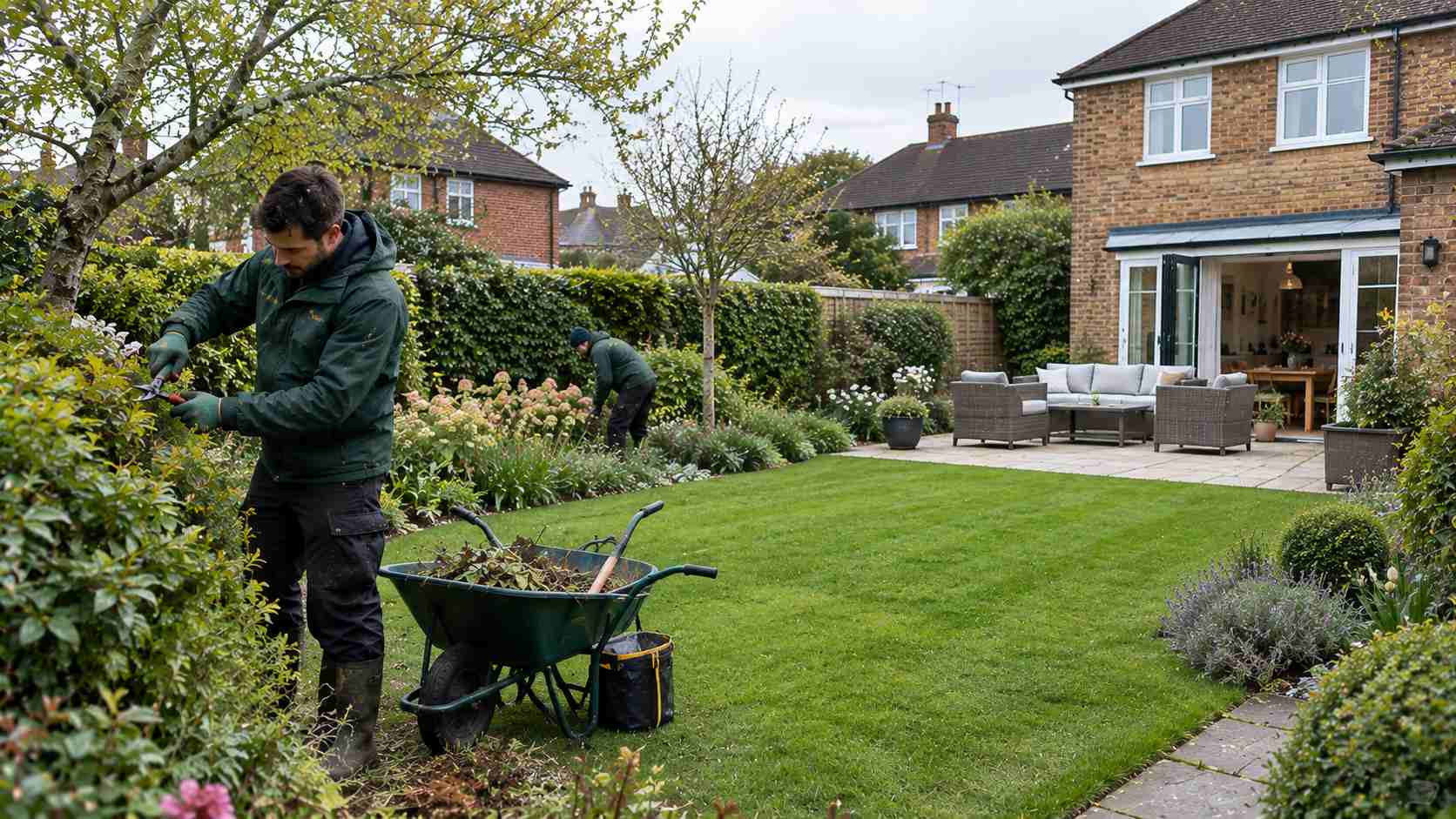
Wimbledon is one of south west London's most sought-after residential areas, and its gardens reflect that. Grand Victorian and Edwardian villas around the Common and Wimbledon Village, family homes on the leafy roads running down the hill, and quieter suburban streets toward the edges of SW19 and SW20 all bring different opportunities and different challenges. A landscaping scheme that suits a large villa garden near the Common won't necessarily suit a compact family plot a mile away, so it's worth understanding what makes Wimbledon gardens distinctive before deciding what to build. Here are the design ideas, materials and planting choices that tend to work best across the area.
What makes Wimbledon gardens distinctive
Much of Wimbledon's housing stock is period property, substantial Victorian and Edwardian houses set in generous plots, alongside inter-war family homes and more recent infill. That mix means gardens here range from large, established spaces with mature trees and long lawns to more modest rear gardens where every square metre needs to work hard. The area's reputation for well-kept gardens is also part of the local character, and expectations around finish and quality tend to be high.
It's also an area where the garden is often judged alongside the house. A period property with a tired, poorly planned garden feels unfinished, while a considered landscaping scheme that respects the architecture can add real character and kerb appeal, something we cover more broadly in our guide to whether landscaping adds value to your home.
Understanding the ground: clay, drainage and the Common
Ground conditions across Wimbledon vary more than the postcode suggests. Much of the surrounding residential ground is heavier London clay, which holds moisture, drains slowly and can compact easily, while the land closer to Wimbledon Common has lighter, sandier pockets that drain more freely. That difference affects almost every landscaping decision, from which plants will thrive to how a patio or lawn needs to be drained.
On clay, improving soil structure with organic matter, designing falls and drainage into hard surfaces from the outset, and choosing planting that tolerates heavier ground all make a noticeable difference. On the sandier ground, moisture retention becomes the priority, mulching and choosing drought-tolerant planting keeps borders looking good through dry summers. Assessing the specific plot rather than assuming one approach fits the whole area is always the right starting point.
Design ideas for period villa gardens
- ›Formal structure with soft planting: clipped evergreen hedging, clean lawn edges and a defined layout suit period architecture, softened with generous perennial borders.
- ›Natural stone or high-quality porcelain paving that complements the age and materials of the house rather than fighting it.
- ›Mature specimen trees and established planting treated as assets to design around, not obstacles to clear.
- ›A clear sense of journey through the garden, with paths, steps and focal points drawing the eye from the house to the far end of the plot.
- ›Considered lighting that shows off the house and planting after dark without flooding the space.
Making the most of sloping plots
Wimbledon's hilly topography means many gardens, particularly around Wimbledon Hill and the roads running off it, sit on a noticeable slope. A slope is an opportunity rather than a problem, terracing, retaining walls, steps and split-level seating areas can turn awkward ground into distinctive, usable space with real character.
The key is designing the levels, drainage and structural elements together rather than fixing problems one at a time, and our guide to landscaping a sloping garden covers retaining walls, steps and drainage in detail. Where a slope is too steep for a lawn or patio, a raised or split-level deck from our Decking service can create a flat, usable platform without moving large volumes of soil.
Patios, terraces and outdoor entertaining
Wimbledon households tend to use their gardens to entertain, and a well-built terrace is often the centrepiece of a scheme. The choice of material shapes both the look and the maintenance, natural stone gives an authentic, traditional feel that suits period homes, while porcelain offers a crisp finish and very low maintenance, and our comparison of porcelain vs natural stone paving helps weigh the two.
Whichever material you choose, the base and drainage underneath decide how long it lasts, particularly on Wimbledon's heavier clay ground. Our Patio & Paving service builds terraces on properly excavated, compacted sub-bases with drainage designed in, so surfaces stay flat and free of standing water.
Lawns worth being proud of
In a place known worldwide for its lawns, it's fair to say local expectations around grass tend to be high. A good lawn depends far more on preparation and care than on the seed or turf itself, level ground, decent soil, proper drainage and regular maintenance. On Wimbledon's clay, aeration and soil improvement are usually the difference between a lawn that stays green through winter and one that turns to mud.
Our Lawn Installation & Turfing service handles the full process, from ground preparation through to laying, and autumn is an ideal time for it, as we explain in our guide to why autumn is the best time to plant.
Garden rooms, studios and home offices
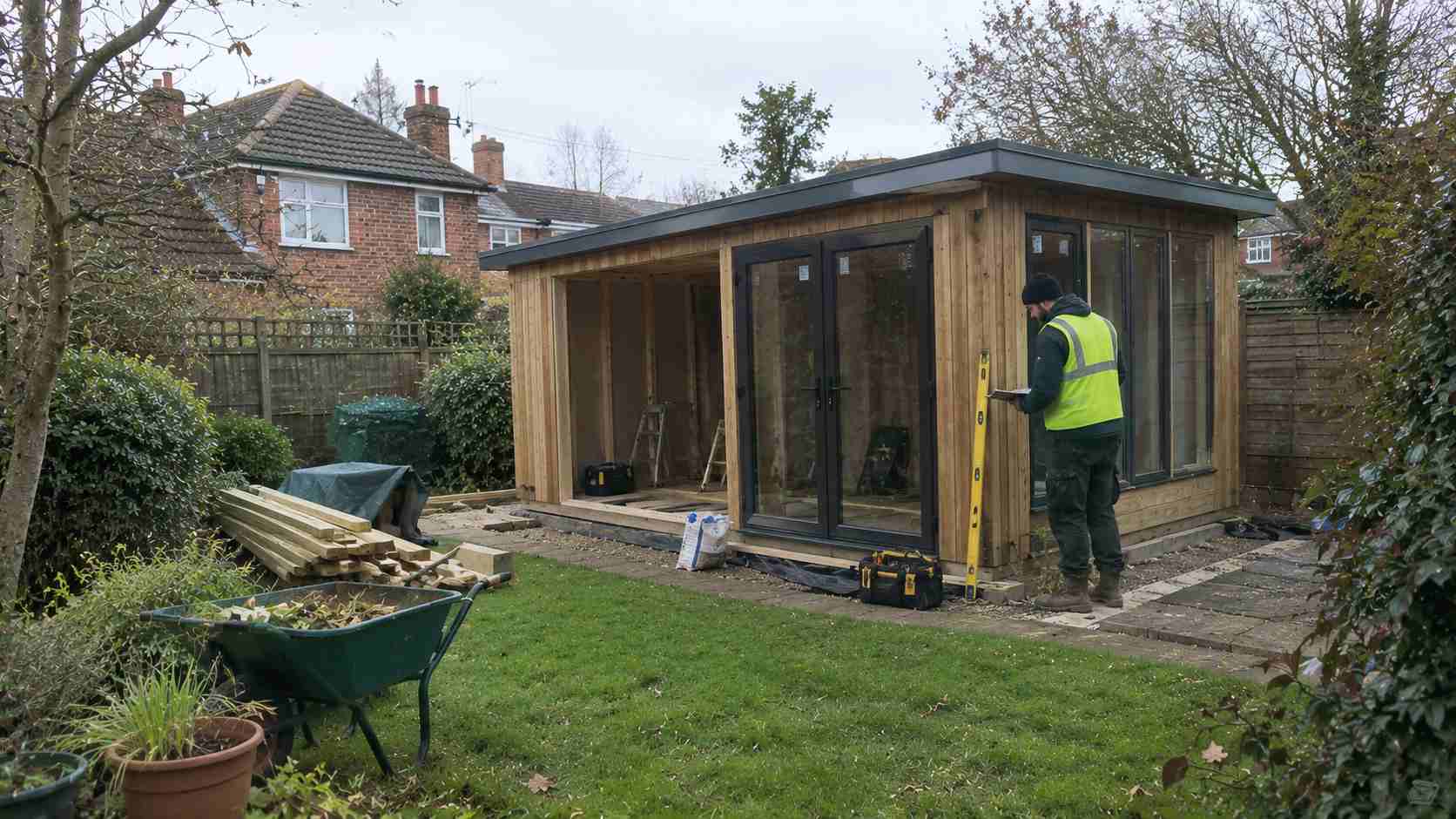
Larger Wimbledon plots have room for a well-designed garden room, and demand for home offices, studios and gyms has grown steadily among local families and professionals. A garden room is best planned alongside the rest of the landscaping, so access, levels, cabling and planting all work together rather than the building being squeezed in afterward.
Our garden room ideas guide covers how to plan each use properly, and our Garden Rooms & Sheds service can design and build one to suit your plot. It's worth checking current planning and building regulations requirements for any new outbuilding before committing to a design, particularly in more sensitive areas.
Boundaries, privacy and planning considerations
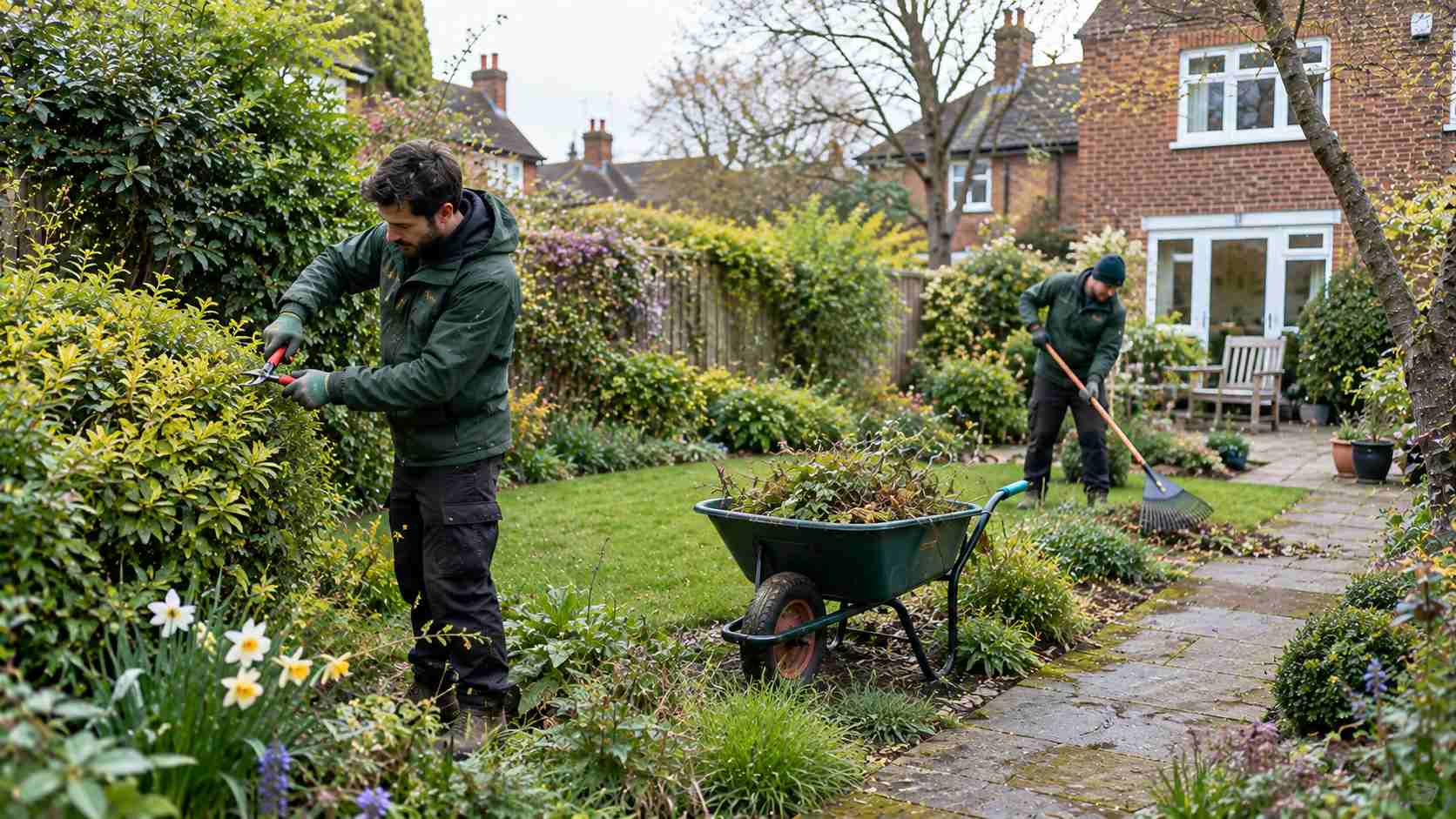
Many Wimbledon roads sit within conservation areas, and mature trees are often protected, so it's worth checking whether consent is needed before significant tree work, boundary changes or new structures, requirements vary by street and by tree. Where privacy matters, a mix of quality fencing and mature hedging usually gives the best result, screening without creating a hard, closed-in feel.
Our Fencing & Screens and Hedges, Pruning & Planting services can plan boundaries that give privacy while suiting the character of the street, and hedging in particular softens hard landscaping and adds year-round structure.
Planting palettes that suit SW19
Planting in Wimbledon tends to work best when it matches the ground and the architecture. For heavier clay, robust perennials, shrubs and roses suit period gardens beautifully, structured with evergreen hedging and topiary for year-round shape. On lighter, sandier ground, drought-tolerant planting such as lavender, salvias and ornamental grasses copes well and needs less watering.
Whatever the palette, building in winter structure and seasonal interest keeps the garden looking good outside summer, something explored in our guide to winter interest in the garden, and layering in some wildlife-friendly planting adds life without compromising a smart finish.
Planning your Wimbledon landscaping project
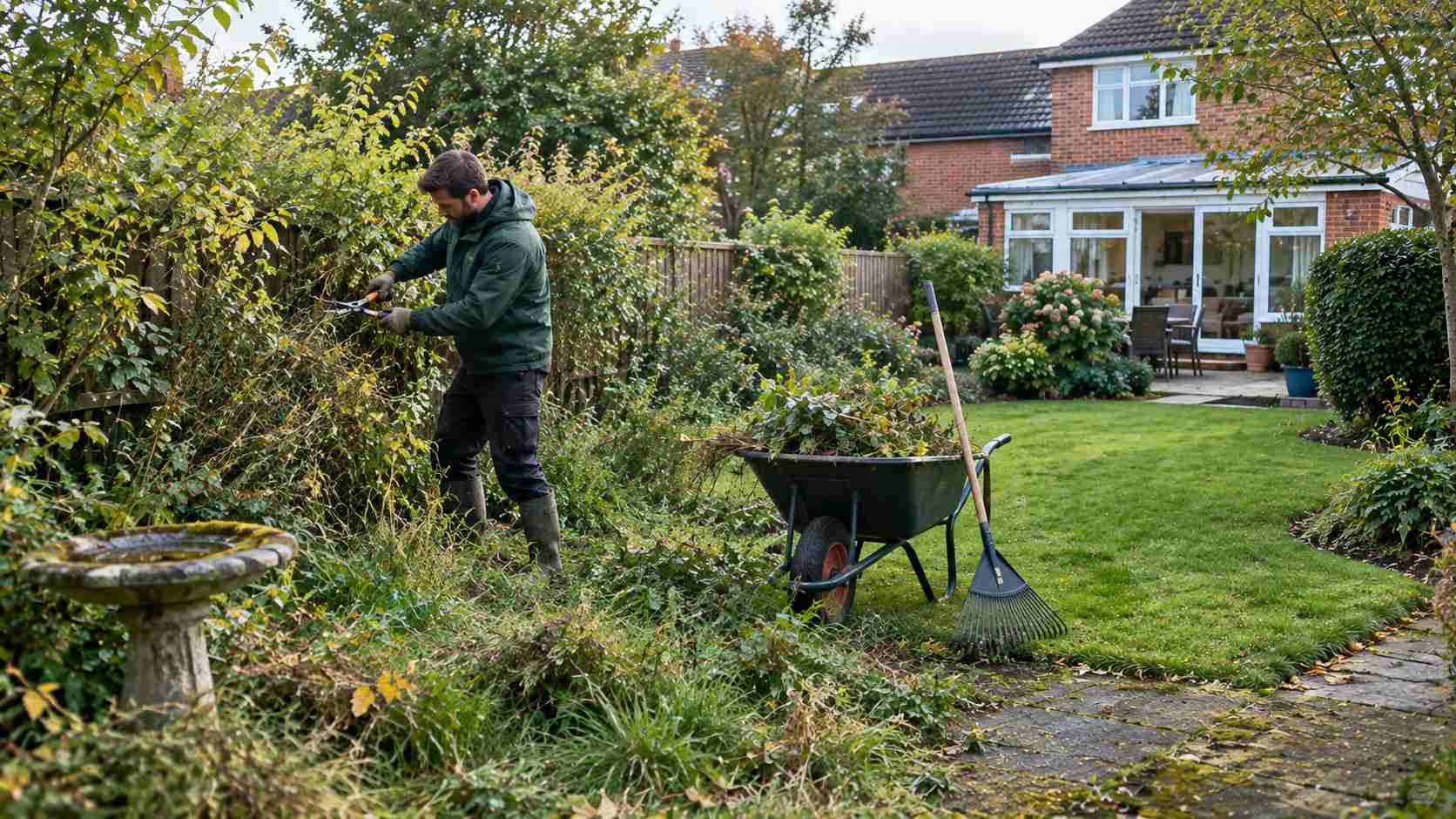
A good landscaping project starts with a proper site visit, looking at levels, drainage, light, existing planting and how you actually want to use the space, rather than applying a generic design. If you're at the budgeting stage, our landscaping cost guide explains what drives the price of a project and how to compare quotes fairly.
Our Garden Design & Landscaping service covers the whole process for gardens across Wimbledon and the neighbouring areas we work in, including Wandsworth, Richmond and New Malden, from the first design conversation through to build, planting and ongoing care.
Frequently asked questions
Much of Wimbledon sits on heavier London clay, which holds moisture and drains slowly, while ground closer to the Common has lighter, sandier pockets that drain more freely. It's worth assessing your specific plot before choosing planting or designing drainage.