Lawns · 9 min read
How to Fix a Patchy, Bare or Worn Lawn
By House of Horticulturists · 2 July 2026 · Updated 1 October 2026
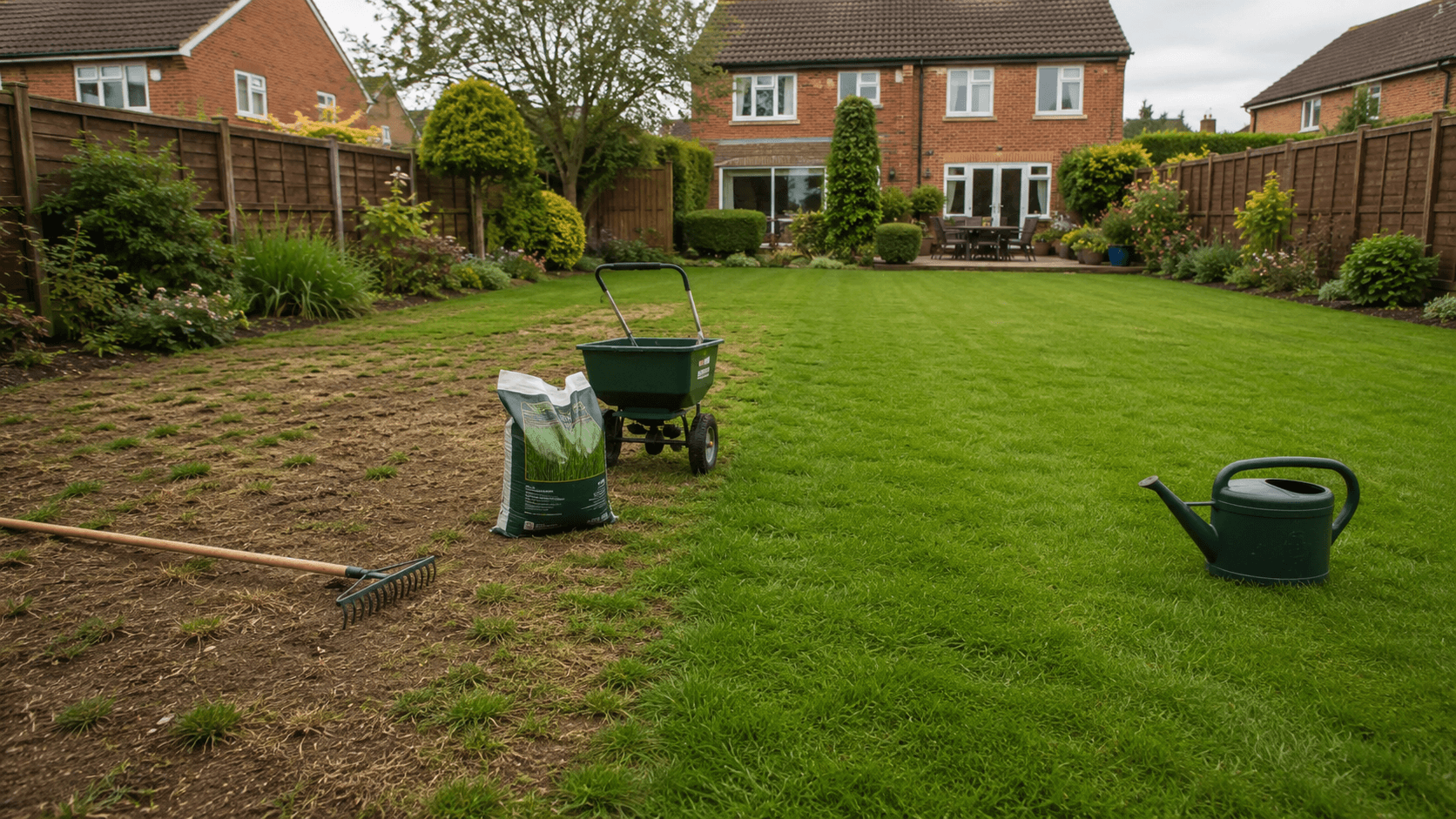
A lawn with bare patches, thin areas or worn strips is one of the most common garden complaints, and also one of the most fixable, provided the actual cause gets addressed rather than just the symptom. Scattering grass seed over a bare patch without figuring out why it went bare in the first place often means watching the same patch fail again within a season. Here's how to properly diagnose a patchy lawn and bring it back for good.
Work out why the lawn is patchy before fixing it
Patchy grass has a cause, and that cause determines the right fix. Common culprits include shade from trees or buildings, compacted soil from regular foot traffic, poor or thin topsoil, dog urine burning specific spots, pest damage from leatherjackets or chafer grubs feeding on roots, fungal disease, and simple wear from a well-used path across the lawn.
It's worth examining the pattern, patches that follow a clear route are almost certainly wear-related, patches under trees are shade-related, and patches with an unusually green, lush ring around a dead centre often point to dog urine. Getting this diagnosis right before doing anything else saves repeating the same repair every year.
Common causes and what they mean for repair
- ›Shade: grass thins and struggles under trees or close to buildings, needing a shade-tolerant seed mix rather than standard lawn seed.
- ›Compaction: heavily used areas become hard and waterlogged, needing aeration before any seed or turf will take properly.
- ›Poor soil: thin, nutrient-poor or heavily compacted topsoil needs improving with compost before new grass stands a real chance.
- ›Pet damage: dog urine patches need watering to dilute the salts and sometimes removing the worst-affected soil before reseeding.
- ›Pests: leatherjackets and chafer grubs feed on roots just below the surface, causing patches that lift away easily, like a loose carpet, when pulled.
- ›Wear: a well-trodden path across the lawn needs either reinforcing with tougher grass or accepting a path and designing around it with paving or stepping stones.
Preparing a patch for repair
Whatever the cause, proper preparation makes the biggest difference to whether a repair actually takes. Remove dead grass, moss and debris from the affected area, then loosen the top few centimetres of soil with a rake or fork, breaking up any compaction so new roots can establish. If the existing soil is poor, working in a layer of good quality topsoil or compost gives new grass considerably better conditions to grow in.
Firm the area lightly so it isn't left loose and uneven, then rake it to a fine, level finish before seeding or turfing, a rough or lumpy surface leads to an uneven repair that's obvious once the grass grows through.
Overseeding vs patch turfing
Grass seed is the more affordable option and blends well into an existing lawn once established, but it takes several weeks to germinate and fill in, and needs consistent watering and protection from birds and foot traffic while it establishes. It's the better choice for smaller patches, larger areas where cost matters, or shaded spots where a specific shade-tolerant seed mix is needed.
Patch turfing, cutting a piece of turf to fit the bare area, gives an almost instant result and is particularly useful for a prominent patch you want fixed quickly, though matching the colour and grass type to the surrounding lawn takes a little care, and it costs more than seed for the equivalent area. For genuinely extensive patchiness across most of the lawn, it's often more efficient to consider full renovation or a complete re-turf rather than repeated patching, something our Lawn Installation & Turfing service can assess properly.
Step-by-step repair with seed
- ›Clear the patch of dead grass, moss and debris, then loosen the soil surface with a rake.
- ›Improve poor soil with a thin layer of topsoil or compost, raking it level.
- ›Scatter grass seed evenly at the rate recommended on the packet, choosing a seed mix suited to the specific cause, shade-tolerant for shaded spots, hard-wearing for traffic areas.
- ›Lightly rake the seed into the surface and firm gently, ensuring good contact between seed and soil.
- ›Water thoroughly and keep consistently moist until germination, typically 7 to 21 days depending on grass type and conditions.
- ›Keep foot traffic off the area until the new grass is established and has been mown at least once or twice.
Protecting new grass while it establishes
Newly seeded or turfed patches are vulnerable, birds can eat seed before it germinates, and foot traffic or pets can disturb new roots before they've taken hold. Netting or a temporary barrier over a patch protects it through the critical first few weeks, and keeping the area consistently watered, particularly during any dry spell, matters more to success than almost any other single factor.
Once established, the first mow should wait until the new grass has reached a reasonable height and has rooted in firmly, mowing too early can pull new grass straight out rather than cutting it cleanly.
Fixing the underlying cause so it doesn't come back
Repairing a patch without addressing why it happened usually means doing the same job again next year. Shaded patches need either accepting a thinner lawn in that spot, choosing persistently shade-tolerant seed, or considering whether grass is really the right choice there at all. Compacted, heavily used areas benefit from regular aeration as part of ongoing lawn care, something covered in more detail in our guide to why moss takes over a lawn, since compaction and moss often go hand in hand.
Worn paths across a lawn are sometimes better solved with design than repeated reseeding, a line of stepping stones or a proper path along a well-used route stops the wear pattern reappearing indefinitely. And for lawns that struggle every summer regardless of patching, our guide to keeping your lawn green through a dry summer covers watering and care through the driest months.
The best time of year to fix a patchy lawn
Early autumn is generally the best window for lawn repair, warm soil and reliable rainfall give seed or new turf the best possible conditions to establish before winter, similar to the reasoning covered in our guide to why autumn is the best time to plant. Spring is the next best option, though repairs made then often need more careful watering through the following summer as temperatures rise.
Repairing during a hot, dry summer or deep winter is considerably harder, seed struggles to germinate in either extreme, and it's usually better to wait for the next suitable window than force a repair in poor conditions.
When patching isn't enough
If more than a third or so of a lawn is patchy, worn or thin, repeated patch repairs often cost more time and money over a couple of seasons than a proper renovation or full re-turf would have in one go. A lawn in this state usually has an underlying issue affecting the whole area, poor soil, significant compaction, or simply an old, tired lawn past its best, rather than a few isolated problems worth patching individually.
Our Lawn Installation & Turfing service can assess whether targeted repair or a full renovation makes more sense for your specific lawn, and for ongoing care that keeps a repaired lawn looking good, our Garden Maintenance plans can build regular lawn care into a wider schedule. This applies to lawns of every size and setting, from compact garden lawns in Weybridge to larger, more established lawns around Kingston upon Thames.
Frequently asked questions
This usually means the underlying cause hasn't been fixed, commonly shade, compaction from foot traffic, or poor soil. Repairing the patch without addressing the cause typically means the same area fails again within a season or two.